










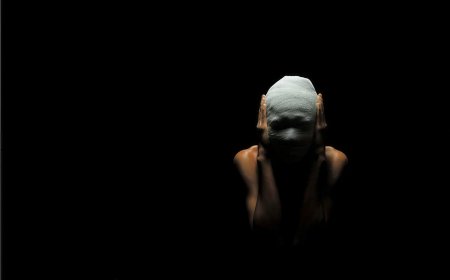















































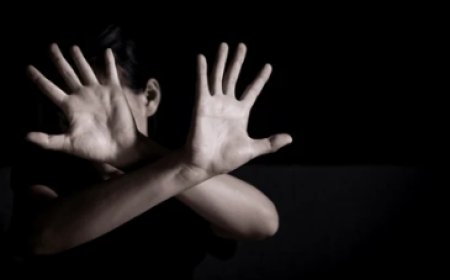
Perhaps we have placed shame in the wrong place. We shamed the body instead of violence. We questioned the survivor instead of the aggressor. We taught embarrassment where we should have taught consent. And we said: Hush. We do not speak of these things.
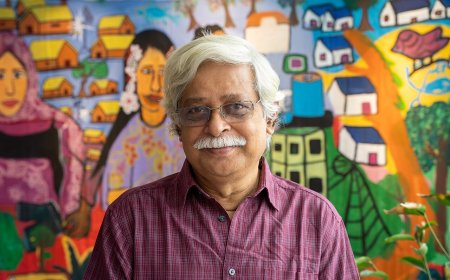
For decades, Bangladesh placed some of its heaviest moral burdens on Muhammed Zafar Iqbal's shoulders. When students needed someone, we called him. When science needed a champion, we called him. When education failed, we expected him to protest.

Behind every woman labelled "too harsh" may be years of swallowed humiliation. Years of carefully choosing politeness over dignity. Years of emotional labour performed for everyone except herself.
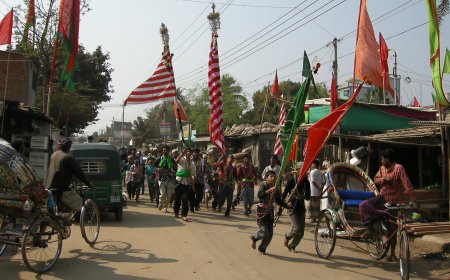
For those unfamiliar with the cultural tapestry of Dhaka, your obligation as a paiki is to run as a spiritual messenger from one local shrine to another during the 7th to 10th day of Moharram -- entirely barefoot, enduring the burning asphalt and the direct heat.
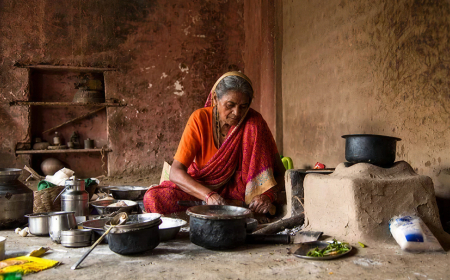
History’s most captivating chapters are often lived in tranquil drawing rooms or in the kitchen of minorities who refuse to blend in completely. When we examine the 1947 Partition, most stories are about violent fractures and Hindus in thousands fleeing to India due to communal riots.
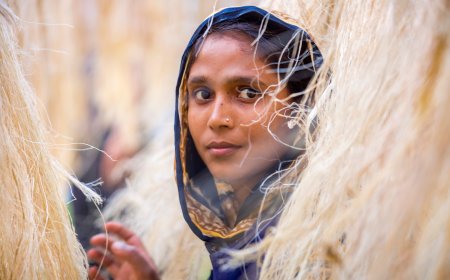
When the language of subalternity becomes a resource through which those closest to power construct their own political identities, we are compelled to ask: Are we truly listening to the voices of the marginalized, or are we witnessing the moral prestige of marginality being transformed into yet another form of political capital?
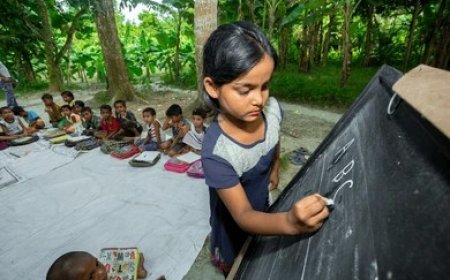
The products of English Medium schools are proficient in neither Bangla nor English and the situation is not too dissimilar in Bangla Medium schools.
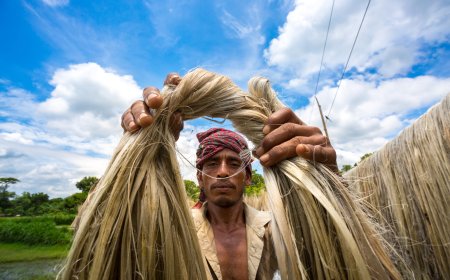
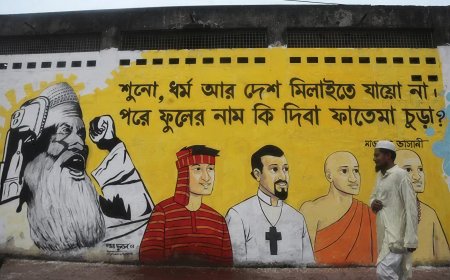
Ultimately, the challenge is not to choose between being Bengali and being Muslim. The real challenge is to recognize that both identities can co-exist within a broader vision of a democratic, pluralistic, and self-confident society.
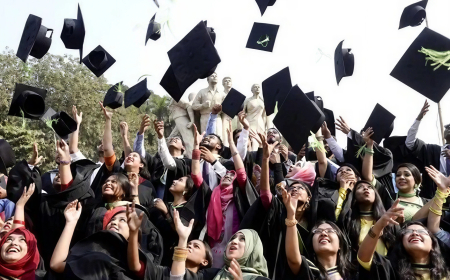
There is a real gap between what universities teach, how students learn, and what employers increasingly need.

The systems that govern the world are powerful, but they are not immutable. They derive their strength, in part, from acceptance, from the belief that they cannot be altered.

A society in which the “honour of the huzur” matters more than a child’s cry has not yet learned justice. A state in which poor families are afraid to seek justice has not yet learned equal protection.

In a world driven by technology and innovation, the value of human intellect far exceeds that of raw materials. Countries that fail to recognize this shift risk being trapped in cycles of dependency and underdevelopment.
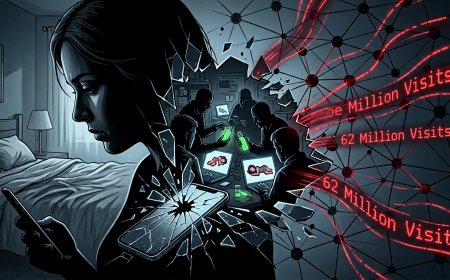
Petitions are circulating now to remove these sites from search engines. Outrage is building, slowly. But it is not enough. But the real shift needs to start within us, in these awkward conversations. Stop correcting the numbers, stop making excuses and start confronting what actually happened.
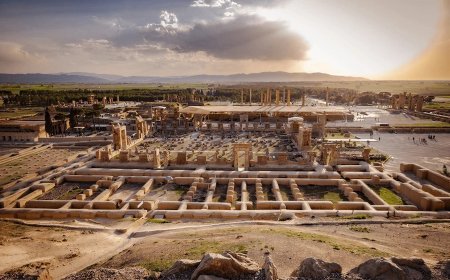
The contrast between our technological ambitions and our moral shortcomings raises an uncomfortable possibility. What if our progress is fundamentally unbalanced? What if we have mistaken the expansion of capability for the advancement of civilization?
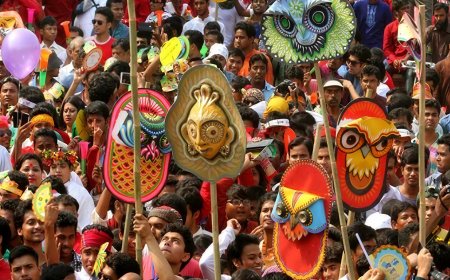
If belief is so fragile that papier-mâché masks and symbolic animals can threaten it, the problem lies not with the procession, but with the insecurity of that belief.