




































































South Asia's Strategic Moment
History has placed South Asia and the Indian Ocean Region at the centre of 21st-century global transformation. The region's future lies not in choosing between competing powers but in pursuing inclusive modernization, strengthening regional partnerships and leveraging the unique strengths of individual nations
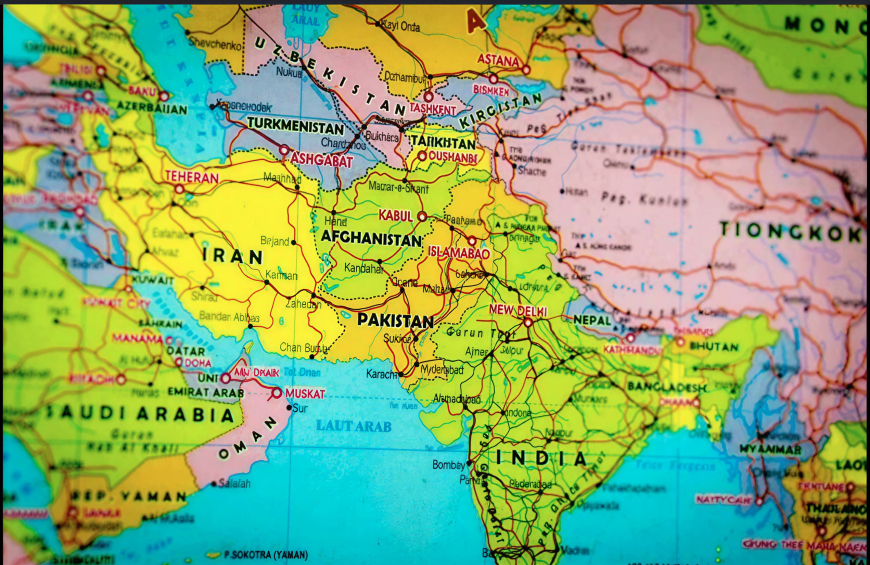
South Asia and the Indian Ocean Region (IOR) have emerged as one of the world's most consequential strategic theatres. Once regarded separately as a continental security complex and a maritime trading space, they have become increasingly intertwined.
Today, developments in South Asia influence the wider Indo-Pacific, the Middle East and beyond, while global geopolitical shifts directly affect the region's trade, energy security, supply chains and strategic stability. The defining feature of this transformation is not simply the rise of great-power competition but the convergence of geopolitics, geoeconomics and technological innovation.
Infrastructure, digital connectivity, maritime logistics and artificial intelligence have become strategic assets. Economic resilience and national security are now closely linked to a country's ability to innovate, diversify supply chains and build resilient institutions.
Against this backdrop, South Asian countries face an important strategic choice. Rather than becoming arenas of geopolitical rivalry, they should seek to transform competition into opportunities for development through pragmatic cooperation, balanced diplomacy and respect for national sovereignty.
One of the most significant contributions to this evolving discourse has come from China. President Xi Jinping's four major global initiatives -- the Belt and Road Initiative (BRI), the Global Development Initiative (GDI), the Global Security Initiative (GSI) and the Global Civilization Initiative (GCI) -- have broadened international discussions on connectivity, development, security and dialogue among civilizations.
Whatever perspectives countries may hold regarding these initiatives, they have undoubtedly become important reference points in debates on global governance and regional cooperation. Underlying these discussions is a broader lesson: there is no universal blueprint for development.
Every nation possesses its own history, institutions, culture and socio-economic realities, and therefore has the sovereign right to pursue a development pathway suited to its national circumstances. Sustainable modernization depends on leveraging a country's own comparative strengths while remaining open to international cooperation, technology and investment.
This principle resonates strongly across South Asia and the Indian Ocean Region, where countries increasingly seek economic transformation without compromising strategic autonomy or cultural identity. China's own development experience offers useful lessons in long-term planning, infrastructure development, industrial upgrading and technological innovation.
Equally noteworthy is the evolution of regional economic cooperation through initiatives such as the China -- ASEAN Free Trade Area, demonstrating how sustained connectivity and institutional continuity can stimulate economic growth and regional integration.
While no country's experience can be replicated wholesale, such examples offer valuable insights for developing nations pursuing modernization on their own terms. Connectivity has consequently become one of the principal drivers of transformation in South Asia.
Investments in ports, highways, railways, digital infrastructure and energy corridors are reshaping the region's economic geography. India's Kaladan Multi-Modal Transit Transport Project and proposals for transport corridors linking China's Yunnan Province with Myanmar and Bangladesh illustrate the growing importance of cross-border connectivity.
Rather than viewing these initiatives solely through the lens of strategic competition, regional countries would benefit from treating them as complementary efforts that diversify trade routes, strengthen supply chains and promote sustainable development, provided they remain transparent, financially viable and respectful of national sovereignty.
Bangladesh occupies a particularly advantageous position within this changing regional landscape. Located at the crossroads of South Asia, Southeast Asia and the Bay of Bengal, it has the potential to serve as a bridge between continental and maritime Asia.
This strategic location provides opportunities to strengthen transport networks, ports, logistics, digital infrastructure and energy cooperation, thereby enhancing regional connectivity and economic resilience.
Bangladesh is also well placed to benefit from China's development initiatives. Cooperation in infrastructure development, industrial investment, renewable energy, digital transformation, technology transfer, skills development and innovation can complement Bangladesh's national development priorities.
Pursued on mutually agreed terms and in accordance with Bangladesh's national interests, such cooperation can accelerate the country's transition towards a knowledge-based and innovation-driven economy while expanding access to regional and global markets.
At the same time, Bangladesh's foreign policy has consistently emphasised strategic balance. Rather than viewing major-power competition as a zero-sum contest, Dhaka has sought constructive partnerships with all countries while preserving its sovereignty, independent decision-making and strategic autonomy.
This balanced approach enables Bangladesh to diversify economic opportunities, strengthen national resilience and contribute positively to regional peace and stability.
The Bay of Bengal exemplifies both the opportunities and responsibilities facing the region.
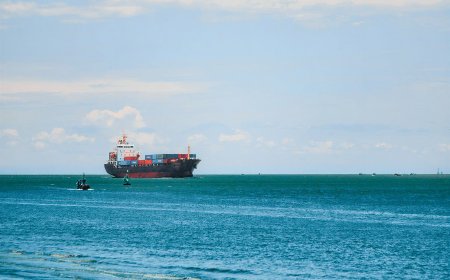
Beyond serving as a major maritime corridor, it is rapidly emerging as a centre for the blue economy, offshore energy, fisheries, marine scientific research, digital infrastructure and regional logistics. As economic activity expands, cooperation in maritime safety, environmental protection, sustainable resource management and freedom of navigation will become increasingly important.
The Bay of Bengal should evolve not into an arena of strategic rivalry but into a shared maritime space that promotes prosperity, resilience and cooperative security.
Yet development cannot be divorced from security. The Rohingya refugee crisis remains one of the region's most pressing humanitarian challenges. Bangladesh has hosted more than one million forcibly displaced Rohingyas for nearly a decade, bearing enormous economic, social and environmental costs.
A durable solution requires sustained international engagement and the creation of conditions that enable their safe, voluntary, dignified and sustainable repatriation to Myanmar. Ultimately, the future of South Asia and the Indian Ocean Region will not be determined solely by the balance of power among major states.
It will depend on whether regional countries can build trust, strengthen institutions and pursue cooperative development while managing strategic competition responsibly.
Connectivity, technological innovation, climate resilience, maritime cooperation and institutional dialogue should become the pillars of a stable regional order.
History has placed South Asia and the Indian Ocean Region at the centre of 21st century global transformation. The region's future lies not in choosing between competing powers but in pursuing inclusive modernization, strengthening regional partnerships and leveraging the unique strengths of individual nations.
If countries respect each other's sovereignty, expand mutually beneficial cooperation and remain committed to development based on their own national realities, South Asia can transform itself from an arena of competition into a community of shared opportunity, resilience and lasting peace.
The writer is a retired Brigadier General and Research Director at the Osmani Centre for Peace and Security Studies (OCPASS), Bangladesh.