























































The Cup of the World
By the time you read this, Morocco may already have had their rematch, and Norway may have taken England's measure. But something has shifted this June and July that no scoreline can shift back. The giants now walk onto the pitch uncertain.

Every four years this city divides itself between two flags. Rooftop against rooftop, Brazil against Argentina, an ocean of allegiance for two countries most of us will never see.
One of those flags came down early this July. Norway, playing their first World Cup since 1998, beat Brazil 2-1 in the Round of 16 and sent the five-time champions home before the quarterfinals.
Norway is only the loudest of the surprises. Morocco put out the Netherlands on penalties, then took apart Canada 3-0 in Canada, and their reward is France, a rematch of the 2022 semifinal. In 2022 the world called their run a miracle, and Morocco appears to have taken the word personally.
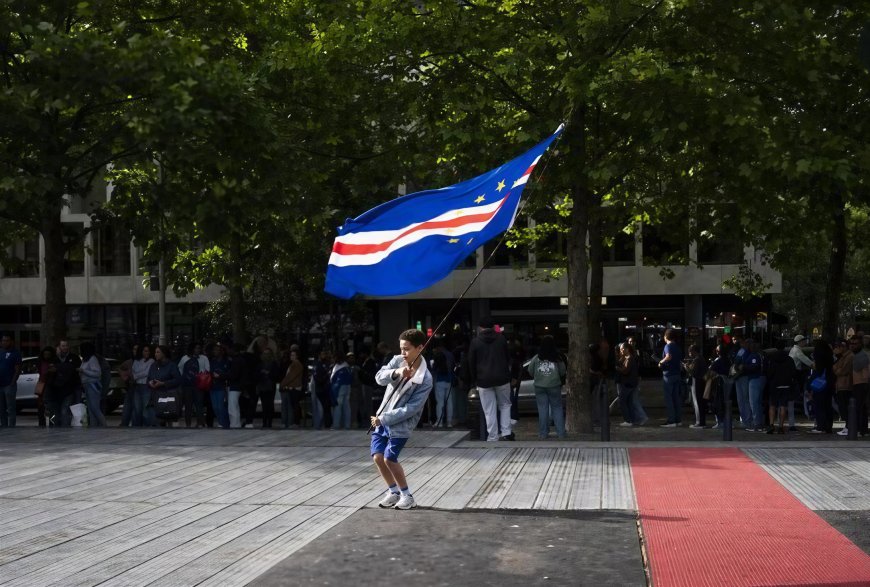
Cape Verde, a scatter of islands with barely half a million people, held Spain to a draw, held Uruguay to a draw, reached the knockouts in their first World Cup and lost to Argentina by the odd goal in five. Egypt then pushed the same champions to another last gasp 3-2 victory.
And the hosts, who had the crowds and the anthems and the shortest flights, are all gone: Canada beaten 3-0, Mexico losing to ten-man England, the United States dismantled 4-1 by Belgium in their own stadium. Ghana held England scoreless.
DR Congo made the knockout rounds. Switzerland, whom nobody ever discusses, quietly outlasted Colombia for a place in the last eight. There are more where these came from.
There is a reason this is happening, and it is not luck. When FIFA stretched the World Cup to 48 teams, most of us braced for two extra weeks of one-sided group games, but instead the newcomers have supplied most of the matches worth losing sleep over.
The Cape Verdean midfielder and the Norwegian striker play in the same European leagues as everyone else now. They watch the same tape, run the same drills, recover in the same ice baths. Coaching has travelled, data has travelled, and so has the confidence of players who face the aristocrats every weekend in club football.
The heavyweights, looked at honestly, are mostly countries that got a hundred-year head start on organized football, and a head start that long slowly hardens into reputation.
Reputation is useful; it wins you respect, favourable draws, and the benefit of a referee's doubt, but then the game kicks off and it does none of the running.
The real gap between the big footballing nations and everyone else was always smaller than the legend suggested, and a month of results has proved the point.
For a country like ours, which watches every World Cup as the most devoted neutral on Earth, this tournament should mean something beyond the usual pleasure of picking a side.
We adopted Brazil and Argentina in the first place because, among other reasons, the game appeared to belong to a handful of countries, and attaching ourselves to one of them was the closest thing to participation we could find.
A World Cup in which Cape Verde can take Argentina to the brink makes a different case. It suggests the game responds to resilience and patience, and that a footballing country is something a place can slowly become with a few decades of honest work.
That is worth thinking about in a nation of 180 million that has spent decades cheering in other people's colours.
By the time you read this, Morocco may already have had their rematch, and Norway may have taken England's measure. Perhaps the old order recovers; old orders usually do, for a while.
But something has shifted this June and July that no scoreline can shift back. The giants now walk onto the pitch uncertain.
Whoever lifts the trophy on July 19, the tournament has already changed hands.