










































































The Seven Deadly Sins Reading List | Greed
Greed does not emerge within humans as a loud antagonist. More often, it begins with a small justification, a quiet compromise, or the belief that one deserves just a little more than everyone else.
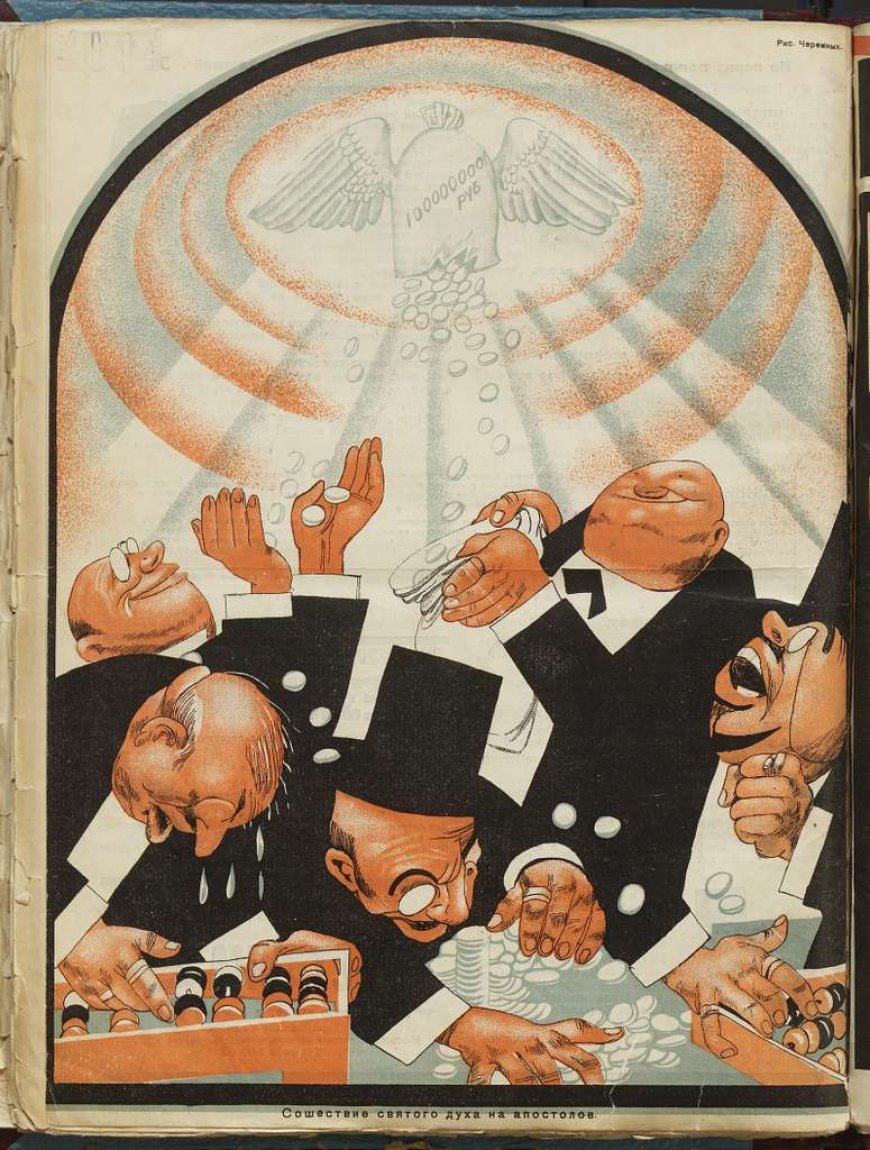
For the second deadly sin of this series we come to greed, and the Greeks had a word for it. Pleonexia, the wanting of more than your share. It was not a moral category for them so much as a question of measurement, of a person who could not tell where enough stopped.
Nobody in these five books sets out to be a bad person. They keep wanting more, even when that desire starts costing other people far more than it costs them.
The Great Gatsby by F. Scott Fitzgerald has been read, taught, and interpreted for nearly a century. In that time, its meaning has come to seem almost self-evident, but perhaps it isn't. Gatsby has no interest in money as money. He wants it because Daisy lives on the other side of it, and by the time he has enough to cross over, the Daisy he wanted has become something he assembled himself out of five years of waiting.
The Pearl by John Steinbeck is barely a hundred pages. Kino dives for pearls in a poor coastal village, finds one large enough to buy his son a doctor and an education, and from that moment onward every person who hears about the pearl arrives with a claim on it. The doctor who turned his son away comes knocking. The buyers, who compete in public and collude in private, offer him a fraction of what it is worth. Steinbeck wrote it as a parable and it reads like one, direct and unadorned, and what stays with you is not Kino's ruin but the ordinariness of everyone else's behaviour. Greed here is not one man's failing, but a whole town’s shared sentiment.
The Goldfinch by Donna Tartt is often introduced not by its plot or its characters, but by the fact that it stretches well beyond 800 pages. Theo Decker walks out of a bombed museum carrying a small Dutch painting of a chained bird, and he spends the next two decades unable to return it, unable to sell it, unable to stop checking that it is still where he left it. Around him Tartt builds a whole economy of people taking more than they should. But the painting is the novel's true subject. What it holds is not monetary value, but the memory of the last afternoon Theo spent with his mother.
Trust by Hernan Diaz gives you four versions of the same story and lets you work out which one is lying. There is a novel about a New York financier and his wife, then the financier's own unfinished autobiography, then the memoir of the woman he hired to write it, and each one dismantles the version before it. Only in the final section do you realize that the man's true pursuit was never wealth itself. It's a revelation worthy of a detective novel, which is fitting for a book that won the 2023 Pulitzer Prize.
In The Fortune Men, Nadifa Mohamed tells the story of Mahmood Mattan, a Somali sailor in Cardiff who was hanged in 1952 for the murder of a shopkeeper he did not kill. She reconstructs the weeks leading up to his trial through the testimonies, silences, and small compromises of ordinary people, each nudged by the promise of reward money that was never substantial to begin with. Mahmood himself is wonderful company on the page, vain about his clothes, sure of his own innocence, certain the British courts will see sense. That certainty is what makes the last third of the novel almost impossible to keep reading.
Five books, and not one of them ends with the neat moral reckoning we might expect. Gatsby dies because of someone else's carelessness. Kino throws the pearl back into the sea with nothing to show for all he has lost. Theo lives with the painting for years, only to discover that it cannot save him. The financier hoards a fortune only to find that the one thing money cannot buy him is the last word on his own story. Mahmood Mattan is hanged, while those who traded his life for reward money return to their ordinary lives.
What these writers understand is that greed does not emerge within humans as a loud antagonist. More often, it begins with a small justification, a quiet compromise, or the belief that one deserves just a little more than everyone else. And in the end, it is usually someone else who bears the cost.
Next sin: Wrath.
Azeema Anhar is an English Language Instructor at ULAB and member of the editorial team at the weekly Counterpoint.