










































































Women and Girls Must Still Fight the Beauty Wars
Mental health is significantly affected by the media's ideas given towards women's beauty, especially for younger girls. Research shows that exposure of media images of unachievable beauty standards can lead to body dissatisfaction, low self-esteem and eating disorders.

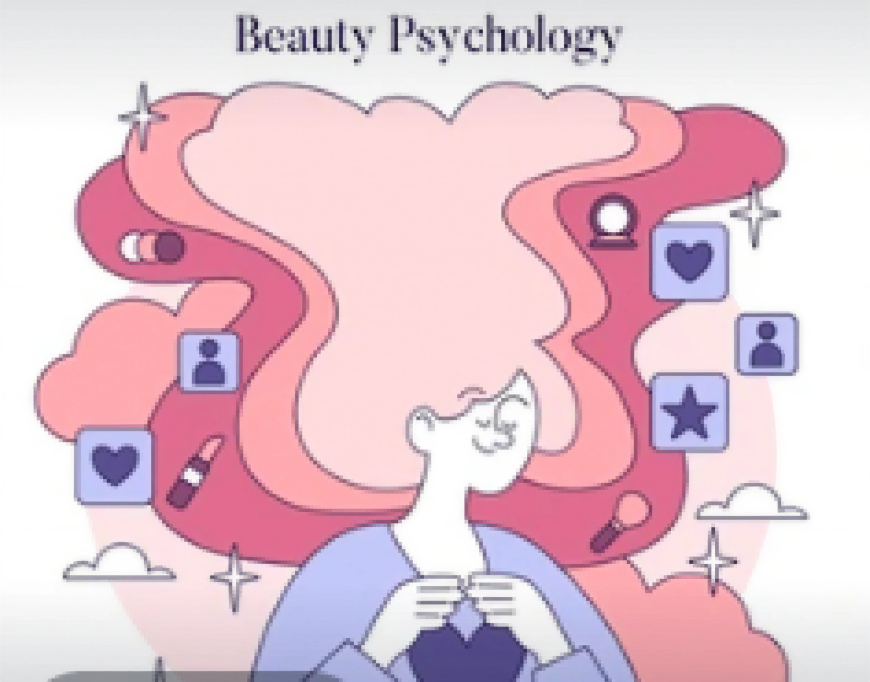
The media’s influence has an impact on how society views beauty. Social media and traditional beauty standards also promote unrealistic expectations of beauty. These ideals usually prioritize a high value on perfect skin, good physique and adapting western traits, which results in an unrealistic notion of beauty.
Media driven beauty has harmful effects on people, especially on women. Which causes poor self-esteem, mental health issues, body dissatisfaction and disorders such as eating disorders.
This is increasing because of the rising social platforms like TikTok, Instagram. As users frequently compare themselves to digitally adjusted photos, which is making them feel inferior.
Advertisements play a significant role in the growth of these perceptions of modifying beauty standards. They are displaying models and celebrities who represent impossible beauty ideas.Additionally, media define individuals of color by arguing for Western beauty standards, which prioritize paler skin and specific facial features over different appearances.
However these negative norms are facing challenges by modern movements like body positivity and people of different races.
In the present day, digital media from television,social media, tv shows, advertisements and magazines have a significant impact on how society views beauty. This focuses on specific body types, skin tones and features. The media’s portrayal of beauty has given birth to what are commonly called “ unrealistic beauty standards."
It has been shown these norms have an effect on people, particularly women, leading to problems with body image, self esteem and mental health.
The media upholds unrealistic ideals of beauty that negatively affect people's self-esteem and promote social norms that value some features more than others. These norms which are unhealthy are deeply rooted in our culture and constantly reinforced by advertisements, visual contents with celebrity approval.
The way the media has shown beauty has changed throughout time but its impact on body image has been constant.Different body forms have historically been celebrated in different times, but as mass media grew, a more homogenous and limited definition of beauty surfaced.
The rise of models like Twiggy in the 1960s shows how body ideals change throughout time towards a slimmer physique. The development of the supermodel era in the 1990’s led by Kate Moss established the concept of the “thin ideal” which still shapes media representations to this day.
The rise of social media has intensified the influence of the media’s impact on body image. Social media allows users to share and consume content all the time, which enforces a culture of competition.
Social media platforms like snapchat, instagram and tiktok encourage users to share selfies, videos, which are often filtered or edited to improve physical appearance. “Throughout past research, self esteem has been linked to social media activity, but fewer studies have examined its relationship to selfie posting. The research that does exist on this topic results are mixed in terms of the impact of self esteem on selfie behaviour.
The beauty industry with billions of dollars promoting products that claim to help people seem slimmer, younger and more attractive.
Advertisements show products like makeup, skincare products , diet pills where they choose models who already have perfect skin or perfect body. They idealized the perfect version of beauty.
Certain advertisements create the idea that someone's worth is dependent on their ability to meet certain criteria and that beauty is something that can be purchased. Just like the Unilever product, fair and lovely.
This specific product is problematic as it is showing the colourism concept which is fair skin looks beautiful. In this advertisement it is shown that before using fair and lovely the girl feels unhappy with her skin tone, after using the product she becomes happy and confident.
People are obsessed with skin lightening cream. After the protest Unilever announced that they will drop the word “Fair” from that cream.
Mental health is significantly affected by the media's ideas given towards women's beauty, especially for younger girls. Research shows that exposure of media images of unachievable beauty standards can lead to body dissatisfaction, low self-esteem and eating disorders.
About 70% of teenage girls feel unsatisfied with their bodies after seeing images of models and celebrities in the media.
Historically western media has supported Eurocentric beauty ideals emphasizing traits associated with beauty ideals, straight hair, lighter skin and complexion associated with Caucasian individuals. People of colour, especially women are being marginalized as a result.
According to research, 27% of women believe that the media harms their feelings about their looks, and 73% of women believe that advertising still shows an unattainable standard of beauty.
Similarly in the fashion industry the idea of beauty is gradually changing and they are expanding this to plus size models.
Models like Ashley Graham also confirmed this. The famous brand Vogue also encouraged this body positivity movement and they also included plus size women in their magazines.
While there have been positive movements about this as well but it needs more healthier efforts to completely banish these standards.
Syeda Tasnova Nowrin is a student of English and Humanities at Brac University. She can be reached at [email protected].