


























































Sugar in the Daal
History’s most captivating chapters are often lived in tranquil drawing rooms or in the kitchen of minorities who refuse to blend in completely. When we examine the 1947 Partition, most stories are about violent fractures and Hindus in thousands fleeing to India due to communal riots.

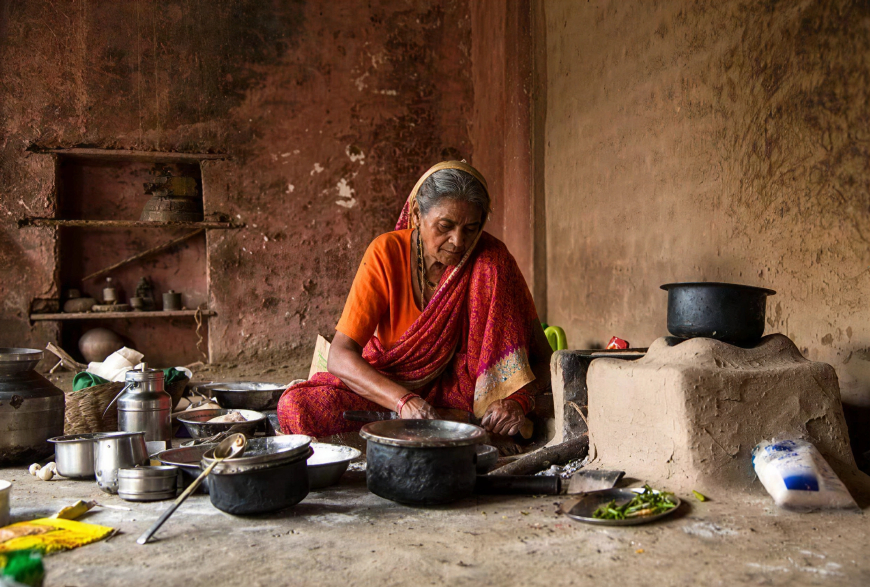
In a quiet kitchen in Dhanmondi, a third-generation Bangladeshi with West Bengali ancestral roots is cooking one of the cuisine’s most comforting staples: Moshur daal. Columns of steam rising as the pot of red lentil begins to simmer with a sharp scent of cumin and turmeric into the humid Dhaka air; carrying a sensory fragment of a homeland left behind.
For the finishing touch she reaches for the worn glass jar and drops a deliberate, slow mound of white sugar directly into the boiling daal; a gesture executed without a second thought.
Sugar in the daal is a deeply controversial ingredient in Bangladesh but it is a signature of her West Bengali heritage. The sugar is not meant to make a dish sweet; it is used as a culinary balancer.
The sweet daal survived for four generations behind closed doors as a quiet private archive of ancestral heritage.
In an historical East Bengal ecosystem they are not used to having their daal tasting sweet, for them it is a culinary anomaly. They expect traditional fiery thin consistency daal -- sharp with green chilies and seared in zesty mustard oil and burnt garlic.
Her 80-something grandmother (the first generation West Bengali migrant who actually made the move) walks in as the white crystals start to dissolve. She doesn’t say a word; she catches the distinct scent, a familiar essence of a home she left behind in Medinipur decades ago before crossing the border to emigrate.
She looks at her granddaughter and gently gives a nod of approval. The nod signals that despite the second generation’s attempt to erase their origins to fit in; the third generation is keeping the culinary archive intact by reclaiming it.
Her nod of approval bridges an entire century of displacement.
In the context of 1947 Partition, the grandmother’s generation legally and sociologically became the first generation along with their young children who came with them.
The matriarch brought the culinary archive with her and fiercely remained loyal to the cuisine of the lost land. The fragrant aroma in her granddaughter’s kitchen bridges the gap between her ancestral home and Dhaka.
Though the physical connection to West Bengal has become old memories, the idea remains a symbol of prestige and continuing with certain culinary family recipes.
To reject sugar in the daal would mean dismantling the entire culinary history of her Medinipur ancestry. Through this nod, the grandmother validates her granddaughter’s security within her Bangladeshi identity to unapologetically cook their history for her ‘Bangal’ (a colloquial term for local East Bengalis) friends when they come to dinner.
To understand the complex layers of modern Dhaka, one must look at why a fully assimilated third generation Bangladeshi is quietly adding sugar to her daal, a scared kitchen ritual, inherited from a long line of mothers.
The politics of palate and the sweet subversion on the Bangladeshi table see third-generation descendants of West Bengali migrants navigating their identity: They are completely Bangladeshi, yet they still hold onto the subtle, domestic remnants of the past.
There was pressure on them to flatten their unique heritage to appear ‘authentically Bangladeshi.’ They now are hundred percent Bangladeshis’ untouched by the accents of Opar Bangla and yet their comfort food carries the DNA of the past.
Most likely carrying a Bangladeshi passport they visit West Bengal once a year, or perhaps they have never set foot there at all.
A family kitchen became a sanctuary for the émigrés behind closed doors against public pressure to assimilate. The culinary friction centered on a single choice: Sweet daal versus fiery daal. By moving eastward, for the West Bengali Muslims keeping the daal sweet was a way to maintain a sense of home when their physical land was lost.
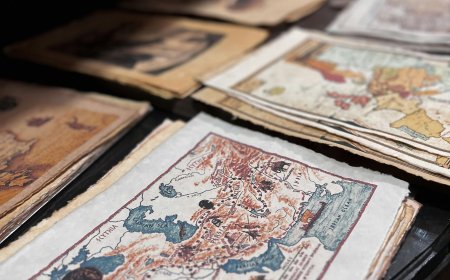
In an attempt to separate Hindu Muslim majorities the hastily drawn so-called Radcliffe Line in 1947 severed Bengal. It also divided two Bengals when it came to sweet daal but ultimately failed to conquer the kitchen.
The survival of sugar in the daal is a testament that total cultural assimilation is not a prerequisite for citizenship and loyalty to state.
History’s most captivating chapters are often lived in tranquil drawing rooms or in the kitchen of minorities who refuse to blend in completely. When we examine the 1947 Partition, most stories are about violent fractures and Hindus in thousands fleeing to India due to communal riots.
According to historical records the reverse migration of an estimated 500, 000 early Bengali Muslim refugees who packed their belongings in trunks and crossed the border to East Pakistan from West Bengal; their stories were often overlooked.
Though they shared the Islamic faith and Bengali language, they held onto the perception of belonging to the true Bhadralok Renaissance.
From the onset a distinct class dynamic emerged as the incoming West Bengalis carried the cultural baggage. For these families relocating to a place that was ‘culturally inferior’ was very ironic. They sometimes looked down on the vibrant culture of East Bengal with patronizing pity.
Their ‘elitism’ was often a defense mechanism to preserve their identity after losing their physical homes.
Carrying the direct memory the first generation went through trauma of displacement, culture, and accents of their original homeland. They were clinging tightly to their Rarhi dialect of West Bengal and socio-cultural elite statuses. They successfully created a sub-culture in their adopted country and at the same time needed to keep their identity quiet.
These newcomers were highly educated civil servants, landowners, judicial and police officers who opted to join Pakistan. They relocated to the new provincial capital Dacca which at the time was an underdeveloped provincial capital but was changing into a rapid urban economy.
Along with them prominent writers, artists, and academics that had their careers set in West Bengal also migrated to the east. They differed in every aspect from the ‘unrefined’ locals. The linguistic standard was viewed as more elegant and proper than the regional eastern vernacular.
They created a deeply protective cocoon for themselves to survive in a new environment. They mandated shuddho Bangla within their homes to be spoken using a distinct vocabulary to maintain language boundaries between the ‘domestic sanctuary’ and the East Bengal street language.
For those who crossed the border in 1947, the 1952 Language Movement was a terrifying mirror. They spoke the language, yet their accent betrayed an inheritance by making them feel like permanent outsiders.
The local East Bengalis looked at them with disdain and considered them outsiders or refugees who came and occupied prime government jobs. To maintain their subtle and unique differences the migrants nursed an elite superiority over the very soil that took them in.
To make up for it the second generation essentially had to hide the sugar to survive. They minimized their culinary quirks to avoid teasing. Their priority was survival and economic mobility. They taught themselves to talk in the sharp rhythmic beat of Dhaka, shedding the soft cadences of their parents.
They purposefully suppressed intense cultural markers, accents, and habits in public to seamlessly blend into the rising, and fierce wave of pre-1971 Bangladeshi nationalism.
Though the next generation was indistinguishable from locals in public life; they acted as the living bridge and consciously chose to maintain the tradition of using sugar in the daal as an active defense to their family’s identity. For them it was a deeply private act and passed down to the third generation like a family secret recipe.
Over time through their shared language they integrated deeply into the mainstream Bangladeshi society. By 1971, these children had grown up entirely within East Bengal. When the conflict erupted they chose to align with their linguistic identity and many actively participated in the Liberation War.
Yet behind closed doors and beneath the seamless veneer of integration the old home endured. They lived or are still living a quiet unyielding subcultural pride – they deliberately choose to maintain their culinary preferences.
The remaining elders of this migration generation consider themselves as urban elites and often retain a distinct sense of cultural pride by positioning themselves as high minded custodians of arts, literature, and culture aligned with pre-Partition Bengali heritage.
The first generation passed down the torch of a curated elitism to them to look for a ‘different flavor of art’ which contrasts from Dhaka’s folk-based artistic identity.
This is a very active group whose search for cultural connection with Kolkata persists due to a unique mix of historical nostalgia and a specific sub-genre of Bangali identity that they brought from West Bengal. They cannot forget that Calcutta was once the epicenter of Bengali enlightenment.
A handful of like-minded organizations gladly feed this Kolkata-centric ‘refined elitism,’ actively undermining the local community culture. You can divide a country but you cannot divide a culture is the belief the granddaughter grew up hearing.
Sitting together with her friends during tiffin time at school, she told her grandfather’s story of lost estate in Nadia, and how her grandmother’s specific recipe for sweet payesh, Mughlai dishes or mutton rezala survived.
She narrated these stories out of pride and with some elements of cultural ‘superiority’ and symbols of ‘refined’ taste and palate. Her lunch box was packed with sweet-tinged parathas or a subtly sweetened snack while her friends’ tiffin boxes had an overwhelming sharp flavor of stir-fried egg noodles.
As an adult there is a subtle stubborn pride which she carries about her ancestors’ lineage that brought a distinct flavor of urban ‘sophistication’ in Dhaka and nostalgia of bygone days.
While the language changed food outlasted politics because the culinary habits are the most stubborn anchors of identity. The third and fourth generations are quietly preserving a distinct subculture (sugar) in a fiercely nationalist landscape of Bangladesh.
Their preference for sweet sub-tones in daal and curries, specific names for vegetables (chichinga versus dhundul), and authentic savory dishes such as Chingri Malai Curry over iconic Shorshe Ilish for special occasions remain unchanged.
After three generations, the structural assimilation is claimed to be complete. Through double identity, and elements of cultural superiority, the third generation can be viewed as radical because they feel safe enough to bring the sweet daal to the table for guests.
Unlike their parents they are perfectly at ease in their citizenship. The granddaughter’s kitchen serves as a sanctuary where private heritage survives public assimilation.
This culinary variance is not just a recipe of cherished heritage; it is an inherited domestic archive that the third and fourth generations of fully assimilated Bangladeshis in Dhaka are very comfortable with. That sense of security allows them to look back into their ancestral heritage with an easy grace.
In an act of quiet rebellion of putting a pinch of sugar in the simmering daal, the later generations have transformed the use of sugar from a bitter sweet socio economic defense mechanism into a grand, historical triumph of ancestors.
The sweet daal is no longer a marker of displacement but a unique inherited palate: the fingers and tongue resist assimilation. Nor is it about overt hostilities of the East Bengalis, but rather a soothing illusion of superiority.
By serving the sweet daal to guests the third generation home cook also forces them to confront the modern identity she has forged, which is not entirely the result of a uniform culture but a beautifully complex pot of different histories simmering together.
It echoes the reality that Bengali identity is a rich, complex tapestry of migration rather than a flat, monochrome palette.
It is proof that national identity need not taste the same in every household.
Reaching for the sugar jar also signals that the third and fourth generations are silently erasing the invisible Radcliffe Line -- proving that a subtle taste of sweetness can preserve a history that the Partition sought to dissolve.
Zeenat Khan a regular contributor to South Asia based journals and literary magazines, shifts between her laptop and the kitchen to document the quiet intersections of food, identity, and history.