










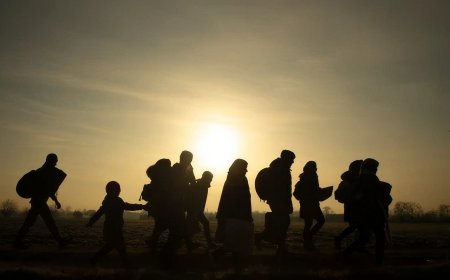




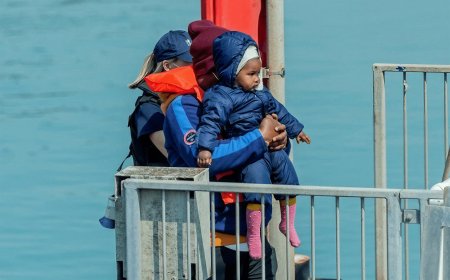
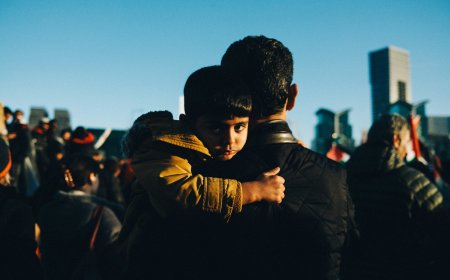













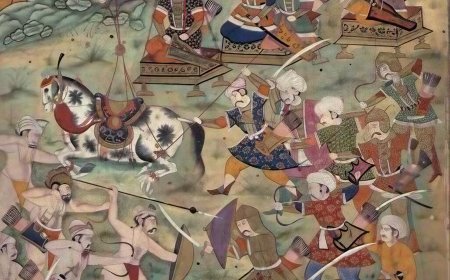




























Before he was the father of nations, Abraham was a refugee. Every faith that honors him should remember where he came from, and every heir who claims him should remember how many others call him father too.

Acknowledging historical wrongdoing does not mean that present members inherit the criminal guilt of their predecessors. It means something more politically mature: Refusing to make the past innocent simply because the present finds it inconvenient.

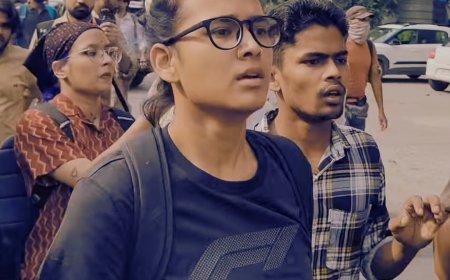
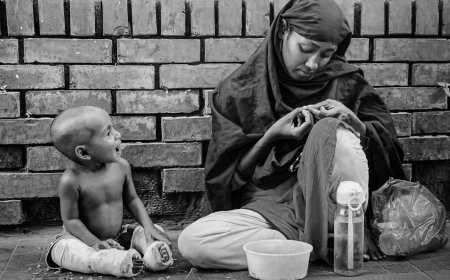
Our academics, civil society, and the media must urgently mobilize to stand beside the public. Civil society must venture beyond the comfortable confines of elite, conventional discourse and aggressively advocate for the legal protection of the most marginalized communities.

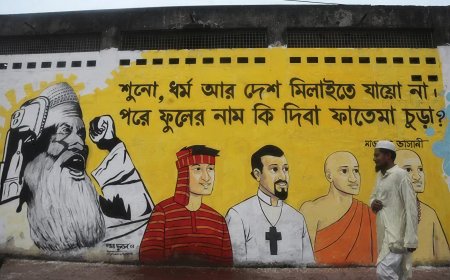
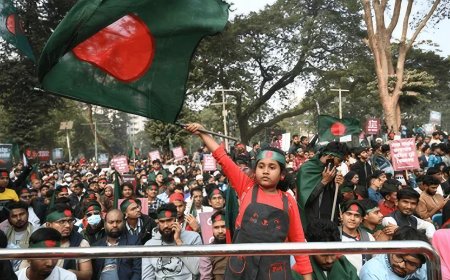
Freedom was never merely the achievement of a flag, a territory or a government of our own. Its deeper promise was the creation of a society in which human dignity would not depend on political affiliation, religious identity, social status or the mood of a crowd.
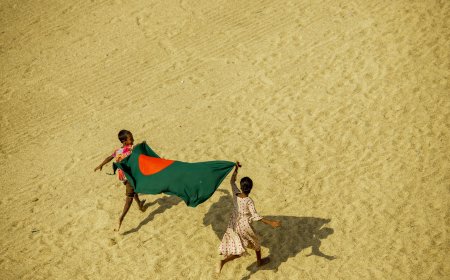
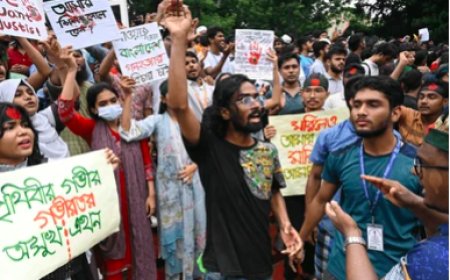
Our historic task is not merely to change who governs Bangladesh, but to change how Bangladesh is governed -- and how we, as citizens, understand our responsibilities to one another and to the nation
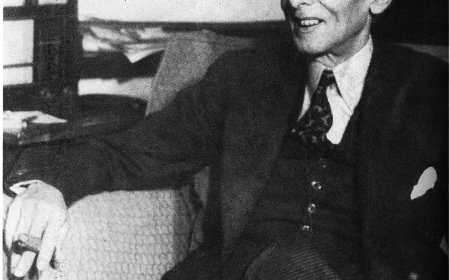
A common citizenship need not require a common mother tongue. Diversity, when constitutionally recognized, can strengthen a state; when suppressed, it can eventually break one apart.
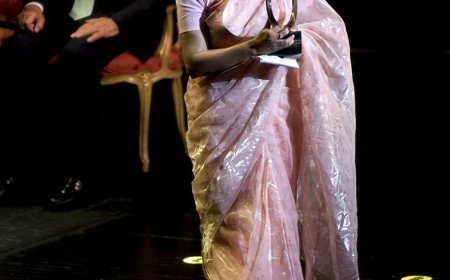
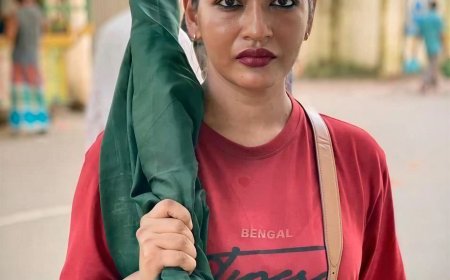
If a person judges a politically active woman not by her arguments but by her prayers and faith, how would he have regarded the millions of citizens whose religions, beliefs, lifestyles and religious practices differ from his own if he had acquired state power?

Bangladesh does not need another generation that merely knows how to speak about religion, culture, patriotism, or morality. Perhaps we need a generation that knows how to live them. And perhaps that is where the real Bangladesh begins.

The success of a country's moral education cannot be measured by looking at children's lips. If you want to measure it, ask whether a seven-year-old child can sleep safely at night inside that institution.

History is filled with lessons of how not to escalate wars and perhaps even avoid them; we have now known for decades what we need to do to limit and perhaps even reverse anthropogenic climate change; and the supernova of AI can be regulated to fit and work for human dignity and agency

A Bengali Muslim could support the idea of Pakistan at one moment, fight for Bengali language rights at another, and later resist the Pakistani state itself. Political identity changes through historical experience. That change is not an inconvenience to history. It is history.

Somewhere between those two narratives, Ganapati, Pritilata, Agami and Ayush risk ceasing to be four human beings and becoming evidence for somebody else’s political story.
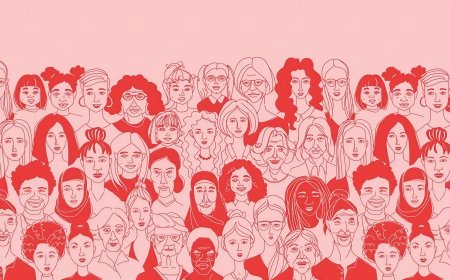
Patriarchy does not survive only because men consciously decide to oppress women. It survives because its norms can become embedded in families, institutions, communities and individual beliefs, including the beliefs of women themselves.
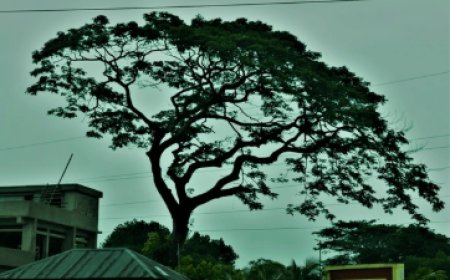
A river does not recognize a border. A bird carries no passport. The wind requires no visa. Seeds do not stop at lines drawn on human maps. An elephant does not know which hill belongs to Bangladesh, which to India, which to Myanmar.
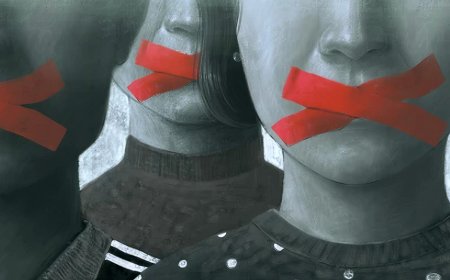
Is coercive moral policing becoming normalized in Bangladesh’s public sphere?

The least we owe her is the same chance we have always extended to men with far worse track records. If we spent even a fraction of the energy currently aimed at her job title on the officers who signed off on S Alam's loans, we might actually get somewhere.