





























































Too Little, Too Late
While we may briefly celebrate that the onslaught of criticism finally led to an apology and considerations for exam retakes, the government's quick patch-ups, for now, are, simply put, temporary band-aids.

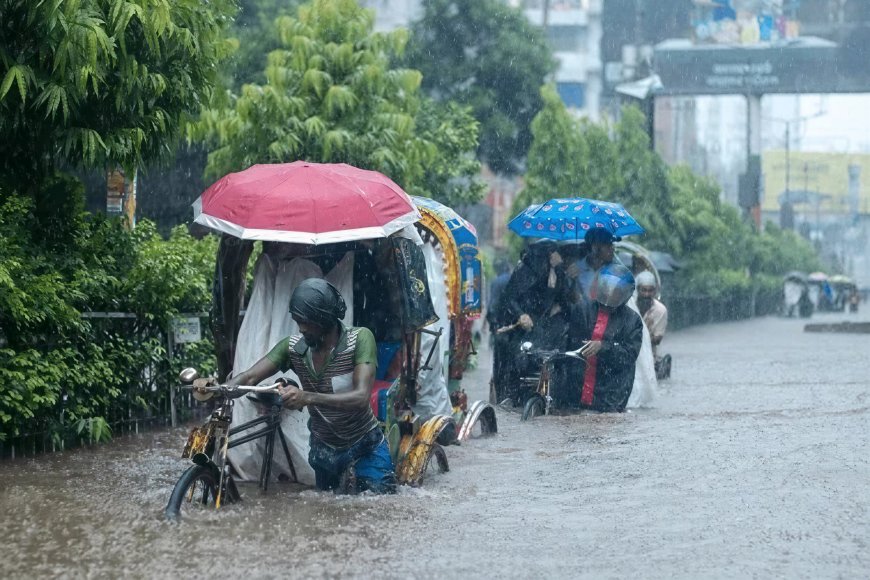
Compassion isn’t hard to come by on rain-soaked days, especially for anxiety-ridden students sitting for what is possibly one of the most important exams of their school lives.
Students really shouldn’t have to worry about whether they will be able to reach exam centres. Yet, as floods took over our daily lives on July 12 and 13, those were exactly the cards that the students were dealt.
In a reported phone conversation, Education Minister, ANM Ehsanul Hoque Milon, added fuel to the fire when he referred to students who expressed concerns over sitting for HSC exams amid heavy rain and water-logging as "broiler chicken,” dismissing genuine fears of health risks and safety.
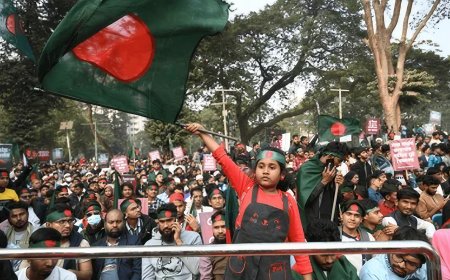
While we acknowledge his apology and a reconsideration of exam retakes, it came only after severe public outrage, protests, and calls for him to resign.
We may well ask whether the minister will bounce back and regain public trust after such strong backlash.
The real issue, however, is still left unresolved.
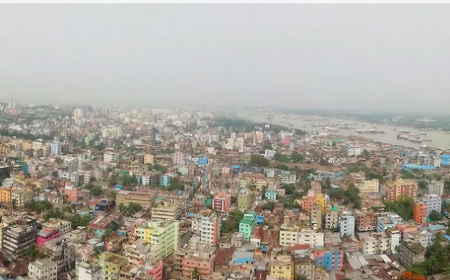
Bangladesh’s infrastructure and drainage capacity are in urgent need of reform. As they stand, they repeatedly fail the Bangladeshi people every monsoon.
We need to stop treating each flood or natural disaster as an isolated incident, especially when we know it is a recurrent reality.
According to a Daily Star analysis, Dhaka experiences an extreme flood event roughly every 16 months based on 40 years of monthly rainfall data, so these circumstances are neither unexpected nor unprecedented.
The July 2026 floods affected more than 1.1 million people across 10 districts, damaging roads, homes and infrastructure. They are alarming precisely because they are predictable.
Unfortunately, successive governments have long struggled to maintain and improve drainage systems, transportation networks, and urban infrastructure.
The controversy around the Education Minister boils down to one single point: If you don't have the basic infrastructure to support students, why hold exams in the monsoon to begin with?
When floods are a given, planning for them should be a given too.
Otherwise, the short-term reactive measures will remain little more than attempts to put out the immediate fire without any real accountability or structural changes.
While we understand that postponing exams cannot be an overnight decision, and requires a more thorough approach, we can all surely agree that contingency plans should have been in place long before the floods arrived.
Pictures of children struggling to reach exam halls have quickly spread all over social media, highlighting how severe the situation really was.
The minister said: "I did not intend to target anyone. If anyone has been hurt, I sincerely apologize."
Unless consciously followed by a meaningful action, this apology risks looking hollow.
The government's next steps should include careful coordination between the mayor, the city corporations, and the Transport Minister to address flood response mechanisms and long-standing infrastructural failures.
While we may briefly celebrate that the onslaught of criticism finally led to an apology and considerations for exam retakes, the government's quick patch-ups, for now, are, simply put, temporary band-aids. This should just be the beginning of their redeeming actions.
Bangladeshi people simply cannot keep resorting to outrage and protests just for the government to care and act accordingly.