

































![A Ledger of the Soul: Navigating the Allah-Bhagavant Nexus in a 19th-Century Puruṣākāra Jñāna Caupara [Gyan Chauper]](https://counterpointbd.com/uploads/images/202608/image_430x256_6a93baa3b09a7.jpg)





















The Morning After
The tragedy for both Bangladesh and India is that the more anti-Bangladesh sentiment gets entrenched in India, the more its mirror image will get entrenched in Bangladesh, and the implications for both countries range from the unfortunate to the unthinkable.

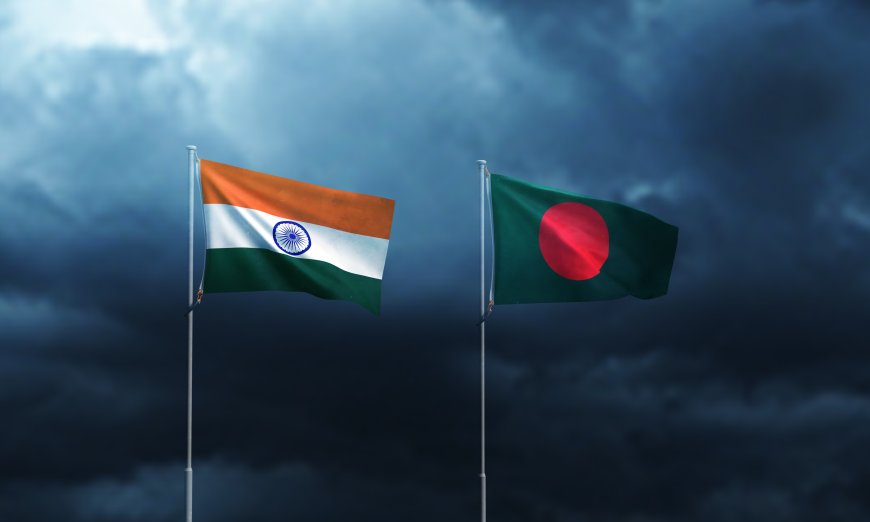
Five years ago, when TMC retained power in the 2021 West Bengal Assembly Elections, I penned a front-page commentary titled: The World’s Greatest Democracy Lives.
What a difference five years makes.
The point I made then was that for all the ills associated with Narendra Modi and the BJP, they were at least willing to meet their opponents at the ballot box and to accept the verdict of the electorate.
Fast forward five years and it is difficult to make the same argument.
The machinations surrounding the Special Intensive Revision of the electoral rolls which removed some 9 million voters, of whom at least 2.7 million have contested their removal, put paid to even the pretence that the BJP would countenance defeat in West Bengal or that they would be restrained by the niceties of representative democracy.
The implications for India are as profound as they are disquieting. India since its independence had always boasted independent institutions, including crucially the Election Commission and the Judiciary, that made it a beacon for developing and post-colonial nations.
Today it is incontrovertible that the current dispensation’s commitment to democracy is as thin as its commitment to pluralism, and that the push to transform India into a majoritarian, authoritarian Hindu nationalist state is all but complete.
This is of course a calamity for India and its 1.4 billion people, especially for its religious, linguistic, and ethnic minorities.
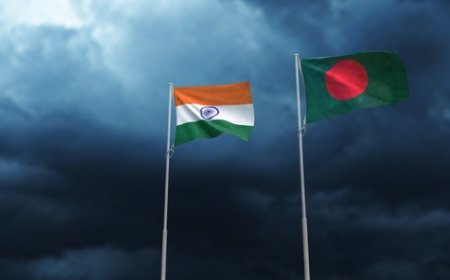
But the question for us here in Bangladesh is what does it mean on this side of the border and what are the implications for relations between our two countries.
The short and dispiriting answer is: nothing good.
For decades the BJP’s entire electoral strategy in West Bengal has been based on anti-Bangladesh rhetoric, and while their recent victory can in large part be attributed to the pre-election manipulation of the electoral rolls, it also cannot be denied that many more of the state’s voters bought what they had to sell.
The party went from roughly 23 million votes in 2021 to roughly 29 million in 2026.
Crucially, while exact figures are not yet available, exit polls and preliminary analysis suggest that the party’s share of the HIndu vote went from roughly 50% in 2021 to roughly 65% in 2026.
This suggests a hardening of attitudes among the Hindu electorate in the state, which will have profound implications for relations between the peoples of the two Bengals, and ultimately on the internal politics here in Bangladesh.
Prior to the election it had seemed that both the Indian and Bangladesh governments were committed to the slow normalization of relations which had gone underwater in the wake of the ouster of the Indian-backed Sheikh Hasina regime.
It is possible that the West Bengal election results will have no impact on this, and that the Modi government’s primary goal had been to win the state, and that its bluster about deporting millions of alleged Bangladeshis was little more than an electoral strategy, and that now that they have won that these plans will quietly be shelved.
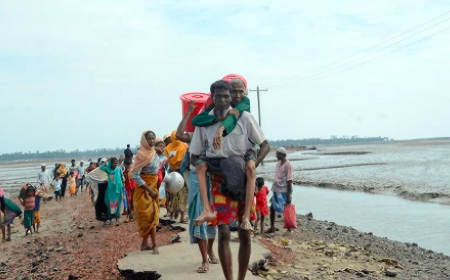
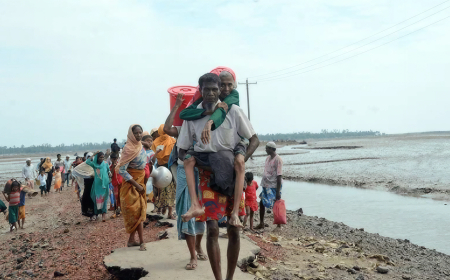
More likely, however, is that those who wish to deport any Muslim Bengali will be emboldened by the election results and interpret it as a green light for a program of ethnic cleansing.
Millions have already been disenfranchised. Their removal is the obvious next step.
Of course, such an action would permanently disfigure relations between Bangladesh and India, to say nothing of the disastrous consequences inside Bangladesh.
We can only hope that cooler heads prevail on the other side of the border and that the thirst for domination will be slaked by disenfranchisement and dispossession of the state’s Muslim population, and will not require a pogrom to achieve full fruition.
Either way, however, the damage will be more immediate, and, I fear, long-standing, if not irreversible.
The West Bengal election result and indeed the campaign that preceded it will have done nothing to assuage Bangladeshi fears about our neighbour to the west.
Indeed, they now stand confirmed and legitimized.
An election campaign that was fought on explicitly anti-Bangladesh themes and rhetoric has proved successful and the message for Bangladesh and Bangladeshis is unmistakable.
What this will accomplish is simply the empowerment of the most anti-Indian voices in the Bangladeshi polity and society.
Those advocating a policy of cooperation and co-existence with India, as opposed to one of hostility and opposition, will now be on the back foot, and the space for the government – or any entity inside Bangladesh – to reach out to India and to try to reconfigure relations on the basis of mutual trust and respect has been dramatically reduced.
India has long enjoyed at least cordial relations with Bangladesh. However, if the election rhetoric of its ruling party in the recent elections is anything to go by, they are determined to make such cordiality impossible.
If they get what they wish for, they will have no one to blame but themselves.
But the impact of a permanent souring of relations between the two counties will be as ruinous for India as it will be for Bangladesh.
The tragedy for both Bangladesh and India is that the more anti-Bangladesh sentiment gets entrenched in India, the more its mirror image will get entrenched in Bangladesh, and the implications for both countries range from the unfortunate to the unthinkable.
Zafar Sobhan is the Editor of the weekly Counterpoint.