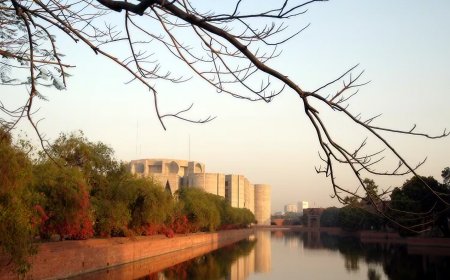
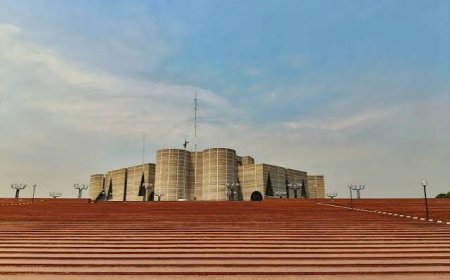























































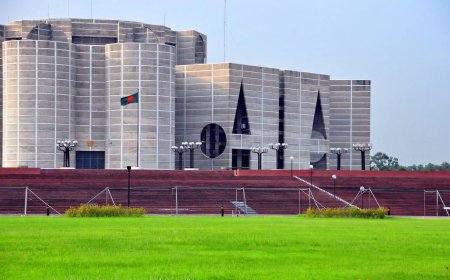
The country needs leaders from all political parties in parliament to be self-made men hailing from humble origins, shrewd, hardworking, ruthless, and fiercely nationalistic, capable of building a strong state and transforming society.
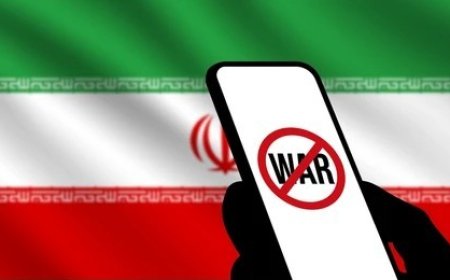
The US lost any foundation of protecting Iranian civilians from their government the day an American missile struck an elementary school, killing 175 individuals, most of whom were children.
The hopes and dreams of the people in society like ours die in the Westminster system of parliamentary governance, which prefers to suppress the opposition under legal cover; the space for morality wanes completely.
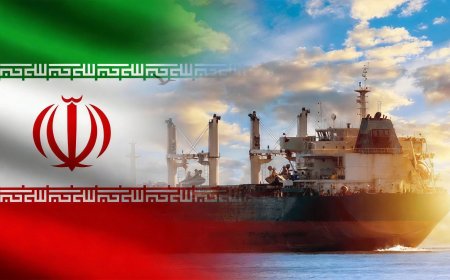
The strategic balance of the world has changed because from this point onwards. Future crises will be shaped by deterrence from multiple directions. The lesson from Iran’s victory is nothing short of a paradigm shift
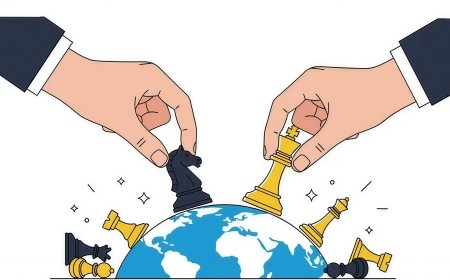
Bangladesh’s government faces a delicate balancing act. Every move in the international arena will be closely scrutinized for signs that the government is “tilting” towards one geopolitical axis or another.
As a supporter of substantive reform within the political structure of this country, this dim scenario really makes me sad. And it also clarifies one thing: our failure has come from one major shortcoming -- we didn’t reach out to people.
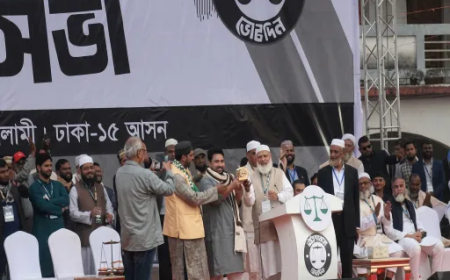
What Jamaat's 68 seats do is give the party institutional leverage to shape the answers to questions that matter far more than whether Bangladesh wakes up tomorrow under a theocracy.

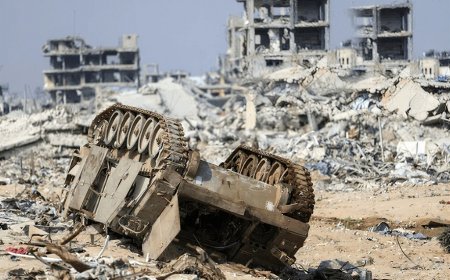
It is a clear admission that the war failed to deliver its stated objectives. No regime change, no oil conquest, no uncontested control of the Strait of Hormuz, no elimination of Iranian nuclear capabilities without serious concessions.
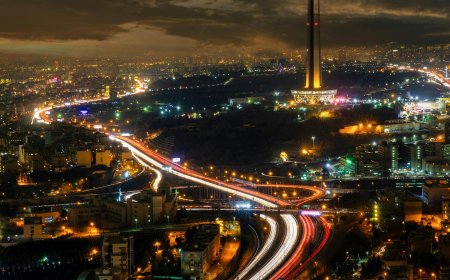
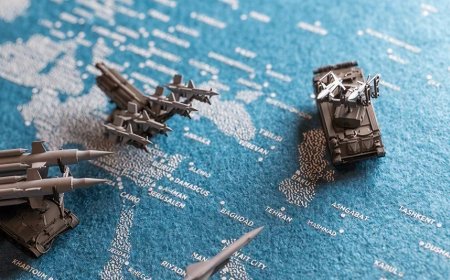
Iran is more than just a state; it is a civilization capable of developing a new system or model that others might follow, beyond the Westphalian framework. Without wise leadership, the ongoing conflict could not only lead the world into a prolonged economic downturn but also reshape global power balances.

Societies in exile may not yet find their way home. But exile, once recognized, need not end in disappearance. It can become watchfulness, and watchfulness, has often been the difference between mere survival and quiet renewal.
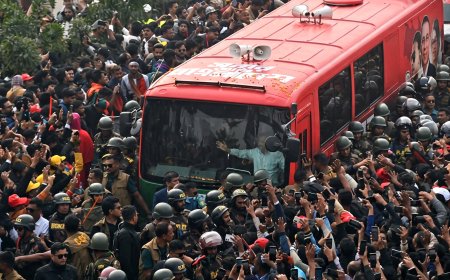
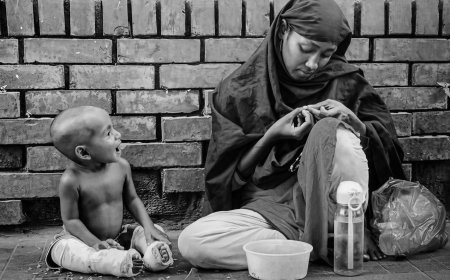
A government that reduces VIP protocol but continues to evict vendors without rehabilitation has merely exchanged one performance for another.
International law appears to bind only the weak nations but not the powerful, mighty ones. Afghanistan, Gaza, Guantanamo Bay, and targeted actions against foreign leaders all show how rules can be bypassed without consequence.
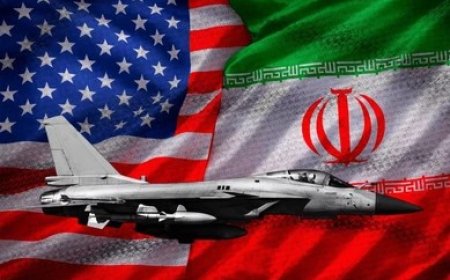
Iranian leadership has demonstrated remarkable resilience, shaped by the mosaic defence, the bolster policy of Iran after the death of Kashem Soleimani.
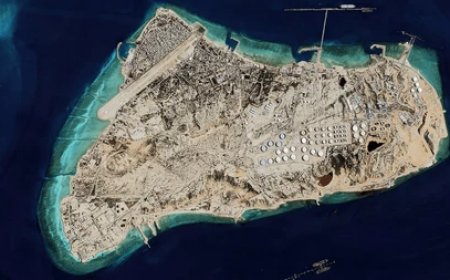
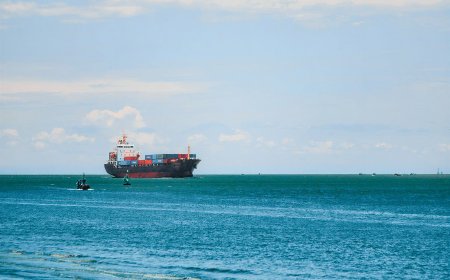
Modern warfare increasingly targets economic infrastructure rather than traditional military formations. Oil terminals, pipelines, power plants and ports have become instruments of pressure in conflicts across the world. The objective is not merely to defeat an enemy army but to weaken an adversary’s economic foundations.
Ensuring accountability is the key, and a state cannot design a system, cannot create an institutional design where the only protection is a party's or an individual’s goodwill. A state’s guiding operational principle cannot be to be ruled by the angels.
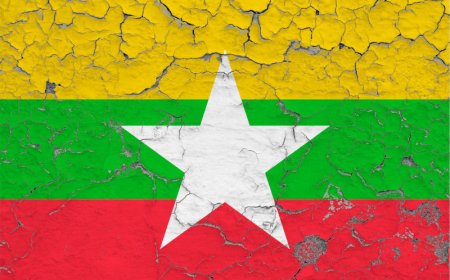
Myanmar stands as a stark reminder that in today’s world, geography is destiny only until strategy intervenes