





























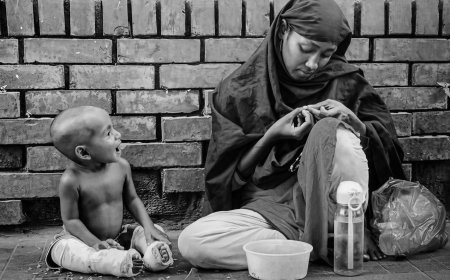


































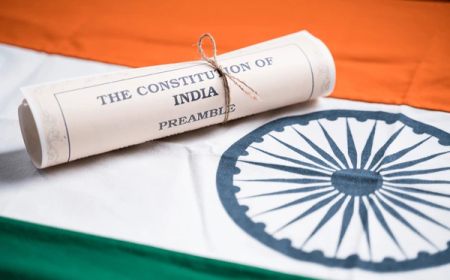
Societies often come to believe that electoral victories are all that is needed to save democracy, when in fact they end up undermining constitutional democracy through their electoral triumphs.

Bangladesh's geographical location -- standing at the intersection of South Asia, Southeast Asia, and vital maritime trade routes -- grants it immense strategic value. Washington understands this reality fully.
Pakistan may be relevant. But relevance is not neutrality, and it is not trustworthiness. Any diplomatic process in which Pakistan seeks a decisive role should be treated with strict limits, hard verification, and deep skepticism.
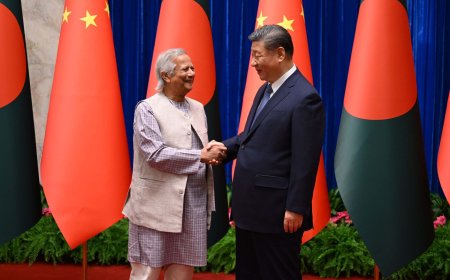
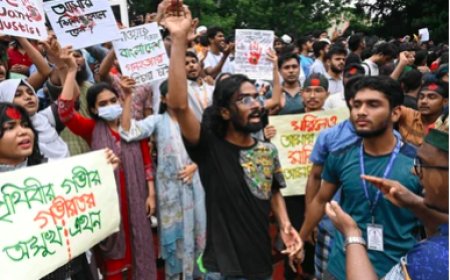
In this environment, terms like “deep state conspiracy,” “foreign funding,” etc provide a ready‑made vocabulary for dismissing the July uprising as manufactured rather than acknowledging the real anger that drove it.
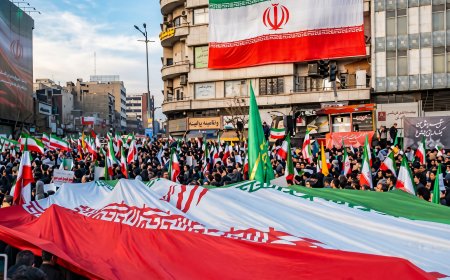
A nation fighting for its survival generates a depth of will that a nation fighting for its credibility simply cannot match.
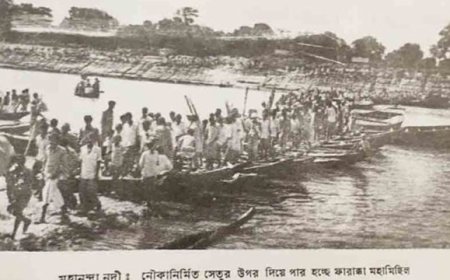
The Farakka Long march of 1976 was ultimately a march for dignity, justice, and survival. Even after five decades, its meaning has not faded. Rather, it has become more urgent than ever before. Because when rivers survive, nations survive too.

But the Strait of Hormuz never read your book. It does not care about Hegel. It does not care about the "universalization of liberal democracy." It cares about the presence of a warship within 500 kilometers of its shores -- and it has learned to fire a missile that can make that warship regret its existence.
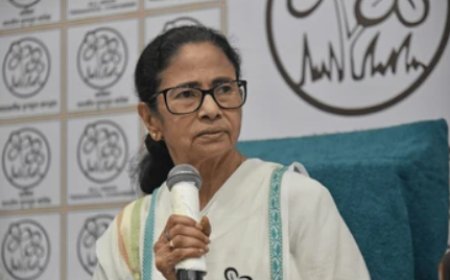
Mamata Banerjee governed Bengal through emotional familiarity. She spoke the language of neighbourhood grievances, middle class anxieties, and Bengali insecurity about national marginalization. For years, that intimacy protected her from anti-incumbency.
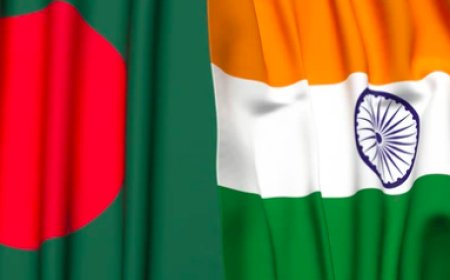
Does it mark the end of an era, or return to a bygone era in which Hindu-Muslim clash was a celebrated theme? The Muslim-majority Bangladesh next door, which has just survived a massive political upheaval, adds urgency to our query.
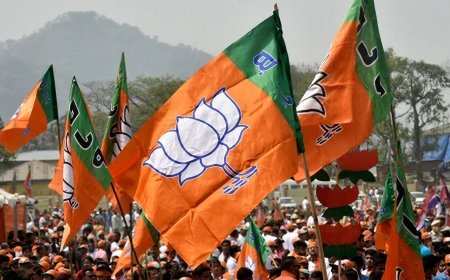
For Bangladesh, diplomacy has now become more important than ever before. It will require a sophisticated neighbourhood policy that combines realism with prudence. Emotional reactions or reactive nationalism unlikely to serve Bangladesh’s long-term interests well.

What India did for us is real. What India has done to us, and what it has told itself to justify that, is the projection.
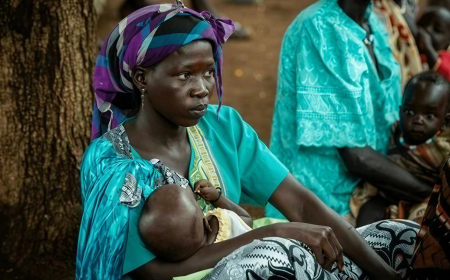
As we sit at our dining tables day in and day out, perhaps we cannot picture a mother sitting at home in Sudan, unable to silence her shrieking child because she must feed him or her boiled leaves or grass.
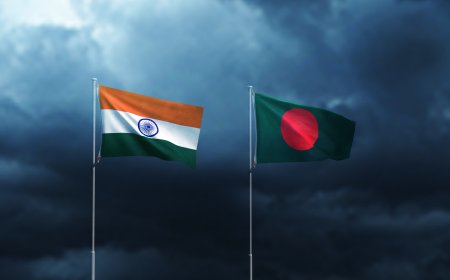
An already weakened Bengali Nationalism is going to be almost moribund. At the core of Bengali Nationalism is a common social and cultural heritage of the Bengali speaking people in both sides of the border.

The question is whether Bangladesh has the courage to apply the same scrutiny to every class of collaborators past and present, left and right, secular and religious and to build a republic where proximity to power is no longer the country's most valuable currency.

The BJP’s victory was structurally broad, its final scale may have been amplified by UA deletions in specific close contests, but TMC’s losses in Muslim-majority constituencies also point to a genuine political swing. A warning sign that may matter well beyond this election.