





























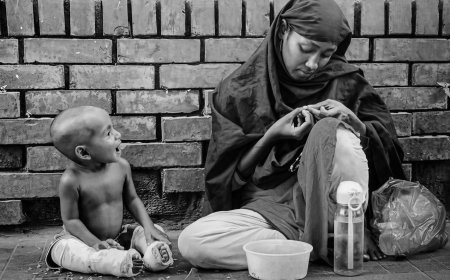


































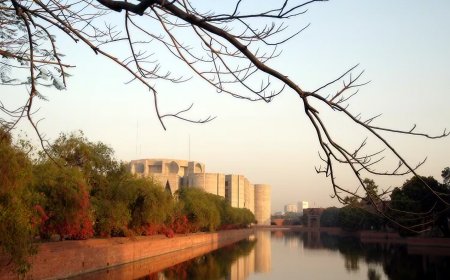
What Bangladesh needs now is nothing less than a new social contract between the state and its citizens.
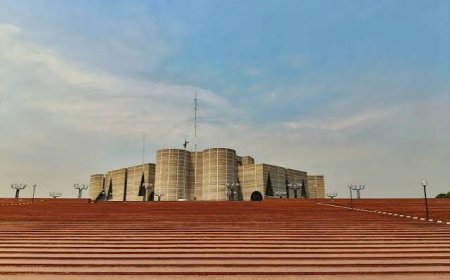
The willingness to impose consequences within the ruling party is a welcome signal. Its lasting significance will depend on whether accountability becomes sufficiently routine that citizens no longer have to wait for intervention from the top.
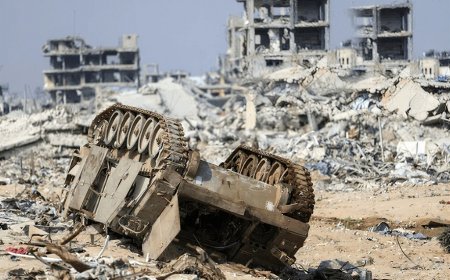
The US is out of options with bombs and blockades. A blockade is partial. The bombs have been shown not to work. We see diminishing rate of sorties all the time, now a tiny fraction of the sortie rate that the US is usually accustomed to.

Bangladesh's economic prospects depend partially on how successfully it can navigate an international trade environment that has become increasingly defined by geopolitical rivalries.
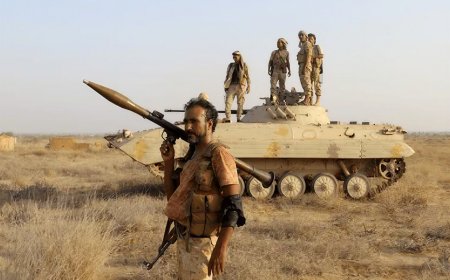
Participation in an emerging regional security architecture should strengthen Bangladesh’s strategic autonomy, not turn its armed forces into an instrument of another country’s foreign policy.

The interim government recognized that the 1973 ICT Act needed reform, but the changes made fell well short of what fair trials require. This is Part One of a series on the International Crimes Tribunal.

If Bangladesh is to emerge from this transition with institutions genuinely stronger than those it inherited, power must become harder to capture, harder to personalize and easier to restrain.

Contrary to what regime defenders believe, this government is not safe. People who are encouraging it to become more coercive are doing it a serious disservice.

When Global South outlets amplify that framing without question, they become complicit in a propaganda architecture they did not build and do not control.

China can simply keep enough doors open for Iran to survive and enough alternatives available for other Middle Eastern states to avoid choosing the US alone.

Democratic pressure seeks to influence a decision through persuasion. A mob seeks compliance through intimidation. That distinction matters because political purpose does not neutralize coercive method.
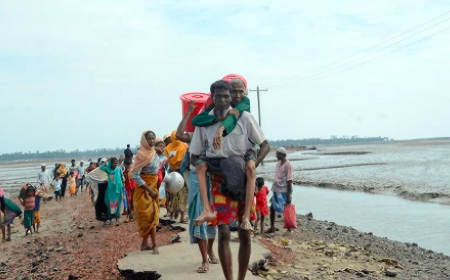
Nine years ago, the Rohingya crossed into Bangladesh expecting to stay for a season. They are still there. The speeches have changed hands three times, but the camps have not moved.
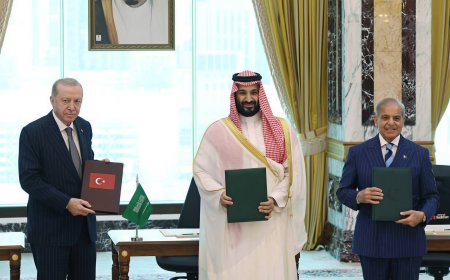
A defence pact that only defends when nobody is actually being attacked is not a defence pact. It is a press release, and Mecca's first stress test made that painfully clear.
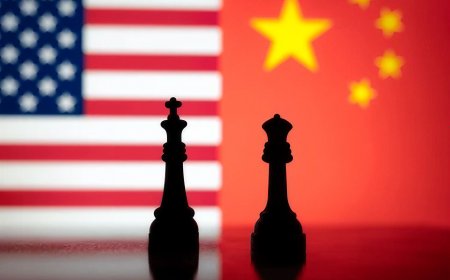
China leads in AI publication volume, citations, patent output and industrial robot installations, while the US retains advantages in notable model development, high-impact patents and investment.

Born to Egyptian Muslim parents, he wants to make a positive difference in the lives of everyday Americans. It’s a matter of pride that he boldly speaks of his Muslim faith, despite the horrendous backlash faced by this community, especially if someone dares to try rising to the ruling class.
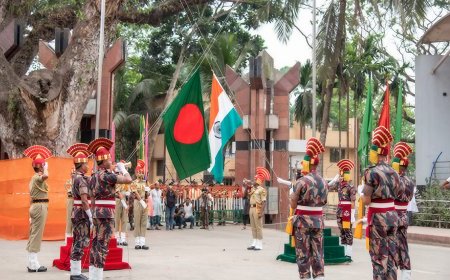
Bangladesh and India have repeatedly attempted to reset their relationship, but deep-rooted disagreements over sovereignty, regional power, strategic autonomy, water sharing, and economic reciprocity continue to undermine trust.