








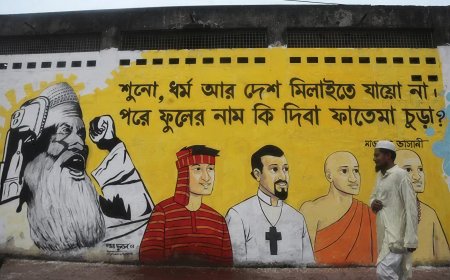




















































A class of divinely chosen people has the power, endowed by God, to read the esoteric meaning of the Quran and the capacity to guide their own path and that of their followers to connect to the ultimate reality through a mystic journey, which is the foundation of the doctrine of Sufism.

International law and global stability are not distant abstractions for Bangladesh but essential pillars of economic resilience and national planning.
For the first time in decades, the United States risks strategic isolation within its own alliance network. If the United States is perceived as an unreliable negotiating partner, future mediation efforts -- both in the Middle East and beyond -- may suffer.

Unlike many bilateral relationships in South Asia that are defined by rivalry, the India-Bangladesh relationship began with cooperation and solidarity. That legacy continues to shape perceptions and policy even today.
Since 1945, and specifically since colonizing Palestine with Israel and taking the baton of Empire from Britain, the US has been waging imperial domination around the globe, with the safety of claiming the distinction of not being an overt colonial force.
Instead of a single battlefield, the United States could find itself managing simultaneous crises across several countries, dramatically increasing the complexity and cost of military operations. Recent history offers sobering lessons about the limits of military power in such environments.
Bangladesh deserves better than slogan-driven geopolitics. It deserves journalism that can critique American power without romanticizing Iranian power, question Israeli policy without indulging conspiracy, and evaluate Russia, China, or Pakistan without reflexive alignment.
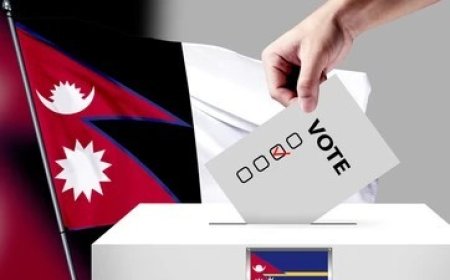
This isn’t just a normal switch in power. It’s a clear rejection of two parties that spent decades swapping control, making deals, and getting caught up in scandals while the country struggled.

In the end, that is what happened to NCP. It let itself be persuaded that the bravest thing a youth party can do in its founding election is to make itself small.
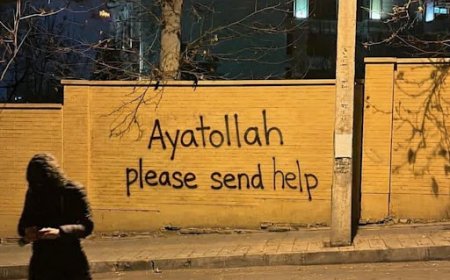
We have a choice: To be passive consumers of the spectacle, or active collaborators in writing a different ending -- one based not on fear and division, but on the unbreakable, transnational solidarity of those who believe, against all odds.

What we may be witnessing is not the eruption of uncontrolled conflict -- but a controlled application of force designed to close a 30-year nuclear standoff. History will not judge this moment by the explosions. It will judge it by what follows them.
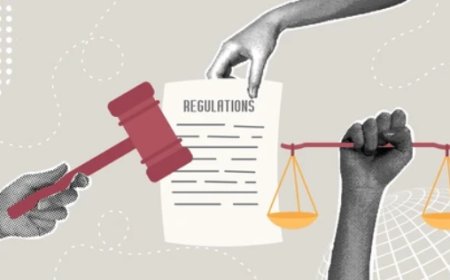
Political criticism will persist, that is the nature of democracy. But a government that governs through law, accountability, and judicial independence will find that criticism becomes manageable, trust becomes durable, and stability becomes achievable.

The purpose of this article is not to belittle BNP’s victory in the 2026 election. The purpose is to peel the layers of statistics to get to the ground truth and what we can infer from them with reasonable confidence.
The immediate challenge before Prime Minister Tarique Rahman is to slow down the gyration of the turning wheel and to set us on a straight path. To assess such possibilities we need to clearly understand the political lessons from the recent elections and to explore the pitfalls which lie ahead.
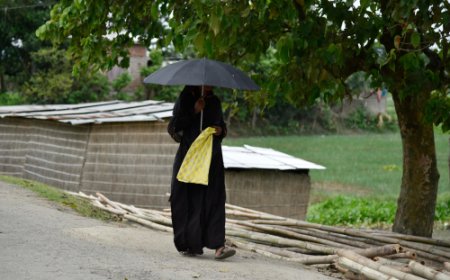
Jamaat’s political ecosystem has long been associated, at least in public discourse, with moral policing and deeply conservative positions on women’s roles. It would represent a significant social shift if large numbers of women, especially younger ones who have faced online and offline harassment from JIB affiliated groups, were now turning toward the party.

A two-thirds parliamentary majority means nothing if the streets of Dhaka turn against you, as Sheikh Hasina learned. If Tarique governs with the same composure and restraint he has shown since his return, there is reason for hope. If he does not, the verdict of the streets will be swift.