































































In the final analysis, a truly elected government is powerful not because it controls the state machinery, but because it commands the consent of the governed. That consent, however, is not permanent; it must be earned every day through performance, integrity, and humility.
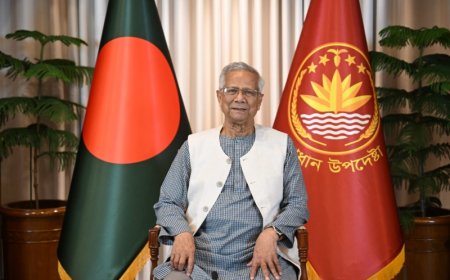
Today, 18 months later, as the nation takes stock of the past and looks at the future, it is an opportunity to evaluate the performance and legacy of Muhammad Yunus and his Interim Government. The performance and work of the Interim government, despite some shortcomings, must be commended, perhaps even celebrated.
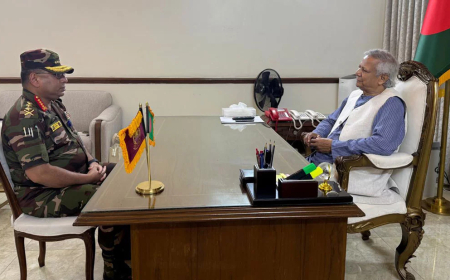
In an era of polarized discourse and manufactured divisions, Dr. Yunus and General Waker-uz-Zaman showed us the path forward: Humility in the face of criticism, prioritization of the nation over self, and relentless pursuit of reform and justice.
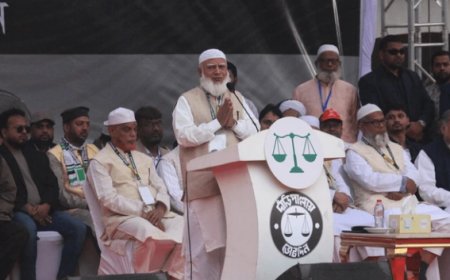
Jamaat conceded defeat, congratulated the incoming government, and committed to parliamentary cooperation while legally challenging disputed seats. This dual approach respects democratic stability while defending electoral accountability. It reflects institutional maturity, not grievance politics.

The 2026 electorate delivered a clear message: A revolution can topple a regime, but it cannot govern by erasing the cultural DNA of its people. Voters chose a path of stability, signaling that while they were ready for a new chapter, they were not ready to rip out the first pages of the book.

For all its organizational discipline, ideological clarity, and grassroots networks, Jamaat-e-Islami has spent five decades confined to the margins of Bangladeshs political mainstream -- not because it lacked ambition, but because the stage was always owned by others.
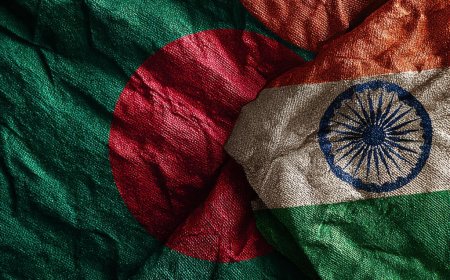
Modi’s outreach to Tarique Rahman, Dhaka’s invitation for the swearing-in, and Delhi’s decision to send a senior representative all point in the same direction: Pragmatic minds, and a shared recognition that India and Bangladesh do better when they work with each other
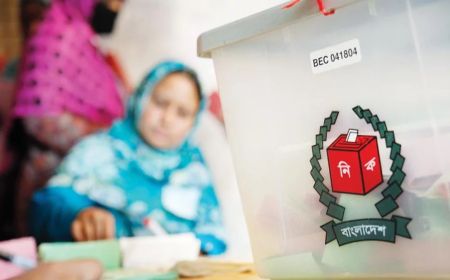
The election is over. The excuses must end. The post-2026 election period will be remembered either as the moment Bangladesh finally chose reform, or as another chapter of deferred responsibility.

It is time we moved from change is coming to change has happened. I strongly recommend to start with a small cabinet with a mix of veteran politicians, young politicians and technocrats. The scale can be extended after 6 months once the foundations are laid. A large cabinet will cause management nightmare and decisions will get obstructed.
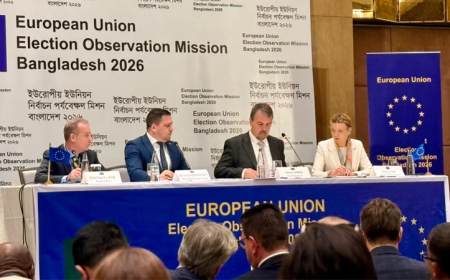
The failure of the observer mission to engage with the question of inclusiveness suggests a selective view of the elections
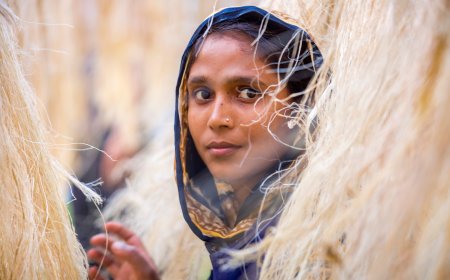
Bangladesh has held many elections since independence in 1971. But few have carried the weight of this week’s vote. Now comes the harder test: Proving that victory does not mean domination.
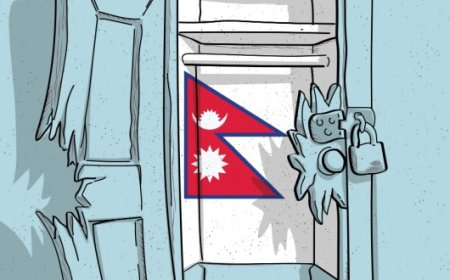
Sushila Karki was given an impossible task as PM that she has handled with poise and praise

Are you relieved (or disappointed) that Jamaat did not get more seats? Not so fast. This election was a big victory for the party. Those who are disappointed with Jamaat’s result have not yet had their basic lessons in politics.

A democracy matures not when one party wins, but when citizens quietly redraw the boundaries of power. In this election, women redrew those boundaries. The republic now stands on ballots they cast.

Despite a paucity of resources, a showing of 66,000 was very creditable. Even without all their resources, without AL and minority votes, the BNP candidate would likely not have prevailed. This was an encouraging start that provides a strong base for the future.
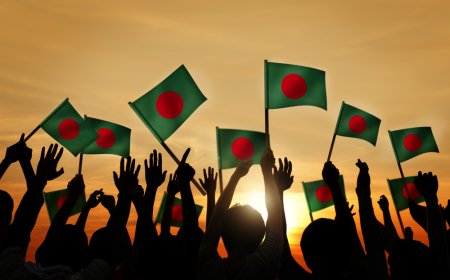
The winners and losers, and those in between, in the aftermath of the February 12 polls