

































































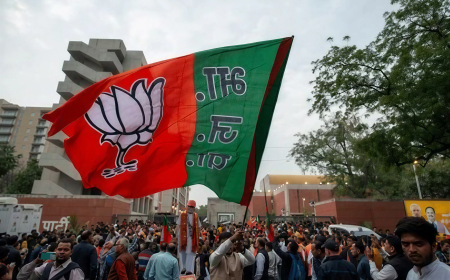
The BJP campaign, like the one in 2021, was conducted in a manner reminiscent of an invasion rather than an election. Television channels and newspapers, many of which are openly and enthusiastically aligned with Modi’s party, framed the elections as a conquest of Bengal by him and Shah and the Hindutva party they lead.
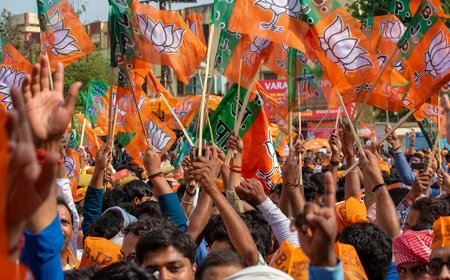
Bangladesh functioned as a mirror in which West Bengal was invited to view itself: Hindu or Muslim, refugee or infiltrator, borderland or nation, Bengali or anti-national.
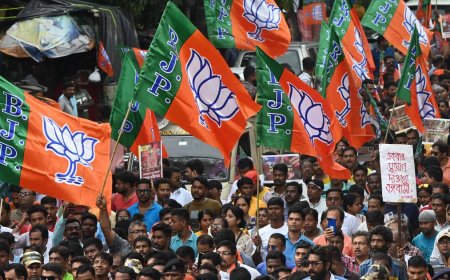
The Bharatiya Janata Party has secured a two-thirds majority in the state that it has never won before.

That is how democratic erosion can happen, not only through overt repression, but through laws that centralize power while preserving the appearance of legality.
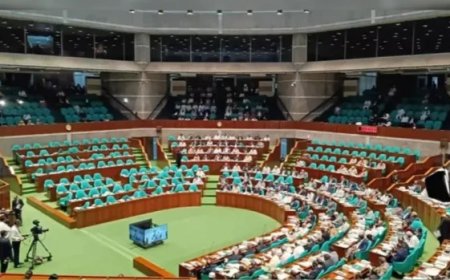
In functional democracies, losers succeed by diagnosing the situation precisely and organizing methodically. The goal is to defend the uncertainty of the next election. If an opposition misdiagnoses a policy defeat as a regime collapse, it loses the ability to speak to a combination of public segments.

New media and direct communication have created openings for ambitious challengers who can bypass old gatekeepers and speak straight to voters. The victories of Shah and Magyar may therefore represent more than isolated upsets. They may be early signs of a broader political era in which aspiring outsiders can more successfully challenge the entrenched elite establishments.
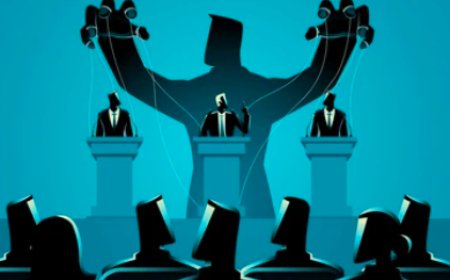
When power is built in ways that are not openly contested, when structures are created without clear political labelling yet function as extensions of a particular ideology, the line between organizational growth and concealed control begins to blur.
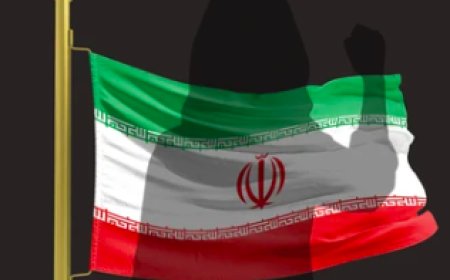
When a nation stands strong to protect its land from aggression, facing the threat of annihilation solely to preserve the dignity of its geography and people, its model of governance can’t align with any universal model for the sake of others.
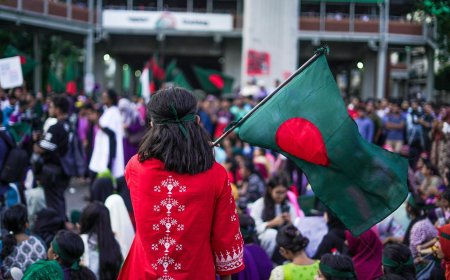
Who decided what the new Bangladesh would look like? And were the women who built it in the room when that decision was made?

Ambedkar is not simply a historical figure. He is a living political question. The Republic of India today is built on his constitutional architecture -- and is increasingly governed in ways that undermine it.

In this low-grade, slow-burning rivalry, silence does not equal absence. It usually means that the game has already started.
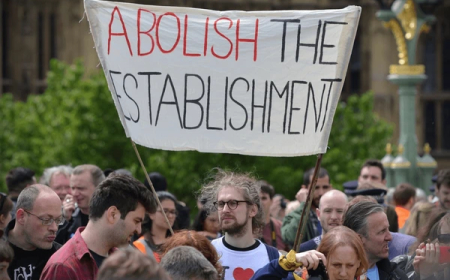
Whether a party is “Center-Left” or “Right-Wing” matters less to the modern voter than whether that party appears capable of breaking the system to improve the average person’s life.

The party's political and economic actions are not converging or complementing each other, and instead the party is letting its economic vision lead the governing process without considering the political consequences. This is a risky bet and may not work.

Lobbying fills the gaps left by these weak institutions, providing protection where enforcement is arbitrary and speed where formal systems stall.
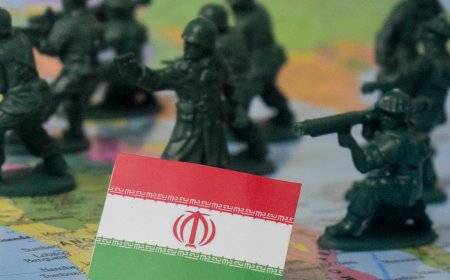
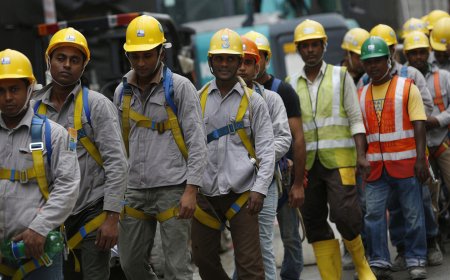
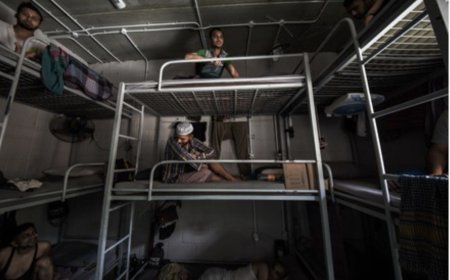
The war will be over, and the Middle East will need massive reconstruction, necessitating a huge workforce from the underdeveloped world