
































































Road to Constitutional Reforms
The country needs leaders from all political parties in parliament to be self-made men hailing from humble origins, shrewd, hardworking, ruthless, and fiercely nationalistic, capable of building a strong state and transforming society.

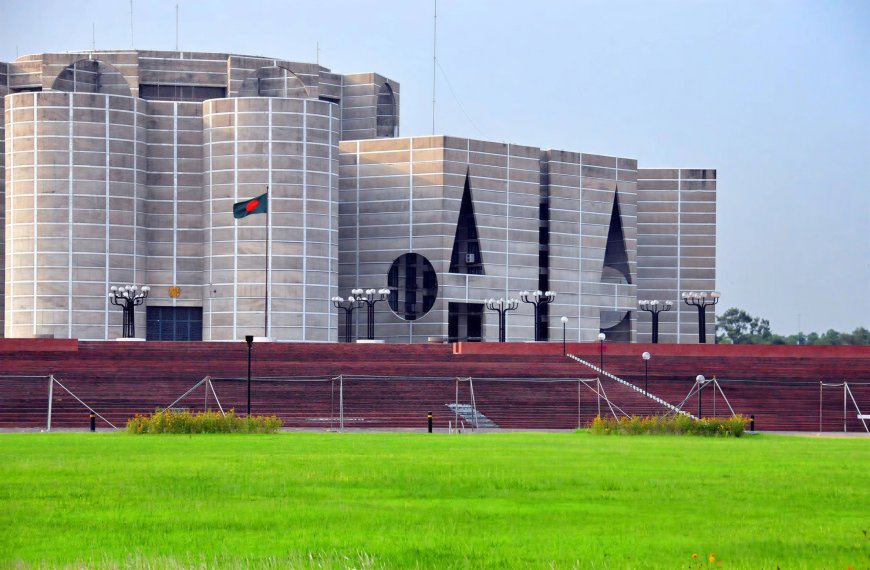
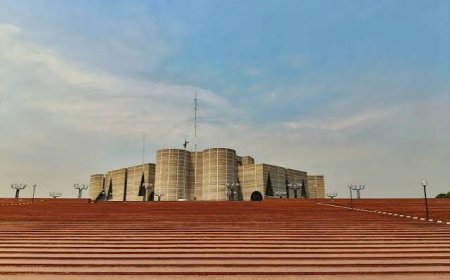
Amid low festivity, unlike before, the 13th parliament session had begun with many of its members seemingly starting as students, like kindergartners. It may take a few sessions to find members skilled in freelance speaking, such as at a roadshow or a protest for liberty, who display skills similar to those of Westminster-style parliamentary members.
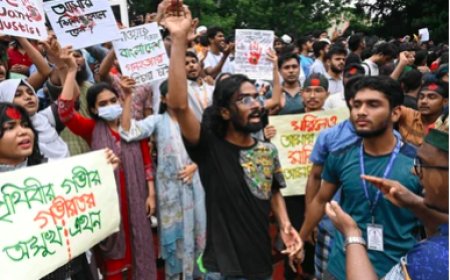
The old, seasoned members, including the veteran politician, will dominate the new members for quite some time until they catch up in skills to deal with the parliamentary business rules. As the confidence sets in the new members now clapping the bench from the opposition camp, they will perhaps roar sooner, asking for the visible road to the reforms of the constitution as the July Charter promised.
The seasoned parliamentarians, not interested in reform to protect their power, will constantly attempt to keep the reform as far as possible from legalistic debate. The typical character of the parliamentary session of Bangladesh will perhaps drag on, session after session, in discussions such as the budget or the internal needs of their constituents, for which the respective parliamentarians are accountable to their people.
But no sooner does it go beyond 180 days without a clear roadmap for constitutional reforms than the roars inside the parliament might turn gentle politics into a roadshow challenging the government's legitimacy.
Failure to reach any consensus within or to unlock the roadshow to prevent it from turning into public chaos would only further endanger the country from the evil designs of inside and outside powers. A constitutional change in words, leaving the culture and practices of defying it intact, wouldn’t serve the people at all; rather, it would further weaken the state.
Winning a constitution is not a guarantor of the nation's sovereignty or security, which is far from the understanding of our typical political stakeholder. In a divisive political culture, perennial corruption across all spheres of society, and a strong state over a weak society, the powerful elites have barely granted citizens the liberty to exercise; so why should they?
The approach, calm and with humility, by the highest bodies of the government, may overwhelm the nation, unusual in experience before, but may it not circumvent the efforts to change the character of ruling for which thousands of lives have been sacrificed.
The constitutional reform itself can’t transform democratic politics unless political reforms are effected; the fundamental desire of the people to protect the country from chaos, oppression, and subjugation. What the country needs, and what the new force in parliament needs to learn, is that we need a strong state, formed through regulated institutional practices, to secure the border, impose order, develop the country, and transform society accordingly.
Political power in Bangladesh is exercised through unholy alliances of merchants, secular or non-secular intellectuals, and powerful military and civil bureaucrats, and above all, foreign influences. Merely reforming the constitution in words wouldn’t curb absolutism.
In the current complex geopolitical disorder in the post-Iran war era, more than constitutional reforms, what the country needs is a grand strategy to safeguard its core interests in the economy and politics, strengthen the state, and develop society as well. Parliamentary members should focus more on developing a strategy to organize the state and society to build an economy that sustains the people, defends the country against aggression, and enables it to live as a dignified nation when negotiating with its international partners.
They must now, apart from their respective political ideologies, learn to develop a national ideology that combines the spirit of both religion and culture, and infuse the traditional expectations of the elderly with the dreams of the youth. The members must not forget that the days of old power politics are over, and they wouldn’t go unpunished if the borderline is crossed in the eyes of the freedom-loving daredevil people.
The voice of the very few newest and youngest members of the opposition coalition already signals a shift in parliamentary accountability, even though it can pass bills with a two-thirds majority. The peers of these young political groups hold the parliament responsible from outside the session, yet have a huge impact on the minds of ordinary citizens.
Beyond parliament, the chief Muazzin's demand for freedom of speech from the Mimbar, in the presence of the Prime Minister, and the sharp action against extortion by a private charity hospital suggest that times have changed: Suppression or legally imposed rules will not go unchallenged if citizens deem them morally corrupt.
That says that beyond the notice and efforts of politicians, there is a transformation in people's psychological construct towards the demand for a strong but regulated state necessary for economic progress and prosperity, and the dream of building equally strong social institutions capable of preventing the political exercise of power from turning into despotism.
The country needs leaders from all political parties in parliament to be self-made men hailing from humble origins, shrewd, hardworking, ruthless, and fiercely nationalistic, capable of building a strong state and transforming society. What the parliamentary leaders need is to mobilize the meager national resources to achieve strategic aims, develop human resources, build political capital, and use the parliamentary platform to inform their people accordingly.
Let the parliamentary session attract viewers in far greater numbers than the satirical content on the social media platform. The country needs a parliament to debate and exhaust itself on issues, rather than only on constitutional reforms, to benefit the people and help them live in perpetual peace from further political chaos. The constitution will automatically reform itself by the sound practices of its members reincarnated through the July Uprising.
Brigadier General AF Jaglul Ahmed (Retd) is a regular contributor to national dailies. He can be reached at [email protected].