









































































Why a Business Advisory Council isn't a Bad Idea
At a time when investor confidence is closely tied to perceptions of policy stability and transparency, a structured and inclusive engagement framework sends a powerful signal. It tells both domestic and international investors that policymaking is consultative, predictable, and responsive.


Bangladesh’s economy is passing through a demanding phase. Persistent inflation, foreign exchange pressures, and strains in the financial sector are not just cyclical challenges, they are tests of how effectively policy can respond to rapidly changing realities.
In times like these, the quality of policymaking matters as much as the policies themselves. And that quality depends, in no small part, on how closely policy is grounded in real economic experience. That is where the private sector becomes indispensable.
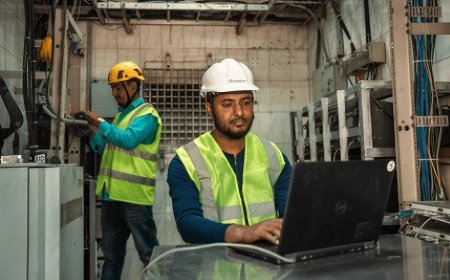
From ready-made garments to pharmaceuticals, from leather and footwear to construction, from FMCG to the fast-growing digital economy, Bangladesh’s private enterprises are the engine of growth, employment, and exports. Yet too often, the insights of these businesses enter policymaking only intermittently through consultations that are valuable, but not systematic.
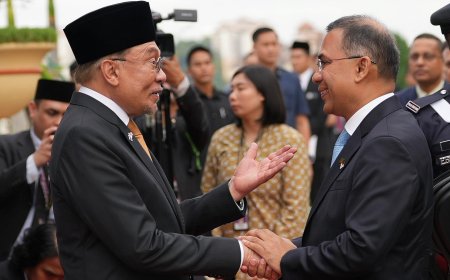
The recent meeting between the Honourable Prime Minister Tarique Rahman and business leaders is therefore a welcome development. It signals recognition at the highest level that dialogue matters. Such engagements help bridge gaps in understanding, surface emerging challenges, and build trust between policymakers and economic actors.
Today’s economic challenges are continuous and complex. They require equally continuous engagement. Without a structured mechanism for regular dialogue, policymaking risks becoming reactive rather than anticipatory, responding to problems after they emerge rather than identifying them early. This is why the idea of a Business Advisory Council deserves serious consideration.
A formal, institutionalized council would provide a consistent platform for engagement between government and business leaders. It would allow for the regular exchange of insights on taxation, trade, regulation, and investment conditions, areas where policy decisions have immediate and far reaching consequences.
More importantly, it would enable policymakers to better anticipate how proposed measures will play out in practice, reducing unintended consequences and improving implementation.
Bangladesh is not starting from scratch. Initiatives such as Business Initiative Leading Development (BUILD) have already shown the value of structured public-private dialogue. They have helped identify regulatory bottlenecks and improve aspects of the investment climate.
But their influence remains limited by their informal role in the policymaking process. A Business Advisory Council could take this a step further, elevating dialogue from facilitation to formal consultation, and linking it more directly to economic decision making at the highest levels.
The benefits would extend beyond better policy design. At a time when investor confidence is closely tied to perceptions of policy stability and transparency, a structured and inclusive engagement framework sends a powerful signal. It tells both domestic and international investors that policymaking is consultative, predictable, and responsive. That signal matters, especially now.
Bangladesh has made significant progress over the past decades by leveraging the dynamism of its private sector. Sustaining that progress in a more uncertain global and domestic environment will require stronger institutional bridges between policymakers and businesses. The recent high-level engagement is a step in the right direction. The next step is to make such engagement permanent, structured, and meaningful.
A Business Advisory Council would not be a silver bullet. But it would be a practical and timely reform, one that can improve policy outcomes, strengthen investor confidence, and help Bangladesh navigate its current economic challenges with greater resilience.
Asif Ibrahim is a former president of Dhaka Chamber of Commerce and Industry (DCCI).