












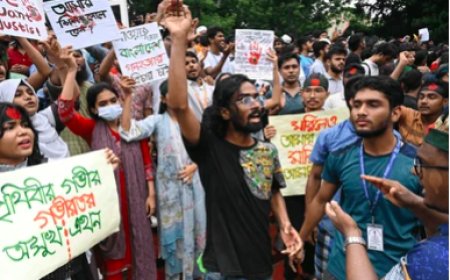









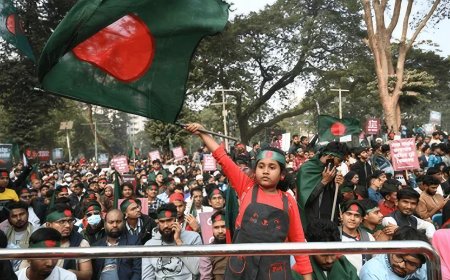











































No one can predict exactly what Bangladesh's constitutional architecture will look like by year's end. The process will be messy, contentious, and imperfect. But the direction is clear. Two-thirds of voters have chosen a path away from capricious rule toward a system where power is tempered.
Tarique Rahman can do what Sheikh Hasina would not: trust the Parliament he leads. Let it examine the Yunus era, line by line. Keep what works. Amend what can be saved. In that sequence, through that process, a course will emerge.

The question now is not only how America will wield its power, but how the rest of the world will respond to a superpower increasingly guided by transactional interests rather than shared norms.

Opponents of the referendum write as though rejecting this package will clear the way for a more measured, item by item process of constitutional improvement. But nothing in Bangladesh’s recent history suggests that such a sequence will materialize on its own.

The wording in the referendum question, set out in the four separate categories of reforms, only clearly match with 20 of the 47 numbered proposals set out in the July Charter

Success depends on three commitments that cannot be deferred: Speed. Visible, funded action in year one. Not plans for action. Action. Resources. Specific, budgeted commitments, not proposals
The government and the local authorities must focus on establishing a quickly implementable, balanced and transparent legal framework, not an imaginary policy. Otherwise, this guideline will remain on paper as always, and homeowners and tenants will bear the consequences.
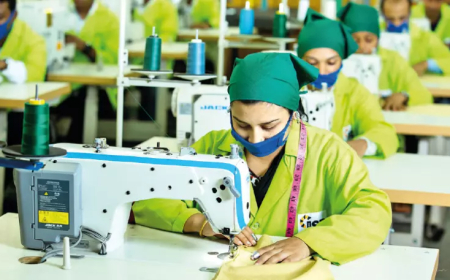
In the hands of Jamaat-e-Islami, a five-hour workday is not welfare. It is soft patriarchy, cloaked in empathy. Bangladesh should not repeat the mistakes of others when better models are already visible.
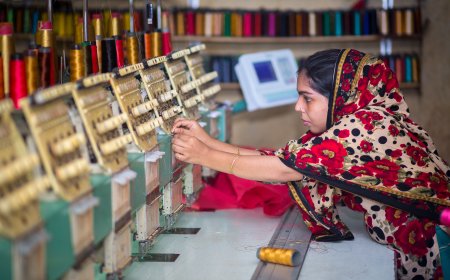
Bangladesh’s working mothers deserve a serious conversation about policies that ease their load and secure their economic future. They deserve thoughtful engagement, not reflexive dismissal. For once, let us debate the policy instead of demonizing the policymaker.
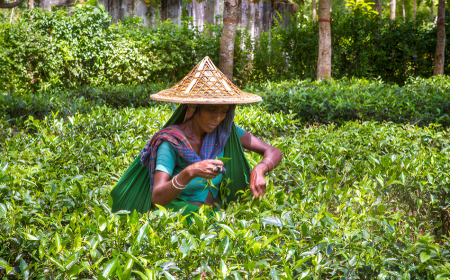
Tea workers exist and spend their entire lives on lands that they do not and will not own, unable to build assets or escape the plantation system.

Our cricketers will suffer the most over this difficult period which is why they must receive full sympathy and financial support. If this means that we forfeit participation in the 2026 World Cup (as has now transpired) so be it. There will be another opportunity in 2 years.

There was never a provision in the law that the permission of the first wife is needed for a second marriage; therefore, the court did not say anything new.

A country aspiring to become a trillion dollar economy cannot afford to operate with manual, subjective, or personality-driven oversight. It needs strong institutions delivering predictable outcomes.

Bangladesh rejected Israel’s recognition not because it could afford to be principled -- but because it could not afford not to be strategic. Somaliland should take note. The lesson is clear: recognition divorced from coalition-building and regional consensus can be worse than no recognition at all.

What is ultimately at stake is not merely the ease of obtaining visas. It is how Bangladeshi citizens are perceived as participants in the global order.

Normalizing forced extractions in the name of justice does not advance accountability; it advertises that power can dispense with law