












































































Securing the maritime area was only the beginning. Bangladesh must now protect the area, ensure maritime security, safeguard its environment, and develop the capacity to explore and responsibly utilize the resources of the seabed and subsoil.
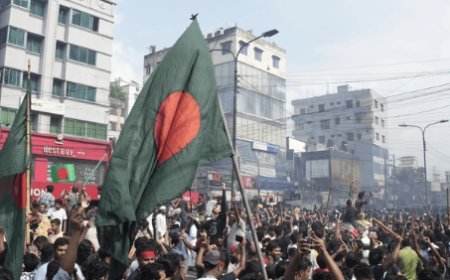
The Bangladesh we aspire to build will not emerge from slogans alone. It will emerge from the courage to reform, the discipline to implement, the wisdom to learn, and the integrity to put national interest above narrow interests.

In fact, for an American diplomat, Ambassador Peters sometimes sounded remarkably like a demanding Bengali mother: Bangladesh is already one of the ten most populous countries in the world, so naturally nothing short of becoming a top-ten country in every other respect should be acceptable.
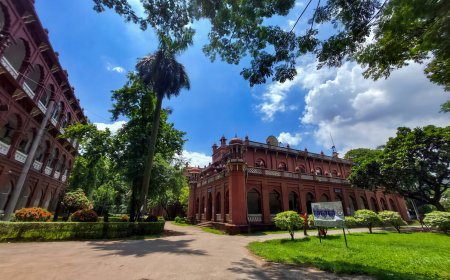
Had Begum Rokeya been alive to see the name “Oborodhbasini”, the platform through which female students are challenging these restrictions, perhaps she would have recognized the continuity before she noticed the novelty.
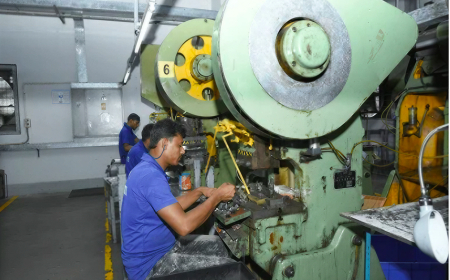
Bangladesh cannot end the war in the Middle East. Nor can it prevent the next pandemic, commodity shock or geo-political disruption. What it can do is decide how exposed its citizens will be when the next shock arrives.

A democracy cannot ask citizens to trust the ballot while treating one of their ballots as optional. The government received its mandate from the people. The July Charter received its mandate from the people as well. Both must be honored.

Giving a woman a corner of the bus and giving her control of the direction of the entire bus are not the same politics. Today her passengers may be women. Tomorrow everyone may be on board.

The first Doppler poll suggests that the government's political position remains reasonably strong. Two different national surveys, conducted through different methodologies, place government approval at almost the same level. That convergence deserves recognition.
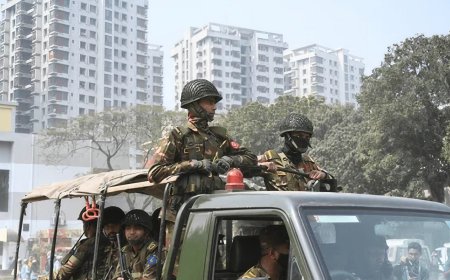
When an institution that possesses the legitimate instruments of force also begins accumulating authority over the definition of morality, citizenship and national identity, the balance can become fragile.
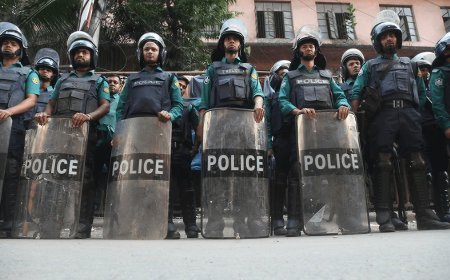
Abu Sayed's killing -- and the statement later made by the police officer convicted of his murder -- did not simply expose failures in the conduct of individual officers. Together, they illuminated deeper structural weaknesses within policing and compelled the nation to confront fundamental questions about accountability, professionalism, and the relationship between the police and the public.

Taxation is not simply about extracting more money from society. It is about defining the relationship between the state and its citizens. Countries do not become middle-income merely because they collect more taxes. They succeed when taxation strengthens the social contract rather than weakens it.

The image of Aall remains striking precisely because he was an outlier. He did not speak the language of diplomatic balance. He spoke about calories, mortality and responsibility. He insisted that humanitarian action was not morally neutral when people were dying.
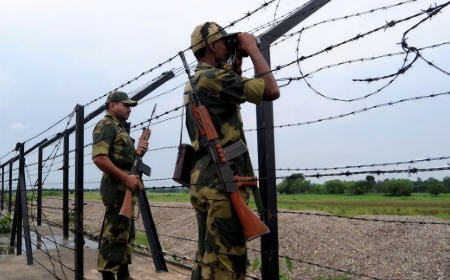
It is prudent for the Indian government to appoint H.E. Dinesh Trivedi, a former politician, as the High Commissioner to Bangladesh at a time when relations between the two countries are experiencing turbulence over the ouster of the last government.
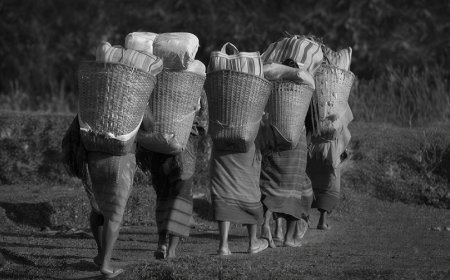
Bangladesh cannot claim to protect cultural diversity while systematically demolishing the indigenous land system that supports that culture.

Stability is not achieved through currency redesign, but through effective liquidity coordination and risk management within the existing global monetary framework.

The first BNP budget allocates billions for growth, infrastructure, and social protection. But its success will ultimately be judged by whether it creates employment for Bangladesh's growing workforce.








