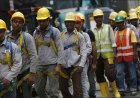






















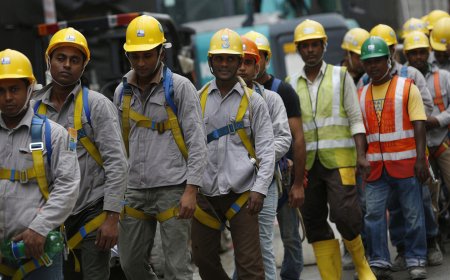





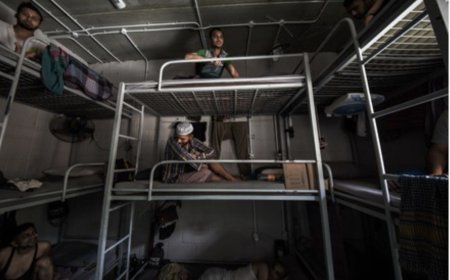
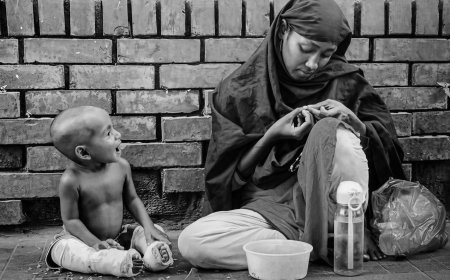



































Somewhere tonight, another Bangladeshi man is finishing a shift he did not choose in a country that does not care to learn his name. What he has left goes to a mother who needs medicine, a sister who needs a wedding, a child who needs school fees. Somewhere tonight, a woman is working in a locked house, her phone in her employer’s hands, counting the days until her contract ends.

Two Bangladeshis executed in Saudi Arabia raise questions about capital punishment, consular rights, and the unequal politics of citizenship.
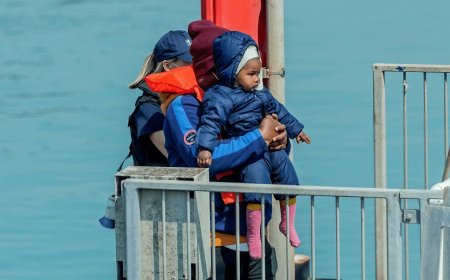
Migration is not a machine for enriching Britain and it is not draining it either. The sums are small, and what decides them is what people are paid.
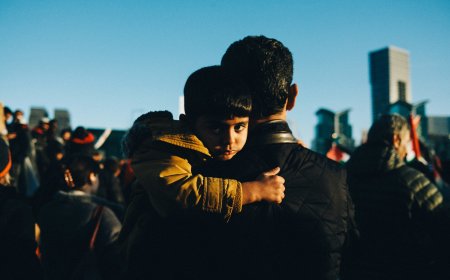
Ordinary people in Britain have plenty to be angry about. Those grievances are real, and I hear them often. The question is who caused them, and whether the evidence supports the claim that migrants are draining the country.
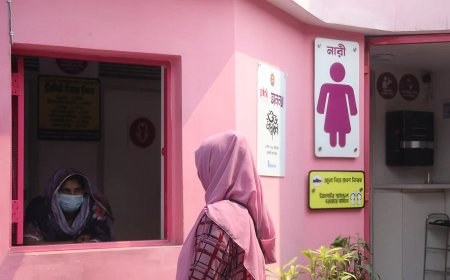
Against the grim backdrop of urban neglect, the need for radical transformation in municipal planning becomes clear, demanding an empathetic framework where human welfare takes precedence over chaotic growth.
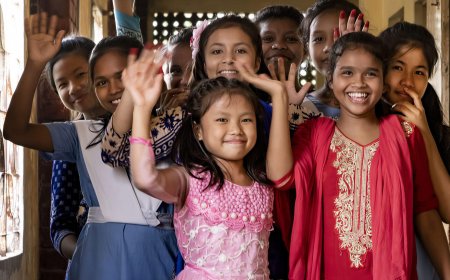
True inclusivity means bridging the gaps that keep the dispossessed silent. Only then can a purportedly democratic society begin to hear those at its margins, as active political subjects, not just data points.
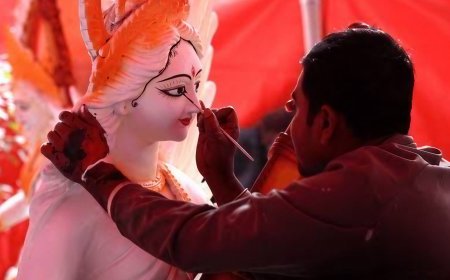
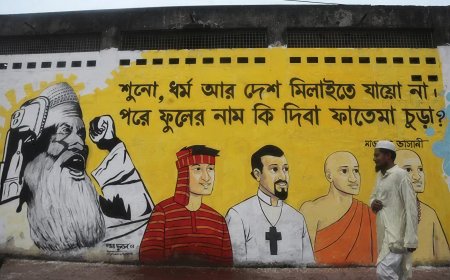
If Puja holidays damage the economy, calculate the economic cost of holidays demanded for one's own religious occasions as well. If religious processions blocking roads are unacceptable, demand the same rule for every religious and political gathering.
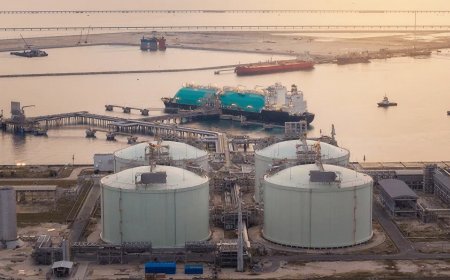
Bangladesh has already felt this reality directly -- fuel prices have risen sharply, garment factories have faced shortages and canceled orders, and foreign-exchange pressure has intensified, all within the same few weeks.

A nation is not protected merely by police stations, courtrooms and prison cells. Its deepest security is found in the trust between a child and the adults around them. If that trust collapses, no number of arrests after a tragedy can repair it.

Bangladesh survived many mistakes during the past several decades because growth was strong enough to absorb them. The next decade may be different. The countries that prosper in this new world will not necessarily be those with the smartest experts.
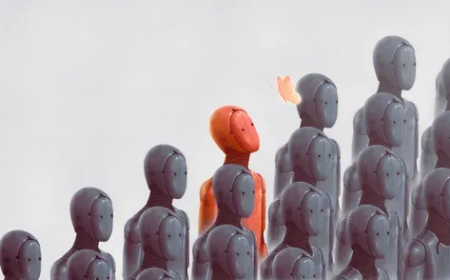
We have grotesquely transformed the vibrant, chaotic innocence of childhood into a perpetual, agonizing autopsy table, and the debt of this spilled blood cannot be settled through fleeting expressions of sorrow on social media platforms.

The government deserves credit for pushing out its electoral promises at the soonest, without being bogged down by the bureaucratic miasma. It deserves credit for providing a long-term aspirational strategy. However, the government must now pivot to confront the crisis of confidence that is imminent.
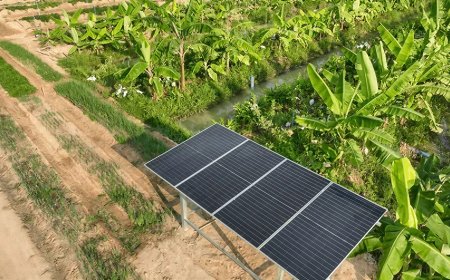
A project does not automatically become sustainable simply because it produces clean electricity. Renewable-energy development should not unnecessarily displace communities, convert productive farmland, destroy wetlands or wildlife habitats, obstruct natural drainage, or damage ecologically sensitive landscapes.
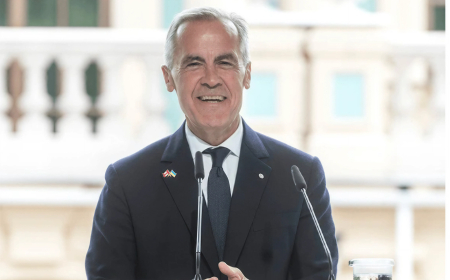
At a time when the world is looking for direction on how to contend with conditions that are anything but normal, Carney is better placed than any of his peers to shoulder the responsibilities and expectations that come with being the de facto leader of the global middle
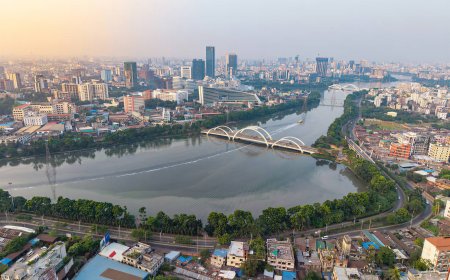
By embracing enduring, rights-based institutional programming, Bangladesh and the broader development community can plant the seeds of a resilient, deep-rooted institutional banyan tree that will stand firm through future economic and climatic storms.