





























































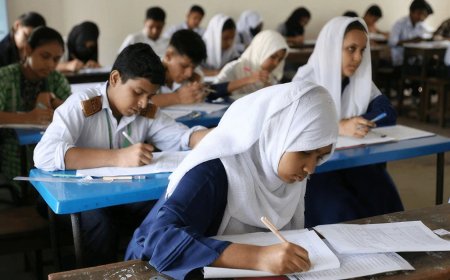
The education system of Bangladesh is not merely a ministry. It is one of the largest social systems in the world. Running such a system is not simply a policy challenge. It is an administrative challenge of almost unimaginable scale.
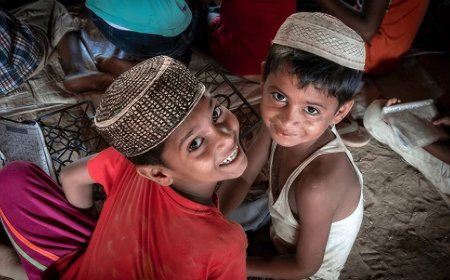
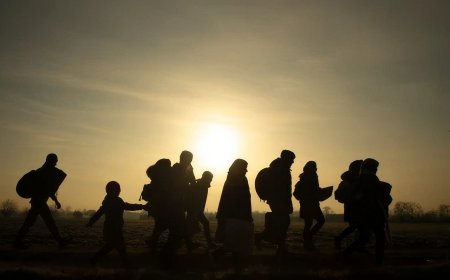
The Rohingya are not “fully dependent” on anyone. They are dependent only to the extent that they have been made dependent -- by design, by policy, and by a system that manages dependency rather than ending it.

Comprehensive reform of the judicial system has emerged as a major national demand.

While the university’s roots lie in Bangladesh, its ambitions are unmistakably global. The challenges that social businesses seek to address -- poverty, environmental sustainability, access to healthcare, and economic inclusion -- are universal.

As the BNP is now the ruling party in Bangladesh, there is a growing expectation that it will implement the commitments it made in its platform. While women represent 50.83% of Bangladesh's population, their rights continue to be threatened by violence, limited political participation, and social restrictions.

Bangladesh is a small fish in a big pond. Mr. Rahman must show enough courage to defend the country’s sovereignty while recognizing Bangladesh’s limits and acting rationally as a national statesman: That requires him not to design foreign policy based on whatever the prevalent mood is on social media.

Remittance inflows are not merely a function of diaspora goodwill or seasonal rituals; they are the mirror image of confidence in the domestic market’s fairness and functionality.

BNP has to govern not merely as the winner of an election but as the steward of a divided nation. Jamaat-e-Islami has to act as a parliamentary opposition, not as a liberation war revision society. The international community has to support democratic consolidation, not strategic alignment.

With the election scheduled to take place in the coming days, the need to heighten and strengthen protective measures is now immediate and critical. Preventive security, early warning, and community engagement efforts must be intensified not only on polling day but throughout the pre-election and post-election period, particularly over the next month, when risks of retaliation and intimidation have historically been highest.

What we have here is selective presentation designed to secure approval through incomplete information. The ballot emphasizes what is popular; the fine print includes what is contentious.

Whatever the causes, Bangladesh cannot wait indefinitely. It must build damage-reducing infrastructure without delay. This does not replace a water-sharing settlement; it reduces damage while politics drags on, and it must be designed with geo-politics in mind.
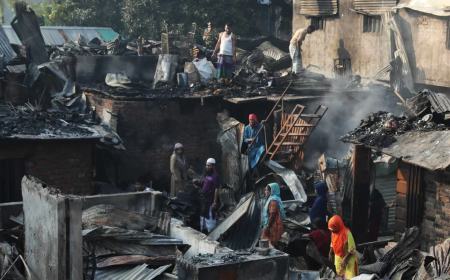
The Korail high-rise promise is not just a construction project. It is a governance challenge shaped by misaligned incentives, fragmented land control, extreme density, contested beneficiary selection, weak tenure enforcement, and post move-in affordability.
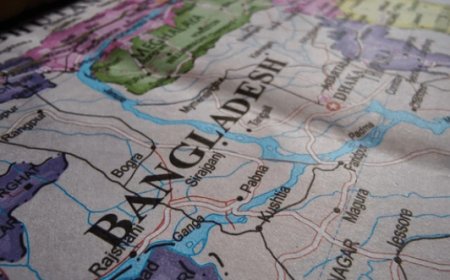
Turning water into a nationalist symbol may mobilize sentiment, but it has never produced water -- and it has often delayed the reordering of ties that scarcity now makes unavoidable.
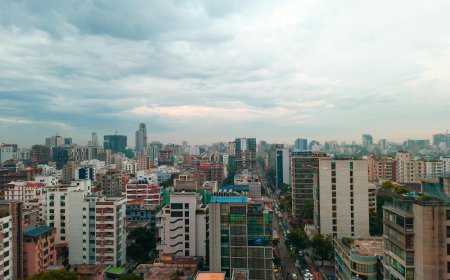
Bangladesh’s current urban planning, development, and management systems are so fragmented, multi- layered, and institutionally weak that administrative restructuring alone will not be sufficient at the moment.

America rises not when it restricts, but when it welcomes. So will America again evolve as the land of many voices? Its future, and perhaps much of the world’s, depends on this answer. For America is not merely a country. It is a covenant.

It's time to rethink the representation and rights of women in Bangladesh. Should elite secular feminism neglect to recognize and engage with Islamic feminist frameworks, it risks irrelevance or worse.