

























































(Almost) Everyone’s a Winner: Bangladesh Elections 2026
The winners and losers, and those in between, in the aftermath of the February 12 polls
Politics is usually zero-sum, but not today. Pretty much everyone has something to celebrate from the 2026 elections.
Winners
BNP, of course: A remarkable landslide that nobody saw coming. (Cue the inevitable lines of men experts saying that of course they had predicted it in their Facebook post in October etc).
But no serious analyst thought the BNP could detoxify so fast and successfully position themselves as a safe bet for such a large proportion of the voters after 20 years in the political wilderness and, lest we forget, a pretty ugly record in office.
Whether people have forgotten 2006, believe they have changed, or voted for the devil they know, we cannot yet tell. With so far 213 or 70% of parliamentary seats, the BNP can do a lot. Perhaps too much.
Those of us who remember 2008 will be wondering how with such a resounding mandate the new party of government can be encouraged to undertake the constitutional and governance reforms signalled by the referendum on the July Charter, reforms designed, remember, to restrain their power.
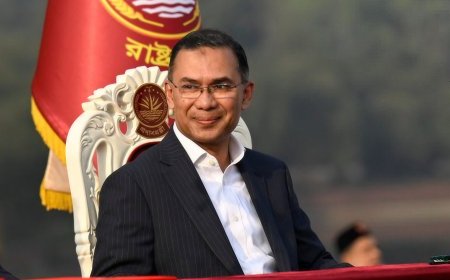
Their leader Tarique Rahman campaigned for a ‘Yes’ vote, so at least they are saying the right things -- for now.
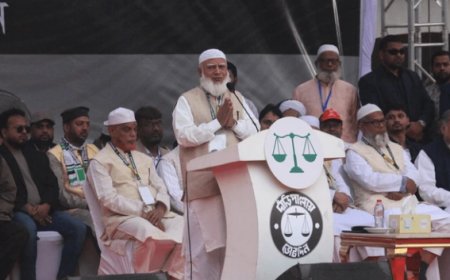
Jamaat: They saw the most remarkable gain of any political party in Bangladesh’s history. In 1991 they won 12% of the vote and 18 seats -- their greatest achievement till now. We don’t yet know what their vote share is, but with at least 68 seats, this means a dramatic improvement in their political fortunes.
The extremely far-right Islamist splinter groups, some of Jamaat’s greatest enemies, were roundly ignored by the electorate, with the leader of the Bangladesh Khelafat Majlis losing to a university lecturer. Faith-based politics may not have won the election, but it has advanced a great deal closer to victory.
Given that the Bangladesh electorate has a habit of kicking out incumbents, when permitted to do so, Jamaat should already be gearing up to fight the next election with the expectation of winning it.
Awami League: Yes, I know they were banned. But with a turnout of not quite 60%, when comparable elections (e.g. 2008) saw voters turn out in the 80% range, it seems likely that at least some Awami League supporters decided to stay home.
It was not quite the ringing endorsement of an electoral system sans the Awami League that the interim government might have wished for.
And so if I were the Awami League, I would also be eyeing a return to power. If only they could get rid of their own toxic leader, be held accountable for their crimes, and identify some non-family leaders, they might have a chance of return.
Of course, the losers are already complaining about tampering and rigging but then gracious defeat is not a feature of Bangladeshi politics, and may even be seen as weakness.
Even more remarkable is the 68% ‘Yes’ to the incomprehensible referendum questions.
Nobody understood what it was about in detail, but the general idea that we need to shore up the institutions of democracy does appear to have got through. Very well done to the Interim Government, and goodbye.
Amazing Women Candidates: Tasneem Jara, Taslima Akhter, and Monisha Chakraborty all lost. But they brought authenticity, a serious and sustained attention to real dal-bhat issues, matters of class and rights, and a fresh approach to politics. Their contributions will continue to resonate and I would expect to see them all making a difference in the Upper House once (if) that gets going.
The Bangladeshi People: Had their say, albeit within a restricted range of party options ranging clumping on the right. They went en masse for the only party tilting, almost imperceptibly, to the left. They showed that while Bangladeshi Muslims might be people of deep and serious faith, they have not forgotten the bloody history of religion in politics in the region. They made it clear that women are not just a collection of body parts, but voting citizens with the power to decide their government.
Losers
NCP: These are the only significant losers from the elections. Perhaps there are lessons here about what a lack of integrity in your politics, or of women in your leadership, can do for your political brand. Let us hope some lessons are learned, because we could do with some young people in politics.
The Truth: Disinformation abounded, and Jamaat, for all their professions of integrity, seem to have a lot of bad-faith supporters in the cyber-sphere. But there was a lot of good reporting, and a lot of able discussion in Bangladesh.
Innovision deserves particular praise for its high-quality polling, which we now know, fairly faithfully reflected what people felt and wanted.
And so, at least today, let us be thankful and hopeful about Bangladeshi politics. Because tomorrow it all starts again.
Dr. Naomi Hossain is a Global Research Professor of Development Studies at SOAS University of London.