

























































What did the February 12 elections mean for the future of Bangladesh?
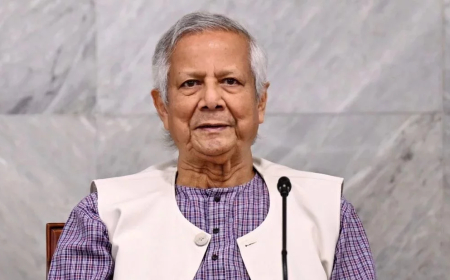
A Yunus presidency could arguably benefit Bangladesh considerably. Despite domestic criticism from certain groups, he continues to command considerable respect internationally, and no other Bangladeshi figure possesses comparable global stature

The new government will need to deal with a range of issues related to transitional justice, to include accountability, truth, healing, and (ultimately) reconciliation.
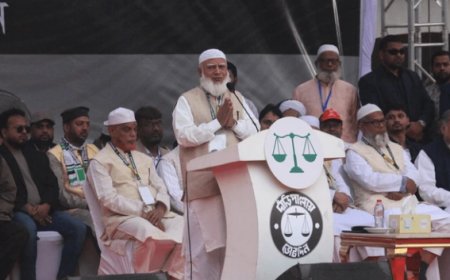
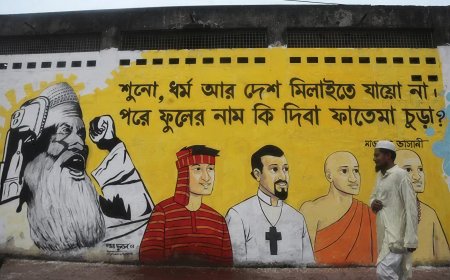
For all its organizational strength (its cradle-to-grave welfare systems, disciplined cadres, and efficient disaster response), Jamaat serves a problematic end: It is in the service of creating a theocracy from the bottom up.
Banning the AL has led to a vacuum filled by the Jamaat-e-Islami, now the second largest party and arguably stronger and more hopeful than ever about transforming Bangladesh into an Islamic state.

One of the core reasons behind Bangladesh’s political malaise is blind partisan loyalty. The tendency to select candidates based on party identity, factional allegiance, religion, or gender -- rather than competence -- has repeatedly rendered parliament ineffective. The entire nation has paid the price.

Jamaat can only win if this is a wave election, signaling a tectonic shift in the national mood. There is little evidence of this in the polls and available data. It is possible, but not probable.
The question is not whether this election will solve all of Bangladesh’s problems, it will not. The real question is whether it can reopen a democratic pathway that has long been blocked.

Bangladesh’s citizens face a crucial choice: Will they allow the state to bypass constitutional limits, pressure institutions, and control the vote, or will they insist that the Constitution not the government remains the ultimate authority?
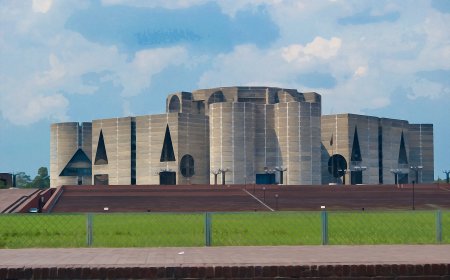
While turnout may not reach historic highs, it is nonetheless expected that up to 70% of voters will participate. Yet, as election day draws near, a palpable sense of anxiety and security concern has settled over the public.

The US has accidentally left a vacuum that Europe has been taking advantage of to establish itself as a geopolitical power. Europe does not have to remain hooked to the shackles of the dependency that was the Cold War, but now, it can move in its own direction and make new alliances and address what concerns it.
As Bangladesh enters into its first real general election since 2008, we will finally be given a snapshot of where the country stands electorally. Have the polls and the pundits called it correctly, or are we in for a February surprise? Only Election Day will tell.
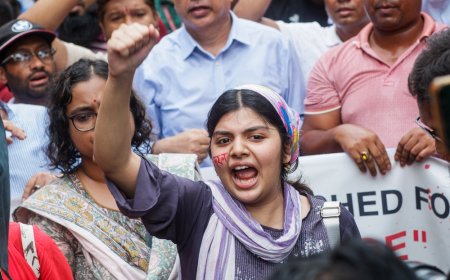
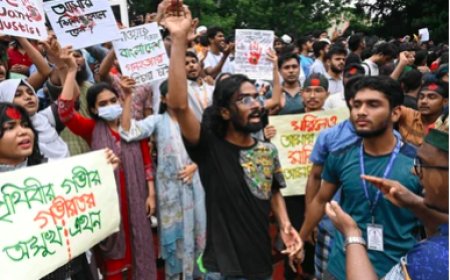
We should treat the promise of this election with the respect it deserves. The students who gave their lives, the activists who risked everything, the ordinary citizens who stood up against tyranny, did not do so for narrow partisan advantage. They did so for Bangladesh.

India’s political field has bent under pressure but has not collapsed. Meanwhile, Bangladesh’s political field is far more fragile.

The crisis of politics is not its end, but its hollowing. The machinery we inherited was not designed to govern algorithmic power or planetary limits. Recognizing this is not defeatism but intellectual honesty.

The constitutional stakes are plain. The Bill of Rights protects speech, press, and the right “peaceably to assemble,” and it does not contain an immigration exception. International law says the same with sharper vocabulary.