






















































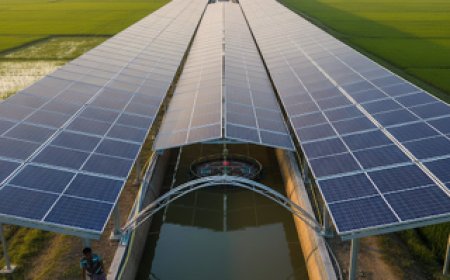
There is a blueprint for restoration. It lies in the very veins of our land: the 20,000 kilometers of canals that define our geography. We can transform these waterways into a 36-gigawatt sovereign circuit.
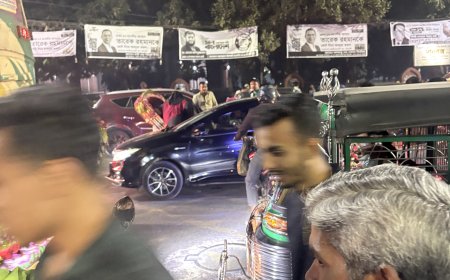
Foreign observers will not, and cannot, answer the big questions. At best, they can marginally increase the reputational cost of blatant fraud. At worst, they offer political elites an easy scapegoat, deflecting public anger away from those who truly failed.

The lesson of recent first-past-the-post elections, from Britain to South Asia, is that victory belongs to the party that combines breadth with discipline. BNP has achieved the former. The task now is to execute the latter: Defend marginal constituencies, prioritize candidate quality, and treat every seat as winnable.
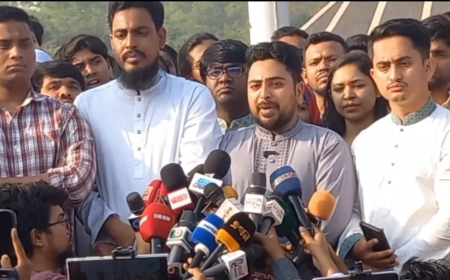
The NCP is still young. Its leaders are young. When it was launched, the response was electric; crowds gathered wherever it went. That energy is now waning. The atrophy has begun -- but it is not irreversible.

Nothing in recent geopolitical trends suggests pressures on Bangladesh’s economy are going to get simpler. Everything points to a need to accept that simply returning to the status quo will be insufficient. The economy must exceed both performance and expectations of the past if the nation is ever to hope to catch up with its competitors.

After liberation in 1971, the decisions made in those first years shaped the country for decades. The people who rise to state power or prominence in the next few years will define Bangladesh's trajectory for a generation.
Our future cannot be entrusted to outrage merchants on YouTube. It must rest with leaders and citizens who understand that justice is built through patience, responsibility, and steady labor, not performed for clicks and applause.

Jamaat has emerged as one of the two main parties in the current dispensation. Its student wing has won student council elections in five universities. Its online activists dominate the cyberspace. It has consistently polled sufficiently well to emerge as the main opposition in the next parliament if not outright win the election.

The notion that Jamaat-e-Islami is on the cusp of ruling Bangladesh tells us less about Bangladesh’s politics and more about the fantasies and anxieties of those observing it from insulated rooms.
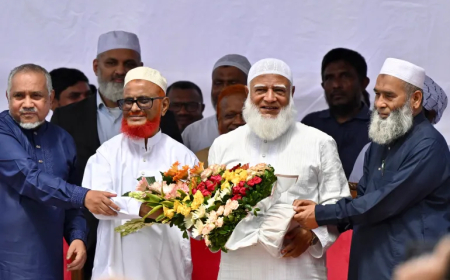
To understand whether an individual is honest, we need to know whether that person is committed to alternation of power, whether he understands the value of inclusivity and dissent, whether he knows that people with different ideas live within the same society, and whether he is willing to let them survive, grow, and challenge him.
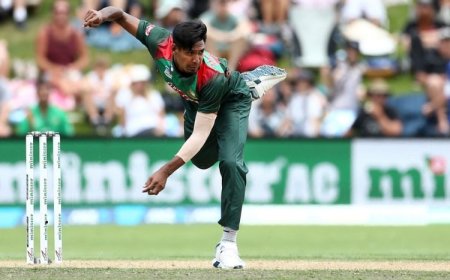
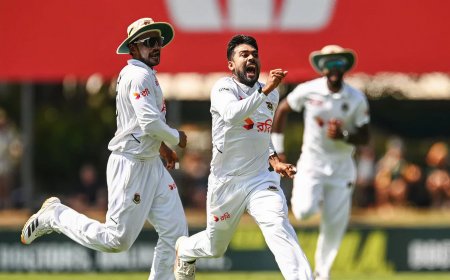
The question isn't whether Bangladesh made the tactically perfect decision. The question is whether middle powers everywhere -- in cricket, in trade, in international relations -- are ready to stop performing compliance and start building alternatives. That's what sovereignty looks like when the old order collapses and the new one hasn't been built yet.

Televised debates won't solve every problem with Bangladesh's political discourse. They won't eliminate partisanship or guarantee honesty. But they offer something increasingly rare: a structured opportunity for truth-testing, where claims meet challenges and voters can judge for themselves.

Where does the Awami League stand today, 18 months after the July Uprising, and is there any way back for the party post-February 12?

Why “Bangladesh First” Is Coherent Politics and “We Are the People” Is a Theological Trap for Jamaat. The first is a moral ordering principle which prioritizes responsibility. The second is a sovereignty claim and defines power.
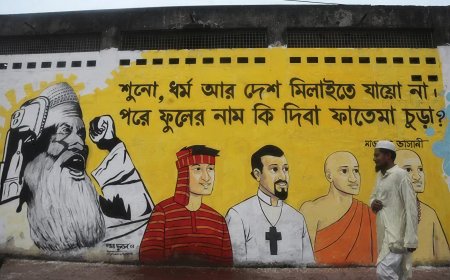
What if Bangladesh's problem isn't the divides themselves? Secular versus religious. Bengali versus Muslim. Shahbag versus Shapla. Aspiration versus stagnation. What if the real problem is our inability to tolerate disagreement at all?
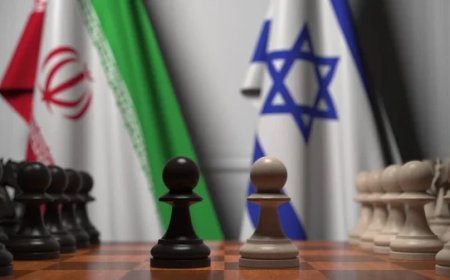
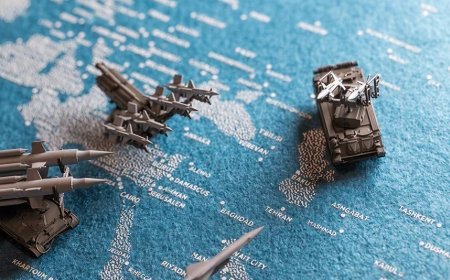
This is not peace. And it is not war. It is the controlled demolition of the Sykes-Picot agreement in favour of an integrated Middle East. Iran is reshaping its internal power structure and regional posture. The Middle East is not descending into chaos. It is being reorganized.