




































































From Ballots to Formation of a New Government: The Real Test of Bangladesh Begins Now
The election is over. The excuses must end. The post-2026 election period will be remembered either as the moment Bangladesh finally chose reform, or as another chapter of deferred responsibility.
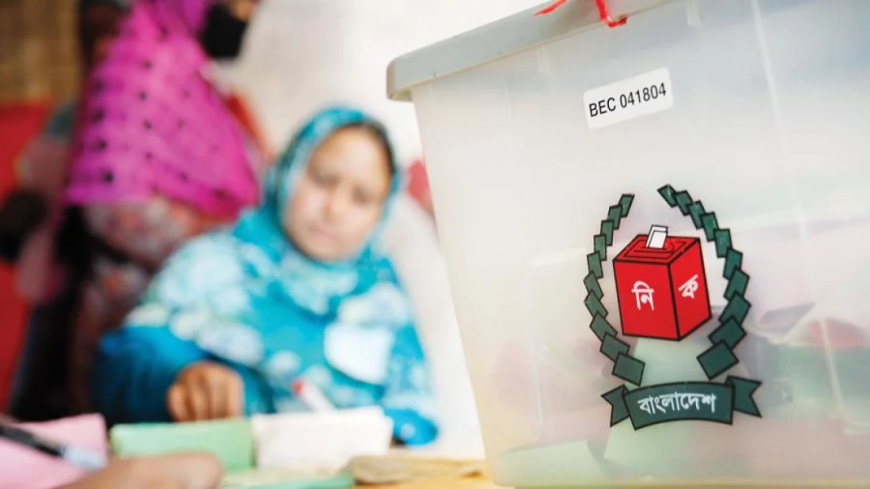
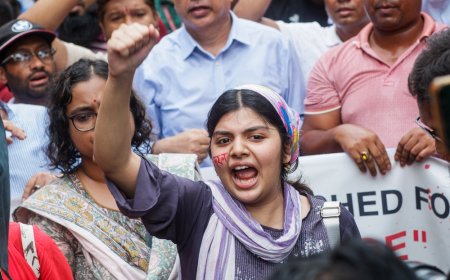
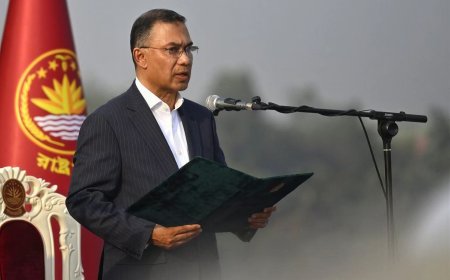
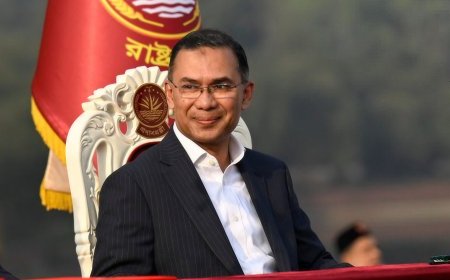
The 2026 national election has concluded, a new government is in place, but Bangladesh now stands before a far greater test. Elections may change governments, but only reform can change a nation’s trajectory. The post-election moment is therefore not a time for complacency or political celebration; it is a moment of reckoning.
Bangladesh must decide whether it will finally confront its long-standing governance failures or continue recycling the same promises, the same excuses, and the same outcomes.
For decades, Bangladesh has shown extraordinary economic resilience and social endurance. Yet these achievements have unfolded alongside persistent democratic deficits, weakened institutions, politicized justice, and a troubling culture of impunity.
The result has been a widening gap between citizens and the state, a gap filled with mistrust, frustration, and disengagement. If the post-2026 election period simply restores business as usual, then the election will have been a missed opportunity of historic proportions.
True reform must begin with an uncompromising restoration of the rule of law. No country can sustain progress when laws are enforced selectively and justice appears negotiable.
The law must apply equally to the powerful and the powerless, the ruler and the ruled. An independent judiciary, credible investigative bodies, and professional law enforcement are not threats to political authority; they are its greatest source of legitimacy. Without legal certainty, democracy becomes hollow and development becomes fragile.
Democracy itself must also be reclaimed from ritualism. Voting alone does not make a system democratic if dissent is constrained, opposition is delegitimized, and internal party democracy is absent. A reformist Bangladesh must protect freedom of expression, assembly, and political competition, not as concessions, but as constitutional obligations.
Governments gain strength not by silencing critics, but by engaging them. Democracies collapse not from too much debate, but from too little accountability.
Human rights must no longer be treated as optional or secondary. The right to life, due process, and personal dignity cannot be sacrificed in the name of stability or expediency. Every allegation of abuse, disappearance, or arbitrary detention, whether proven or perceived, undermines public trust and international credibility.
A reform agenda demands transparent investigations, institutional safeguards, and zero tolerance for abuses of power. A state that respects its citizens earns loyalty; one that intimidates them breeds resistance.
Accountability is the reform Bangladesh has postponed for too long. Political commitments have rarely been matched by consequences for failure. Corruption, misgovernance, and abuse of authority have often gone unpunished, while integrity and competence have received little recognition.
This imbalance corrodes public morality and discourages honest participation in public life. Reform requires a clear principle: Wrongdoing must be punished regardless of rank, and positive performance must be visibly rewarded. Without this, slogans about good governance remain empty.
Strong institutions, not strong individuals, must anchor the new Bangladesh. Institutions that function independently, professionally, and predictably are the only defense against authoritarian drift and policy chaos.
From the civil service to regulatory bodies, reform must prioritize merit, transparency, and continuity. Political leadership should set direction, not micromanage institutions. When institutions are weak, personalities dominate; when institutions are strong, the nation endures.
Honesty in politics is perhaps the most radical reform of all. Citizens no longer expect perfection, but they do expect truth. Admitting mistakes, honoring commitments, and governing transparently are not signs of weakness; they are marks of mature leadership.
A reformist political culture must replace theatrical promises with measurable outcomes and ethical conduct.
The ultimate objective of reform is not merely higher growth figures or international praise. It is the creation of a prosperous, dignified Bangladesh, one where citizens feel secure under the law, respected by their leaders, and confident in their future.
Such a nation will naturally command respect abroad, not because it claims moral authority, but because it practices it.
The election is over. The excuses must end. The post-2026 election period will be remembered either as the moment Bangladesh finally chose reform, or as another chapter of deferred responsibility.
History will not judge intentions; it will judge outcomes. This is the time for courage over convenience, institutions over impulses, and reform over repetition. Bangladesh cannot afford another lost decade.
The work of rebuilding trust, law, and dignity must begin now.
A Gafur, Former Executive Director, The American Chamber of Commerce in Bangladesh