





























































Can India and Bangladesh Start Over?
Modi’s outreach to Tarique Rahman, Dhaka’s invitation for the swearing-in, and Delhi’s decision to send a senior representative all point in the same direction: Pragmatic minds, and a shared recognition that India and Bangladesh do better when they work with each other

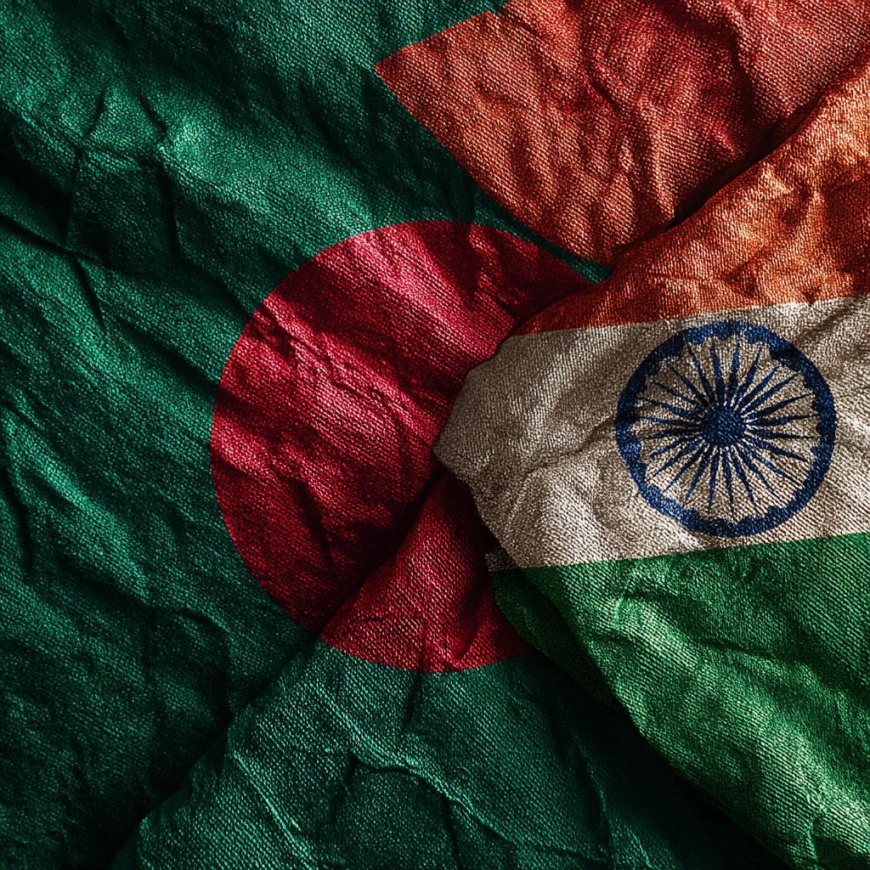
South Asia doesn’t often get a clean reset moment. Too many relationships in our neighbourhood are trapped in either nostalgia or suspicion, reacting to old talking points instead of new realities.
That’s why the India-Bangladesh choreography since Dhaka’s election feels noteworthy: Both sides have largely said the right things, signalled the right intentions, and moved quickly to keep the relationship on track.
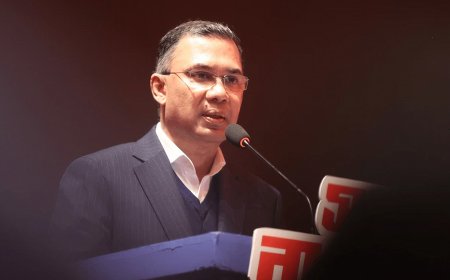
Start with what happened immediately after the verdict. Prime Minister Narendra Modi picked up the phone and spoke with BNP leader Tarique Rahman to congratulate him on his party’s win.
In diplomacy, timing is policy.
A prompt, direct leader-to-leader outreach after a politically consequential election reduces the space for rumours, bureaucratic drift, and adversarial “interpretations” of intent.
It tells Dhaka that New Delhi is prepared to work with the government the Bangladeshi people have chosen, without performative hesitation.
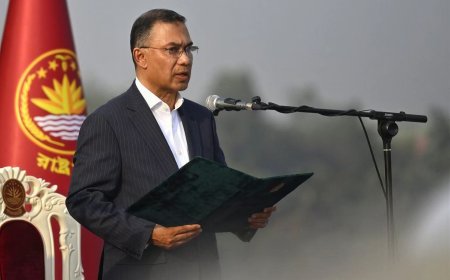
Dhaka’s response also mattered. Bangladesh invited PM Modi to the swearing-in ceremony of the new government, an old but effective signal of political goodwill and regional comfort.
Even when scheduling meant Modi would not be able to attend in person, India decided to be represented at a high level, sending Lok Sabha Speaker Om Birla for the February 17 oath-taking.
That combination, invitation from Dhaka and serious representation from Delhi, keeps the relationship institutional, not personality-driven, and reduces the risk of ties becoming hostage to optics.
There is a deeper story here too, one that began before election night. When former Prime Minister Khaleda Zia’s health became a matter of public concern, Modi publicly expressed concern and offered “all possible support.”
Tarique Rahman, as BNP’s key leader and Zia’s son, acknowledged that this outpouring of support from leaders abroad was a source of strength.
In the hard world of South Asian politics, this kind of humane diplomacy does two things at once: It lowers political temperatures and it creates a small but real reserve of trust that can be drawn upon during tougher negotiations later.
This is why, even if disagreements persist, the current mood is still good news. It is good to see both sides choosing positivity and moving forward, not because it solves every pending issue overnight, but because it restores the habit of engagement.
And habits matter in diplomacy: They determine whether talks become crisis-management, or normal governance.
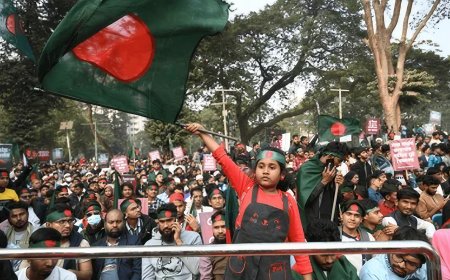
What makes this moment especially important is that it comes after a turbulent period in Bangladeshi politics. A post-election transition is exactly when external actors and domestic spoilers try to weaponize uncertainty, by spreading “Delhi will punish Dhaka” narratives on one side, or “Dhaka must confront Delhi” narratives on the other.
Fast, clear signalling, Modi’s congratulatory call, the swearing-in invitation, the decision to send Om Birla, shrinks the oxygen available to such manipulation.
Now comes the real test: Converting goodwill into a forward agenda. Here, both governments would be wise to focus on three low-drama, high-impact baskets early on.
First, keep the messaging disciplined. The best India-Bangladesh phases have been built on predictable, institutional communication, not social-media brinkmanship.
One reason the recent moves landed well is that they were formal and unambiguous: Congratulations, invitation, representation. That clarity should continue, especially around sensitive issues where misquotes become diplomatic incidents.
Second, prioritize a “people-first” deliverables list. In South Asia, the quickest way to protect a relationship from political swings is to tie it to everyday benefits: Smoother cross-border logistics, predictable trade facilitation, credible border management that reduces harm to ordinary people, and visible cooperation on shared challenges.
These aren’t glamorous, but they make ties resilient.
Third, separate legacy disputes from the new trust-building cycle. Water-sharing, border incidents, and domestic political narratives are real, and will not vanish.
A smart approach is sequencing: Build confidence through quick wins and regular engagement, while placing complex legacy issues into structured, time-bound negotiating tracks. The point isn’t to postpone them forever; it’s to prevent them from hijacking everything else.
To be clear, optimism is not naïveté. Bangladesh’s new political era will understandably want a relationship with India that feels dignified, reciprocal, and responsive to Bangladeshi public sentiment.
India, for its part, will want assurances that regional stability and security cooperation remain strong, and that anti-India extremist narratives don’t gain space in the mainstream.
These are not incompatible goals, if both sides resist the temptation to “win” the relationship and instead choose to manage it.
The encouraging part is that the opening signals have been mature. Modi’s outreach to Tarique Rahman after the election, Dhaka’s invitation for the swearing-in, and Delhi’s decision to send a senior representative all point in the same direction: Steady hands, pragmatic minds, and a shared recognition that India and Bangladesh do better when they work with each other, not around each other.
In a region where distrust is often the default setting, that is not a small achievement. It is, in fact, the right move, by both sides.
Rishi Suri is the chief editor at The Daily Milap, one of India's oldest and largest Urdu language newspapers. He can be reached at [email protected].