

























































How the NCP-Jamaat Alliance Faltered by Forsaking the 1971 Narrative
The 2026 electorate delivered a clear message: A revolution can topple a regime, but it cannot govern by erasing the cultural DNA of its people. Voters chose a path of stability, signaling that while they were ready for a new chapter, they were not ready to rip out the first pages of the book.


The results of the February 2026 elections have delivered a sobering verdict to the National Citizen Party (NCP) and its ally, Bangladesh Jamaat-e-Islami.
What the bloc insistently brands as the Alliance of the Revolution failed to capture the mandate it believed was its birthright. While the alliance campaigned on the high-octane energy of the July 2024 uprising, it fundamentally misread a nation that refuses to treat its foundational history as a secondary concern.
1971 is Not Disposable
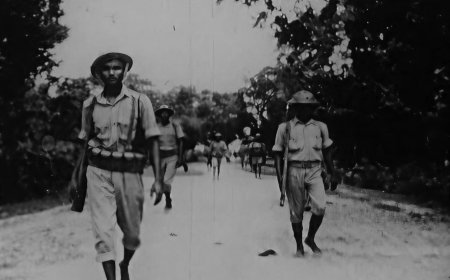
The primary strategic blunder of the alliance was the attempt to treat the 1971 narrative as disposable. For over a decade, the previous regime weaponized the Liberation War to exclude dissent, making a re-negotiation of that history necessary to strip away partisan monopolies. However, the NCP-Jamaat alliance went too far. They didnt just re-negotiate it, they attempted to bypass it entirely.
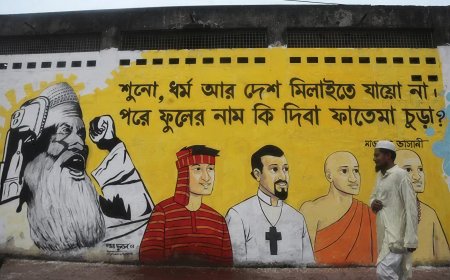
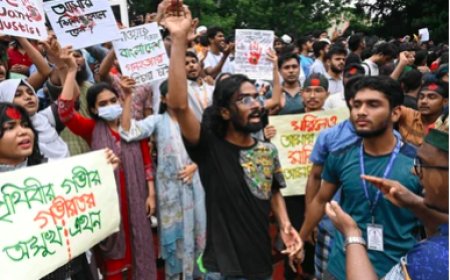
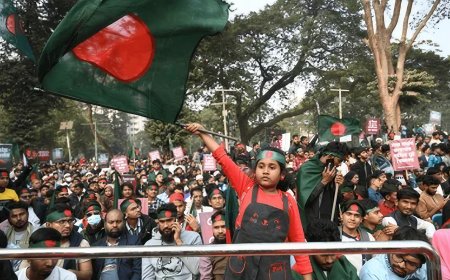
During the heights of the 2024 protests, the streets didnt echo with slogans of erasure. They resonated with the haunting strains of “Karar Oi Louho Kopat” and “Muktir O Mondir O Shopano Tole.” The graffiti of the July Revolution was not a replacement of 1971, but a reclamation of it.
By drawing parallels between the resistance of 2024 and the sacrifice of 1971, casting the autocratic forces of the present in the shadow of the 1971 oppressors, the movement had found its moral weight.
But when the NCP tethered itself to Jamaat, it signaled that the 1971 soul of the country was an inconvenient relic to be sidelined. This attempt to uproot the country’s cultural DNA was perceived by many as a massive, unnecessary disruption that the public was no longer willing to afford.
The Gender Gap and the Mainstream Exodus
This disconnect was most visible in the alliance’s alienation of women, who were the heartbeat of both 1971 and 2024. Just as women played an indispensable role in the Liberation War, from the front lines to the diplomatic corridors, they were the intellectual and physical vanguard of the July uprising.
The NCP’s marriage of convenience with a major conservative force like Jamaat, punctuated by recent regressive comments from Jamaat leadership regarding working women and female leadership, created an ideological friction that became untenable.
The high-profile resignations of candidates like Tasnim Jara and Tasnuva Jabeen, who joined the NCP to help build a new political culture, served as the canary in the coal mine.
Their withdrawal from the party’s ranks was symbolic of a broader exodus; when figures like Tasnim Jara opted to run as an independent rather than remain within the alliance, it underscored a terminal break between the NCP and its most modern, relatable faces.
The alliance was no longer seen as a vanguard of a pluralistic future, but as a regression that threatened the hard-won agency of Bangladeshi women.
Stability Over Permanent Revolution
The attempt to uproot 1971 from the national consciousness was not just a cultural miscalculation; it acted as a catalyst for a deeper sense of political and economic instability. By treating the country’s foundational narrative as a disposable reset button, the movements vanguard signaled a preference for ideological disruption that many feared would lead to endless upheaval. For the common man, this focus on symbolic erasure felt increasingly disconnected from the desperate need for stability.
While the interim administration, heavily influenced by NCP voices, pushed through significant macro-reforms like those contained in the July National Charter, these successes are yet to filter down to the street level. In the corridors of police stations, land offices, and local administrative hubs where ordinary people seek justice and service, the predatory practices of the past often persisted or became even more difficult to navigate during the transition.
This growing gap between revolutionary rhetoric and stagnant ground-level reality became a weight the NCP-Jamaat electoral alliance could not lift. Although Jamaat was not officially part of the interim setup, the NCP’s prominent role in the administration meant they were held accountable for a period defined by economic stagnation and a perceived lack of law and order. As investment hit a low and the promise of a post-revolution boom gave way to job losses, the public began to view the revolutionary fervour as a source of their daily anxiety.
The rise in unnecessary blockades, mob attacks and the general sense of lawlessness further convinced the electorate that while the movement was capable of dismantling an old order, its political heirs were struggling to build a functioning new one. Ultimately, the people chose a return to stability, signalling that they could not afford a permanent revolution that threatened to rewrite their history without fixing their present.
The Price of Uprooting
The attempt to uproot the spirit of 1971 from the national consciousness proved to be the alliance's ultimate undoing. By treating the country’s foundational narrative as an inconvenient relic to be sidelined, the NCP and Jamaat indicated a preference for a brand of ideological disruption that the public, already weary of chaos, simply could not afford.
The 2026 electorate delivered a clear message: A revolution can topple a regime, but it cannot govern by erasing the cultural DNA of its people. Voters chose a path of stability, signaling that while they were ready for a new chapter, they were not ready to rip out the first pages of the book.
The author is a Barrister-at-Law and Advocate, Supreme Court of Bangladesh.