






































































The Power of a Truly Elected Government
In the final analysis, a truly elected government is powerful not because it controls the state machinery, but because it commands the consent of the governed. That consent, however, is not permanent; it must be earned every day through performance, integrity, and humility.

A truly and politically elected government is inherently stronger, more legitimate, and more resilient than any unelected administration or one born out of a rigged electoral process.
Its authority flows directly from the people, the only source of sovereign power in a democracy. This distinction is not merely theoretical; it defines the capacity of a government to govern, reform, and unite a nation.
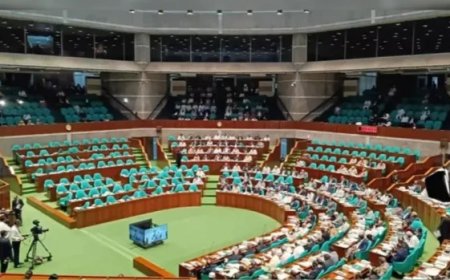
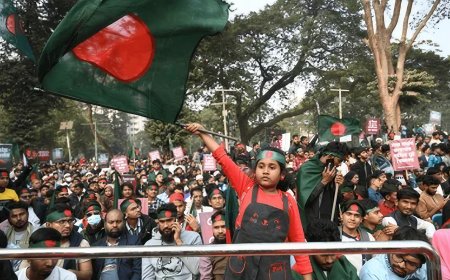
In February 2026, Bangladesh and the world witnessed something long awaited: A broadly credible national election after more than one and a half decades. For the first time in many years, millions of citizens, particularly young and first-time voters, were able to exercise their constitutional birthright in a parliamentary election.
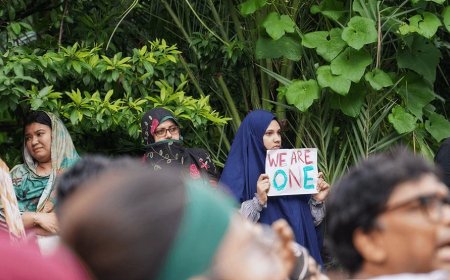
For them, it was not just a vote cast; it was a moment of ownership, dignity, and renewed faith in the democratic promise of Bangladesh. The excitement was palpable at home and closely observed abroad.
Elections, however, are not an end in themselves. They are the beginning of responsibility. With the conclusion of the election, the burden of expectation has now squarely shifted to the elected government, led by the BNP. Having received a mandate from the people, this government now carries not only political power but also a profound moral obligation: To govern in a manner that justifies the trust placed in it.
History teaches us that governments lacking electoral legitimacy may wield authority, but they rarely command respect. They struggle to build consensus, to implement painful yet necessary reforms, or to inspire sacrifice from citizens. In contrast, a genuinely elected government possesses the political capital to take bold decisions, provided it remains accountable, transparent, and responsive to the will of the people.
Bangladesh today stands at such a crossroads. The expectations are sky-high, and rightly so. Years of democratic deficit, institutional weakening, economic stress, and erosion of public trust have accumulated into a heavy national burden. The electorate did not vote merely for a change of faces; it voted for a change of direction.
The most urgent task before the new government is economic revival. Ordinary citizens are grappling with inflation, job insecurity, and declining purchasing power. Young people, who formed a significant portion of the new voters are anxious about employment, education, and opportunities at home rather than abroad.
Stabilizing the macroeconomy, restoring investor confidence, ensuring energy security, and protecting the most vulnerable must therefore be top priorities. Economic growth must not only be achieved; it must be felt.
Equally critical is the uncompromising fight against corruption. Corruption is not just a moral failure; it is an economic tax on the poor, a deterrent to investment, and a corrosive force that weakens institutions from within. A truly elected government has both the legitimacy and the obligation to confront this challenge head-on without fear or favour, and without selective justice. The public will judge sincerity not by rhetoric, but by action.
At the heart of sustainable reform lies the establishment of the Rule of Law through an independent and credible judiciary. No democracy can flourish where laws are applied unevenly or where justice is perceived as partisan. Restoring confidence in the justice system by ensuring judicial independence, due process, and equality before the law will be a defining test of this government’s commitment to democratic governance. This is not only a constitutional requirement; it is a moral imperative.
Beyond institutions and policies, the government must also demonstrate a new political culture; one grounded in tolerance, dialogue, and respect for dissent. Democracy does not end with winning elections; it is sustained by how power is exercised afterward. The opposition, civil society, media, and citizens must be allowed the space to question, criticise, and contribute without fear.
Internationally, the credibility of the 2026 election has reopened doors. Bangladesh now has an opportunity to reassert itself as a responsible democratic state, attract investment, strengthen trade relationships, and engage with the global community from a position of renewed legitimacy. This opportunity must not be squandered.
In the final analysis, a truly elected government is powerful not because it controls the state machinery, but because it commands the consent of the governed. That consent, however, is not permanent; it must be earned every day through performance, integrity, and humility.
The people of Bangladesh have done their part by voting. The world has taken note. Now the moment of truth has arrived for the elected government; to translate a historic mandate into tangible progress, restore trust in institutions, and lay the foundations of a just, democratic, and prosperous Bangladesh. History will be watching, and so will the citizens who placed their hope at the ballot box.
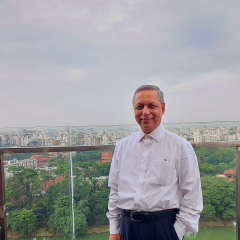
A Gafur is a former Executive Director, The American Chamber of Commerce in Bangladesh.