















































What the Iran War has Wrought
Not only must the war around the world be stopped, but any illegitimate war anywhere in the world must also be treated as a war against humanity.

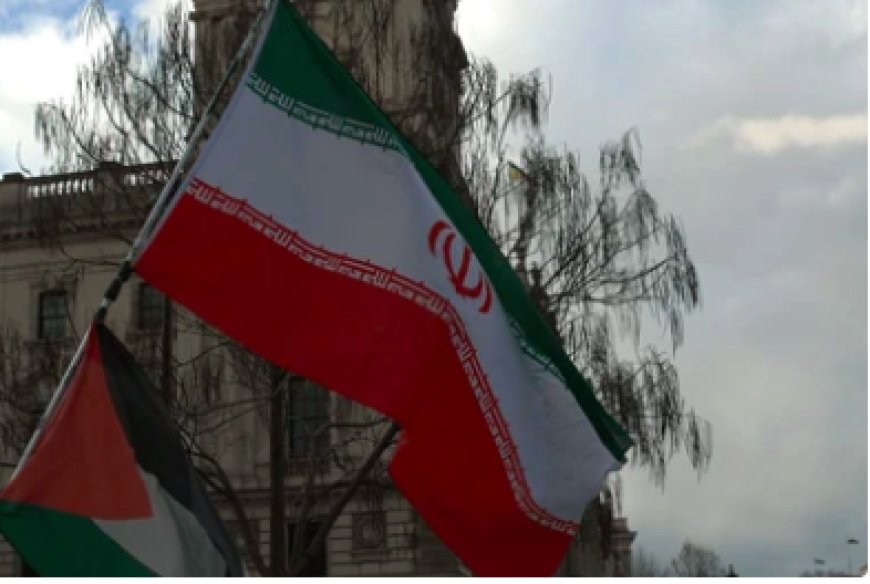
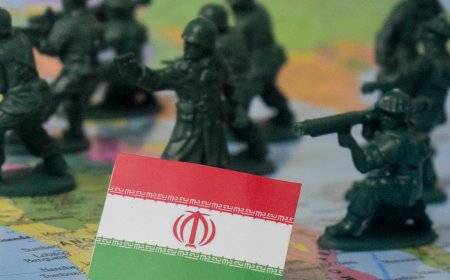
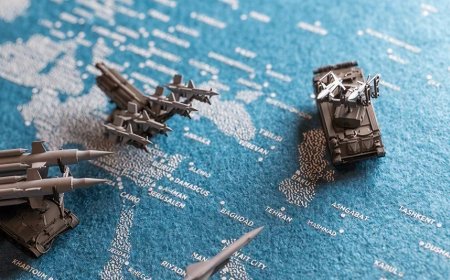
The unlawful war on Iran in March 2024 is not only unprecedented morally, but it has huge geopolitical implications to reshape the global politics and economy.
Amid the inconclusive ceasefire and uncertainty about the resumption of the war, the two global leaders were at the Beijing Summit to decide on the world's future and address their concerns about politics and the economy.
While Xi Jinping was scholarly in calling on Trump to avoid Thucydides’ Trap, positioning China as the rising power and implicitly indicating the likely decline of the American Empire. Trump, on the other hand, was unusually polite to ensure that it had its share of global trade and product sales in China.
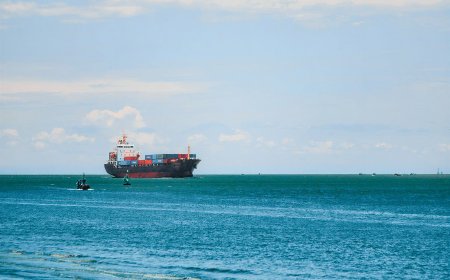
Other great powers and middle powers are frantically hoping for an earlier end to the war to help their respective economies. The global concerns are the interrupted flow of energy and other goods through the Strait of Hormuz, the rearrangement of global power affected by the war, conjecture about the future of fiat currency, and how soon the global oil price will plummet to help return to normalcy.
International Relations are not only founded on realism but also largely transactional. The countries involved in mediation are busy reasserting their political influence and maximizing economic benefits. The militaries of the world are reorganizing their doctrine and weapons policies to fight future wars based on the lessons of the Iran War.
There is barely any expression in literature appearing on the post-Iran War on Jus de bellum and Jus in bello, the right cause and ethics in war.
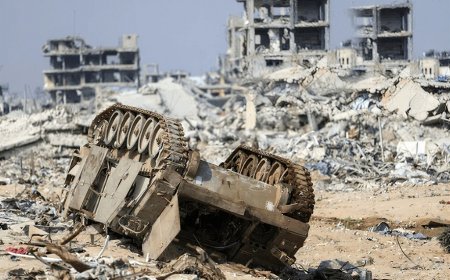
The unjust war on Iran announced targeting nuclear facilities and a change of regime, but in reality, it attacked more on civilian facilities, unknown how they could reinforce in the achievement of the announced target.
According to Article 8 of the Fourth Geneva Convention, attacking or targeting hospitals, medical centers, and relief service facilities during wartime is prohibited. Any attack on these facilities is a clear violation of international human rights law; concerns about this didn’t make much of the headlines in the global mainstream media industries, except on social media.
A conversation in X handle between Dr. Masoud Pazeshkian, the President of Iran, and Dr. Hanan Balkhi, the Mediterranean Regional Director of WHO, explains well. The President of Iran says, ’What message does attacking pharmaceutical companies and the Pasteur Institute as a medical research institute in Iran convey?
’ The Director of WHO expressed his concerns and warned the WHO that it is an attack on the global health system. Iranian Minister of Health and Medical Education Dr. Mohammad Reza Zafrghandi and Deputy Minister of Health Dr. Ali Jafarian expressed their expectation that the WHO would condemn the war crimes.
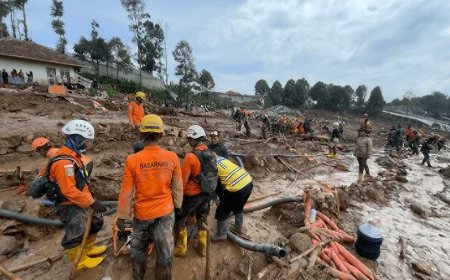
There were bombings at 49 medical centers, 55 emergency bases, 121 ambulances, and 226 health centers, which seriously damaged the health system of Iran across its various provinces, according to the Iranian Red Crescent.
Among the major damages caused were: Tehran University of Medical Science and Health Service, Alborze University of Medical Science and Health Services, Ilam University of Medical Science and Health Services, Keramanshah University of Medical Science and Health Services, Isfaahan University of Medical Science and Health Services, Bushehr University of Medical Science and Health Services, Shiraz University of Medical Science and Health Services, Ahvaz Jundishpur and Behbahan University of Zanjan University of Medical Science and Health Services.
Qom University of Medical Science and Health Services, Lorestan University of Medical Science and Health Services, Hamedan University of Medical Science and Health Services, Urmia University of Medical Science and Health Services of West Azerbaijan province, Tabriz University of Medical Science and Health Services of East Azerbaijan province, Kordestan University of Medical Science and Health Services of Kordestan Azerbiijan province, Hormozgan University of Medical Science and Health Services, were badly hit.
Besides, there were airstrikes on the Pasteur Institute of Iran and the Tawfiq Daru Pharmaceutical Company. Besides the medical facilities attack, there were airstrikes at more than 100 passenger and cargo facilities, 149 cultural heritage sites, and more than 5 bridges and transportation infrastructures.
There is minimal hope that the war crimes and the criminals will be taken to the International Court of Justice and prosecuted; the headlines will rather cut across who wins the geopolitical race and controls the global economy.
That there is a humanitarian crisis in the land of Iran is not the global clamor as much as the control of the Strait of Hormuz.
That there is a greater need in Iran for doctors, medicine, and the immediate reconstruction of medical facilities doesn’t resonate much with the oil price spike.
That there is a health crisis in Iran, no less severe than COVID, isn’t the issue; it's the sound of the supply chain interruption. Not only must the war around the world be stopped, but any illegitimate war anywhere in the world must also be treated as a war against humanity.
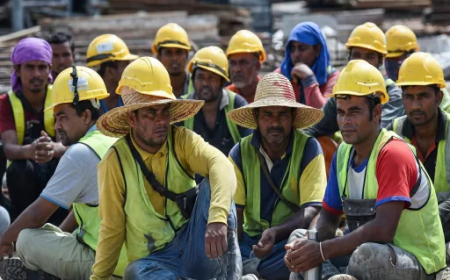
It is imperative for all small countries to align with this concept to ensure their security. There are doctors and skilled professionals in Bangladesh seeking employment abroad in reconstruction, which can be of great benefit not only to humanitarian support but also to the country's sick economy.
The foreign policy approach of the current dispensation, ‘Bangladesh First,’ aligns well with the extended hands of assistance in the crisis in Iran and enhances diplomatic diversity. The diplomatic prudence, better late than never, could help manage friends and foe together.
Brigadier General AF Jaglul Ahmed (Retd) is a regular contributor to national dailies. He can be reached at [email protected].