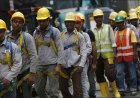
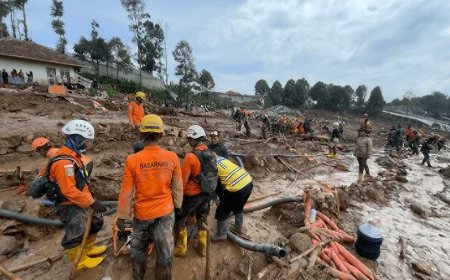

















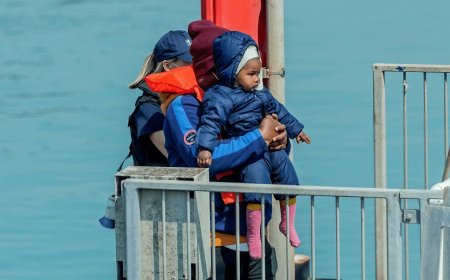
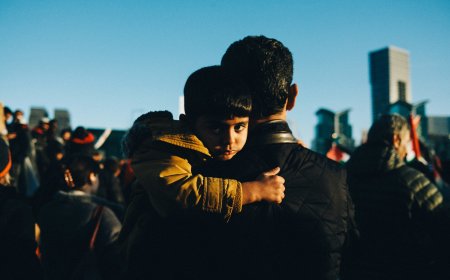




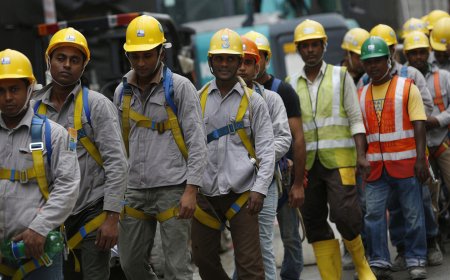





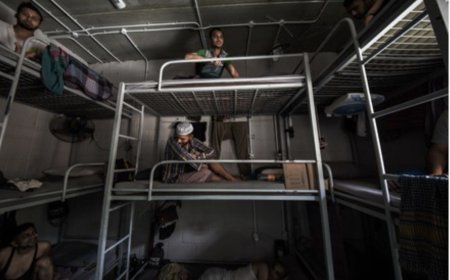



































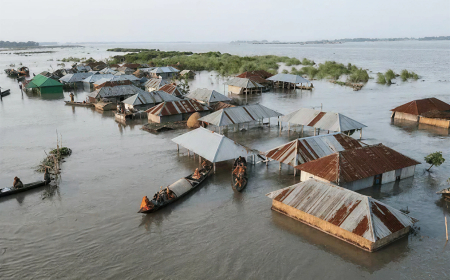
Climate mobility should not be viewed exclusively through the lens of loss and displacement. When supported by effective policies, mobility can contribute to economic development, strengthen resilience, and expand opportunities for affected populations.
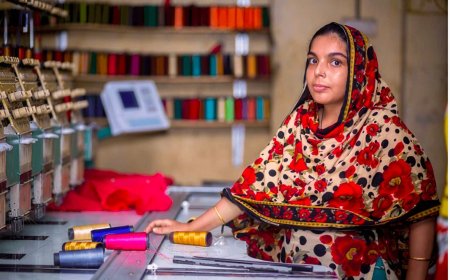
A financially free woman is not simply one who earns. She is one whose contribution is recognised, who has meaningful control over economic resources, and who has genuine freedom to decide how her time, work and money are used.
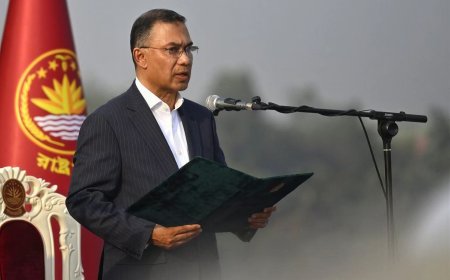
Public confidence in the future is still stronger than satisfaction with current delivery. That “expectation premium” is a political asset -- but a time-limited one.

If essential medicines remain outside effective price control, public health will depend less on policy -- and more on what patients can afford. For many Bangladeshis, that is not a sustainable equation.

The Charter belongs to no party. Whoever channels public impatience into pressure for its implementation will own ground nobody else is contesting.
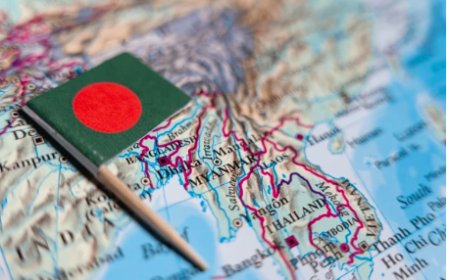
If autonomy matters only in relation to one great power while compliance with another is rebranded as "technical cooperation," then Bangladesh has not escaped dependency. It has merely changed its address.

The government is still following the crawling peg system, allowing the exchange rate to vary between lower limit and higher limit with the difference with the market rate no more than a Taka.

If the chair simply remains empty, the summit proceeds, other states advance their interests, India absorbs the symbolism without changing its behaviour, and Bangladesh returns home with little more than domestic applause, then it was not leverage. It was an opportunity lost.

An enforced disappearance can be prosecuted under the ICT Act only when it forms part of a widespread or systematic attack directed against a civilian population. Standalone cases of enforced disappearance committed by state officials fall outside this framework.

The future of work is arriving faster than many expected. The future of Bangladesh will depend on how effectively its youth are prepared to meet it.
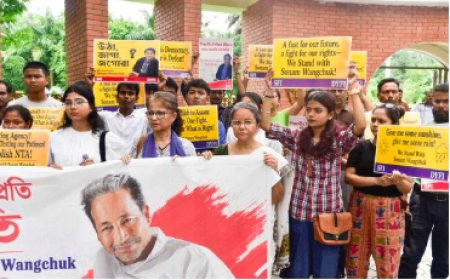
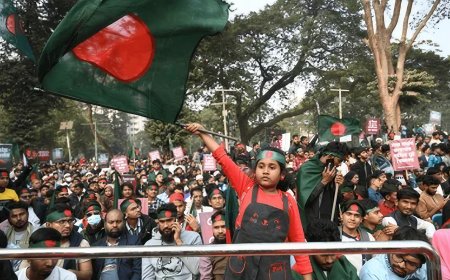
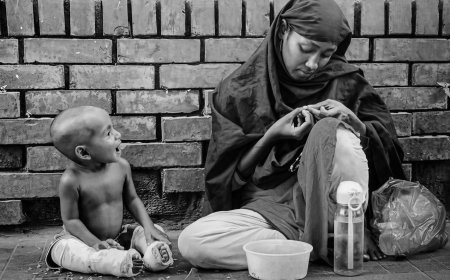
Democracy is ultimately sustained not merely by constitutions or institutions but by public trust. Once that trust begins to starve, feeding the body alone is never enough. The institutions themselves must learn to nourish hope before protest becomes the only language left.

My experiences convinced me that Singapore's greatest achievement lies neither in its skyline nor in its wealth. It lies in how it develops its people. That is why, whenever Bangladesh debates education reform, my thoughts return to Singapore.

As the prime banking regulator, Bangladesh Bank should reconsider this directive. At the bare minimum, it can remove SME loans from it, just like consumer loans were omitted. Ideally, scrapping the regulation altogether and replacing it with a policy rate cut would be a better way to bring down lending rates.
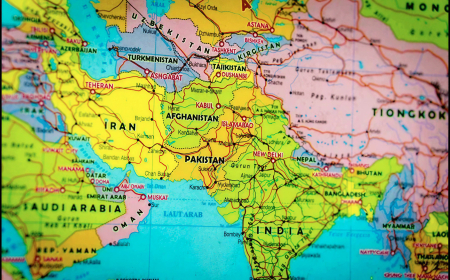
History has placed South Asia and the Indian Ocean Region at the centre of 21st-century global transformation. The region's future lies not in choosing between competing powers but in pursuing inclusive modernization, strengthening regional partnerships and leveraging the unique strengths of individual nations

Allowing foreign operators to participate in outward remittances -- under a controlled and bank-intermediated framework -- could be a game-changing policy shift.

The more important question is whether technology and outcomes should be treated as equivalent. Installing thousands of surveillance cameras is not the same as creating a safe society.