



















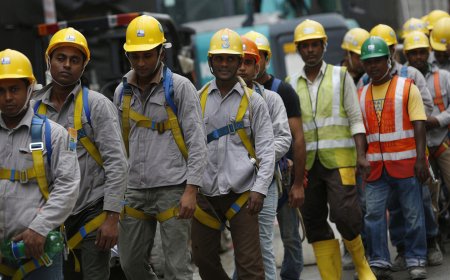




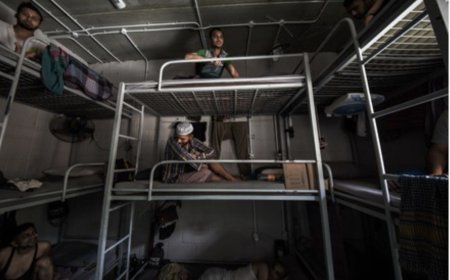
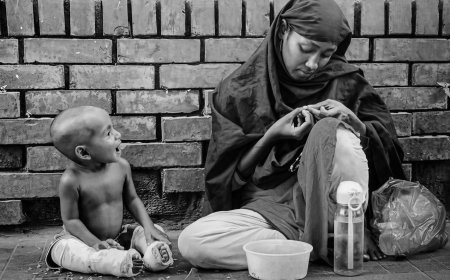
































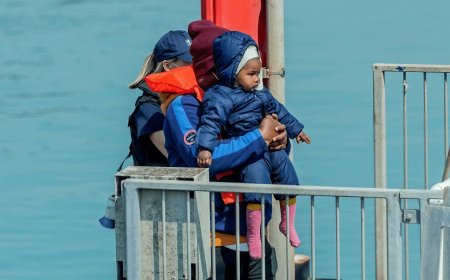
Migration is not a machine for enriching Britain and it is not draining it either. The sums are small, and what decides them is what people are paid.
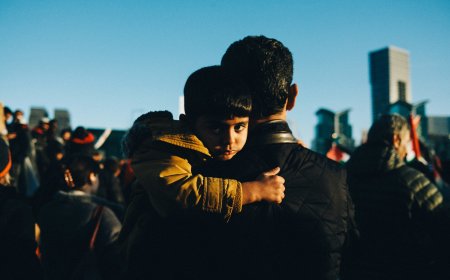
Ordinary people in Britain have plenty to be angry about. Those grievances are real, and I hear them often. The question is who caused them, and whether the evidence supports the claim that migrants are draining the country.
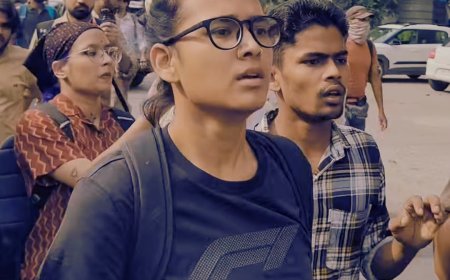
Bora's story reminds us that student politics is not necessarily a rehearsal for mainstream politics. It can be a laboratory for a different kind of politics, one in which the boundary between campus issues and national questions is increasingly blurred.
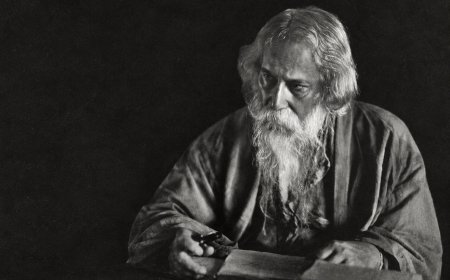
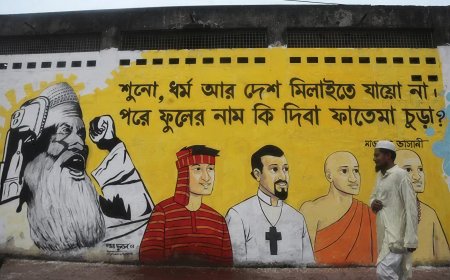
The development of Bengali nationalism around Rabindranath cannot be understood merely as a Hindu-Muslim cultural conflict. It was intertwined with language, power, and the right to determine one’s own identity.

Bangladesh’s weakest areas are human capital and research (127th), business sophistication (125th) and institutions (113th). The second deserves the most attention, because it shows exactly where the system breaks.
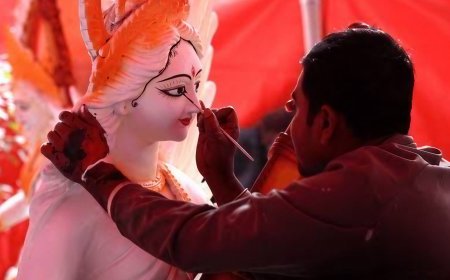
If Puja holidays damage the economy, calculate the economic cost of holidays demanded for one's own religious occasions as well. If religious processions blocking roads are unacceptable, demand the same rule for every religious and political gathering.
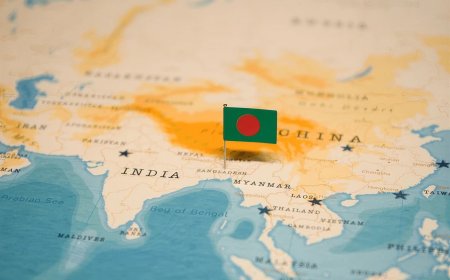
Foreign policy is ultimately not an accounting exercise in who loves us. It is about identifying where interests converge, where they conflict, what each relationship can deliver, what risks it creates, and how those relationships can be converted into bargaining power for Bangladesh.
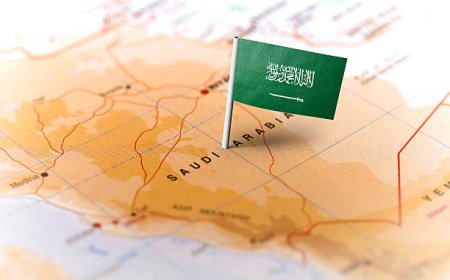
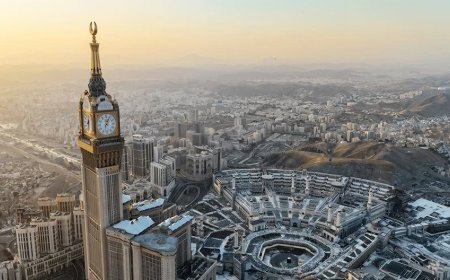
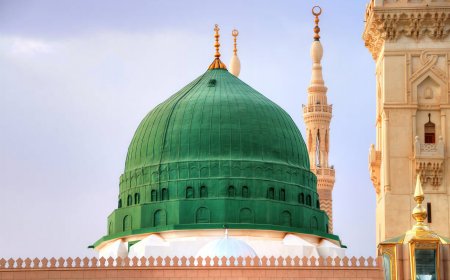
So the question becomes: If Bangladesh joins the Mecca Pact, which of its immediate security problems will be solved? My answer: Not very many.
The moment may have arrived for Dhaka to turn India’s need for regional legitimacy into an opportunity to reset the relationship on a more balanced and multi-lateral footing.
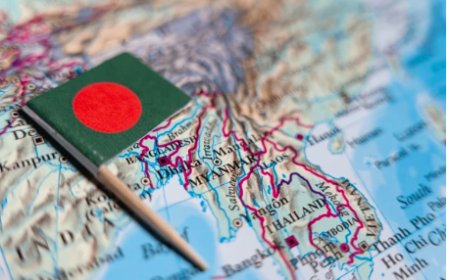
If autonomy matters only in relation to one great power while compliance with another is rebranded as "technical cooperation," then Bangladesh has not escaped dependency. It has merely changed its address.

If the chair simply remains empty, the summit proceeds, other states advance their interests, India absorbs the symbolism without changing its behaviour, and Bangladesh returns home with little more than domestic applause, then it was not leverage. It was an opportunity lost.
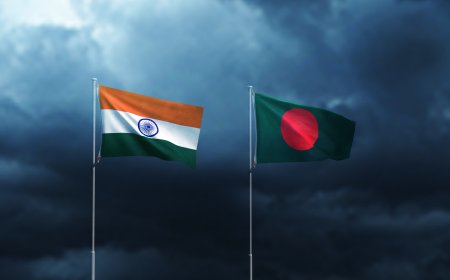
As Hasina professes a desire to return to Dhaka, then both governments should commit to taking steps to allow her to do so. Not as a returning prodigal daughter, but as a fugitive accused and convicted of crimes against humanity.
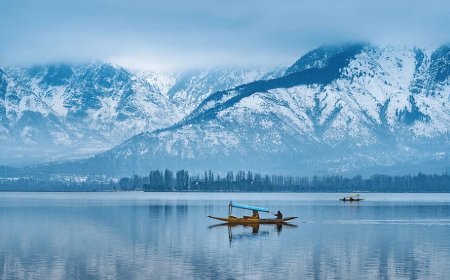
India says Kashmir is an integral part of its territory. Pakistan says it is an unfinished international dispute. Global powers treat it as a question of regional security. But Kashmiris themselves still do not possess an equal role in determining their political future.
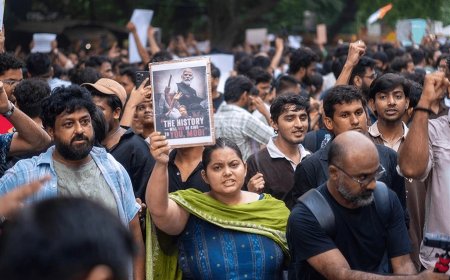
The BJP might be on the backfoot now but the protesting students are aware of how long their struggle to reform education might take.
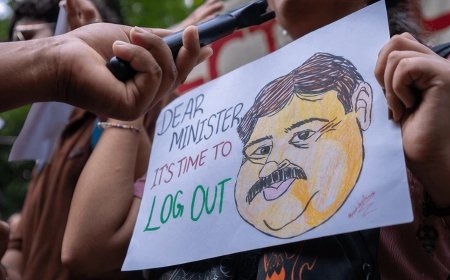
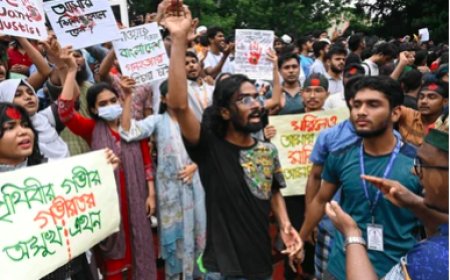
When chronically online youth took to the streets, they stripped the state’s harshest response of the fear it was meant to inspire.

For many youngsters, political awareness began with doubts, arguments with parents and learning to think for themselves with the help of social media.