

















































When Leadership Shares the Road
Sometimes the most revealing view of a country is not from above, but from within the flow of its everyday life

There was a time when kings had a rather inconvenient habit. Every now and then, they would step out of their palaces not for war or ceremony, not even for inspection but simply to see how their people lived. Often, they went in disguise, setting aside the visible signs of authority in order to experience the city as it really was.
In stories of Harun al-Rashid, the ruler of Baghdad is said to have wandered through the streets at night, listening to conversations that never reached the court.
In accounts of Akbar, the emperor appears among ordinary citizens, curious about lives that rarely entered imperial records.
Whether these stories are entirely factual is less important than what they suggest. These rulers were not looking for spectacle. They were looking for something harder to obtain, an unfiltered sense of reality.
Inside a palace, things tend to make sense. Reports are structured, numbers are reassuring, and advice is carefully framed. Problems arrive summarized, often already softened. The world appears orderly and aligned with intention.
Outside, it is less tidy. The city speaks in fragments, in the impatience of traffic, in the quiet calculations of a shopkeeper, in the daily balancing of time, cost, and uncertainty that shapes ordinary life.
Power, by its nature, creates distance. Protocol grows, security tightens, and layers form between leadership and lived experience. From that distance, a country can appear more stable and predictable than it actually is. The rulers who stepped outside were, in a way, compensating for that gap.
Today, that distance has not disappeared; it has simply changed form. Governments rely on dashboards, indicators, and data systems that offer real-time visibility into national trends. But data, for all its usefulness, does not always capture experience. A congestion index can measure delays, but it does not convey what it feels like to sit through them. Inflation can be calculated, but its meaning is often better understood in a crowded market than in a report.
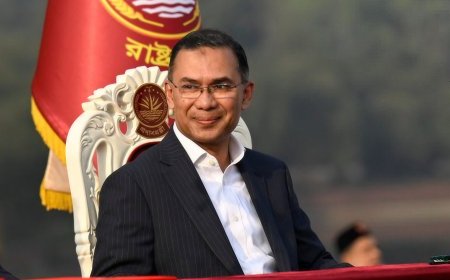
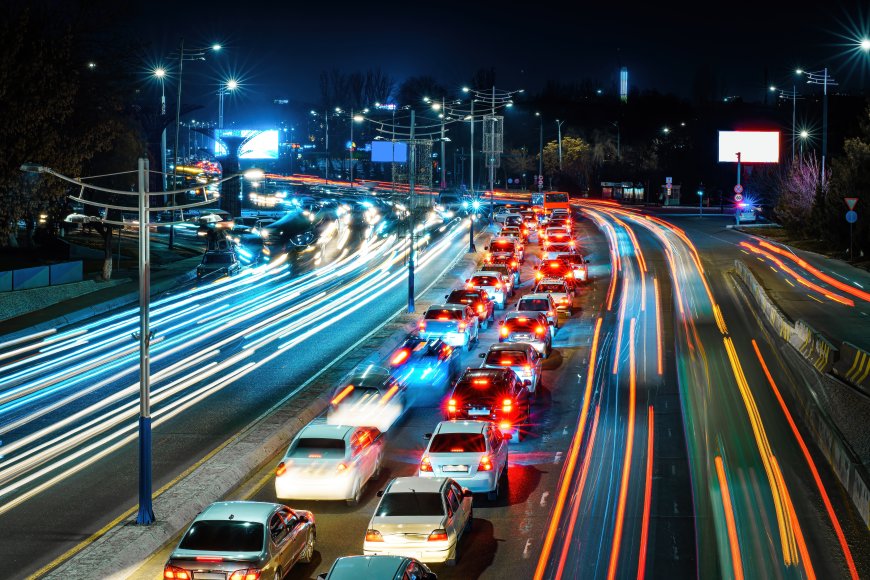
Against this backdrop, even a small departure from the usual rhythm of power can stand out. One afternoon, in the middle of a city that knows traffic all too well, a dark car moved with the flow. It did not clear the road ahead or suspend the rules for others. It stopped at signals, moved forward when space opened, and waited like everything else around it. Buses edged forward, rickshaws found their way through narrow gaps, motorbikes advanced with familiar urgency. Nothing about the scene appeared unusual; except, perhaps, that it was.
A single moment like this does not mean much on its own. Symbolism is easy; consistency is harder. The rulers in those old stories are remembered not because they did this once, but because they kept doing it.
Which is where the real question lies. If such moments are not isolated, if they reflect a genuine effort to stay close to everyday life, what might follow?
At the very least, expectations should change. Decisions may begin to reflect what is actually observed, not just what is presented. Policies could become more grounded in the frictions people encounter daily. Institutions might respond earlier if signals from the ground are noticed before they turn into larger problems. Over time, the distance between authority and ordinary life can narrow -- not dramatically, but in ways that people notice.
The streets themselves offer little room for abstraction. They carry the weight of daily life: Long commutes, tight margins, small negotiations, quiet adjustments. To move within that space, even briefly, is to encounter a version of the country that no summary can fully capture. To return to it regularly is to learn from it.
The lesson in those old stories was never really about disguise. It was about proximity. Leadership, at its most effective, finds ways to remain close to the society it serves.
There are, in any era, two ways of seeing a country -- one from above, where patterns align neatly, and one from within, where life unfolds as it actually is. The difference is not just perspective; it is understanding.
So when a car moves with traffic, it may seem like a small detail. But its significance lies in what it could lead to.
A leader who sees the country through a windshield may ultimately serve it better than one who sees it only through reports. The real test lies in what follows.
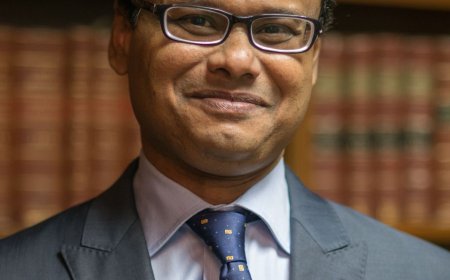
Yasir Azman is Chief Executive Officer at Grameenphone Ltd.