




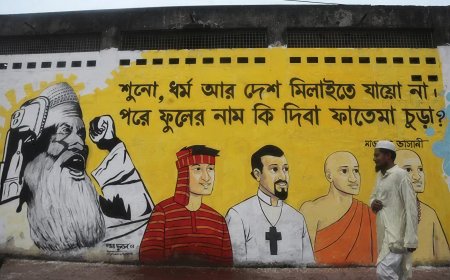



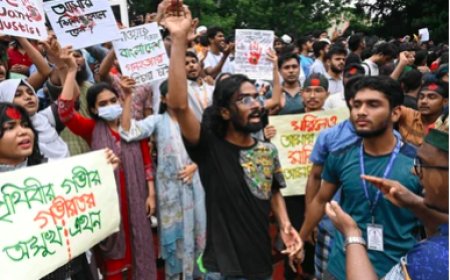





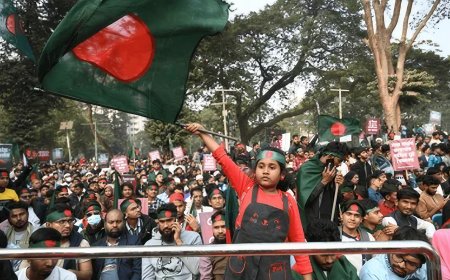



































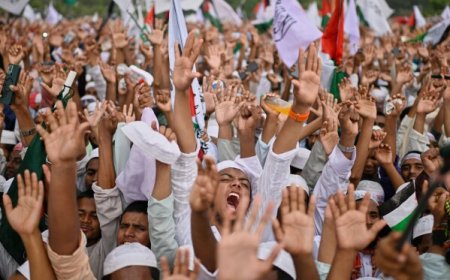
It is very true that the religious right in Bangladesh have found a new voice that had been brutally suppressed by Sheikh Hasina all these years, and that the group has now taken the opportunity to abuse this new-found freedom.
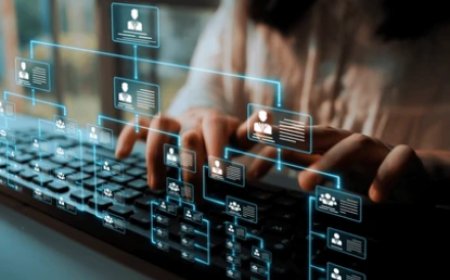
At a time when investor confidence is closely tied to perceptions of policy stability and transparency, a structured and inclusive engagement framework sends a powerful signal. It tells both domestic and international investors that policymaking is consultative, predictable, and responsive.
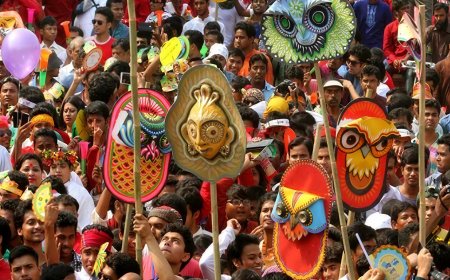
If belief is so fragile that papier-mâché masks and symbolic animals can threaten it, the problem lies not with the procession, but with the insecurity of that belief.
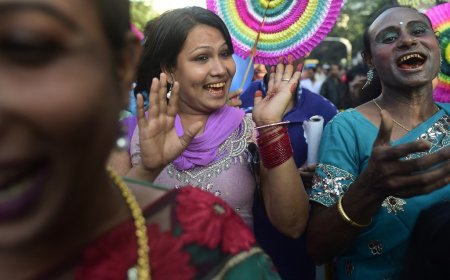
A person’s sexual orientation is an innate characteristic of that person and must not be a basis for discrimination.

In Episode 10 of Counterpoint Generations, Zafar Sobhan and Professor Rehman Sobhan examine a range of pressing legal and political developments shaping Bangladesh today.
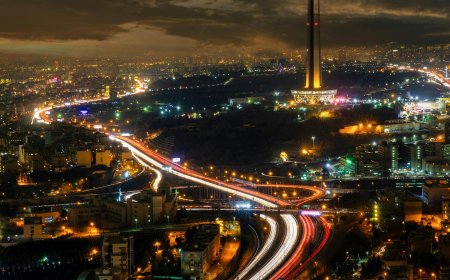
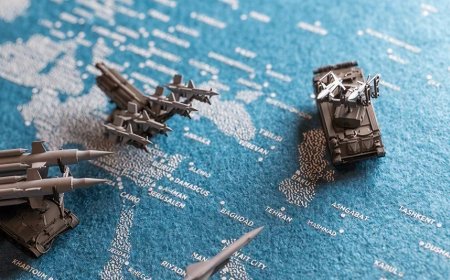
Iran is more than just a state; it is a civilization capable of developing a new system or model that others might follow, beyond the Westphalian framework. Without wise leadership, the ongoing conflict could not only lead the world into a prolonged economic downturn but also reshape global power balances.

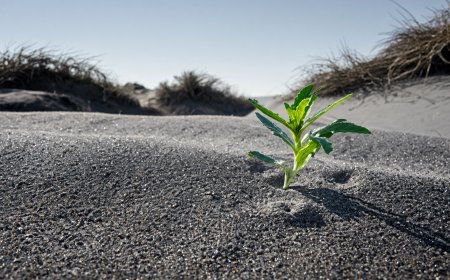
Societies in exile may not yet find their way home. But exile, once recognized, need not end in disappearance. It can become watchfulness, and watchfulness, has often been the difference between mere survival and quiet renewal.
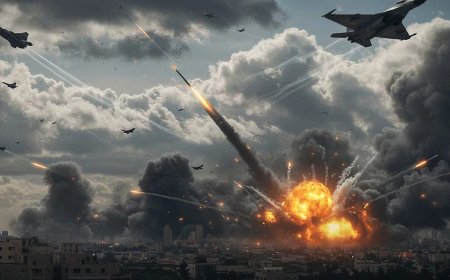
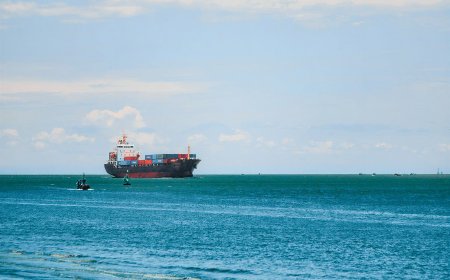
From the Strait of Hormuz to the Bay of Bengal, the United States is fighting a war it has never fully declared -- one waged not against Tehran or Caracas, but against the architecture of a Chinese-led economic order.
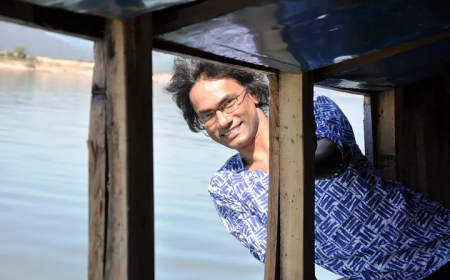
Left out of consciousness was a group of people who possibly constitute up to 5-10% of the country’s population. This group is none other than the LGBTQIA+ people who have always been part of the society, but lived clandestine lives of lies until only a decade or so ago.
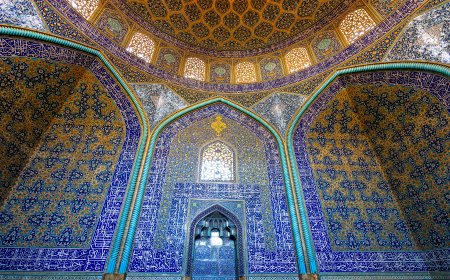
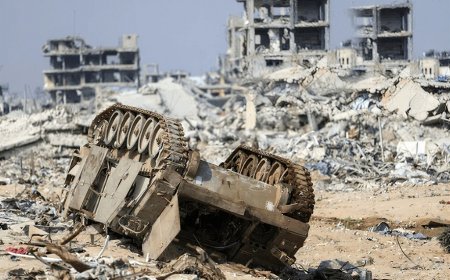
Iran is delivering a master class in asymmetric warfare with real life military, geographic, and economic consequences.
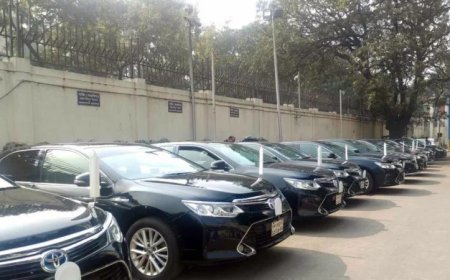
Money is not free. Interest-free loans do not eliminate cost; they merely obscure it. Whether financed through budgetary allocations or institutional balance sheets, the subsidy embedded in such loans must ultimately be borne by someone.
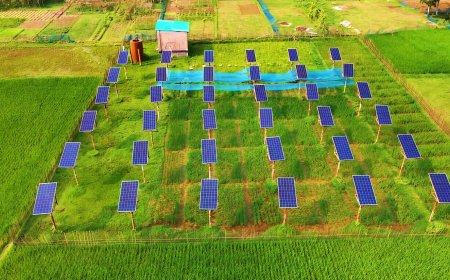
The integration of solar panels into agricultural land offers a practical pathway toward achieving energy independence, environmental sustainability, and resilient food systems in Bangladesh.
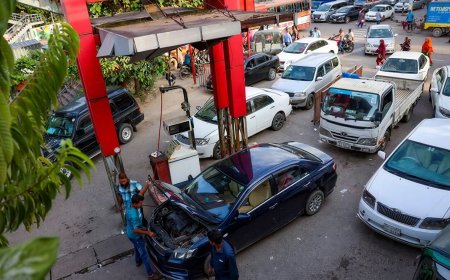
Already, there are signs of classic crisis behaviour. Panic buying, hoarding, informal resale of fuel at inflated prices, and rising tensions at petrol pumps. These are not the symptoms of a stable system. They are the early tremors of a breakdown in trust.
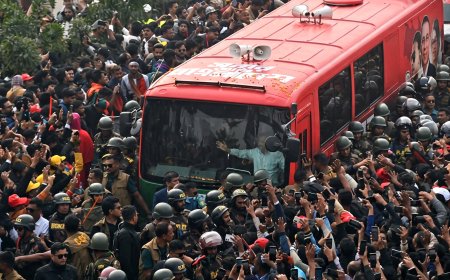
A government that reduces VIP protocol but continues to evict vendors without rehabilitation has merely exchanged one performance for another.
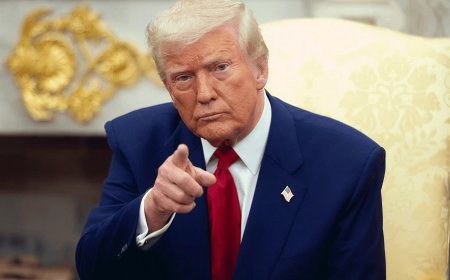
Against this background Trump is a disaster for America and its Iran war has pushed it to a point where presumably every ordinary man across the world has started mocking the American power by mistaking Trump to be the personification of the United States.
The ordinances concerning the Human Rights Commission, the Anti-Corruption Commission, and the prevention of enforced disappearances, are all directly aimed at protecting citizens’ rights, and maintaining the separation of powers. Rendering them ineffective is deeply disappointing from the perspective of citizens.