


















































Patriotism is Democracy’s Strongest Glue
A stronger Bangladesh will not emerge overnight. But with patriotism and civility, it will rise -- steadily, confidently, and together. To the conscious citizens of Bangladesh: This is your moment. Do not wait for perfect leaders or ideal conditions. Be the example. Act locally. Think nationally. Stand firmly for honesty and integrity, nurture skills, and practise good manners persistently.

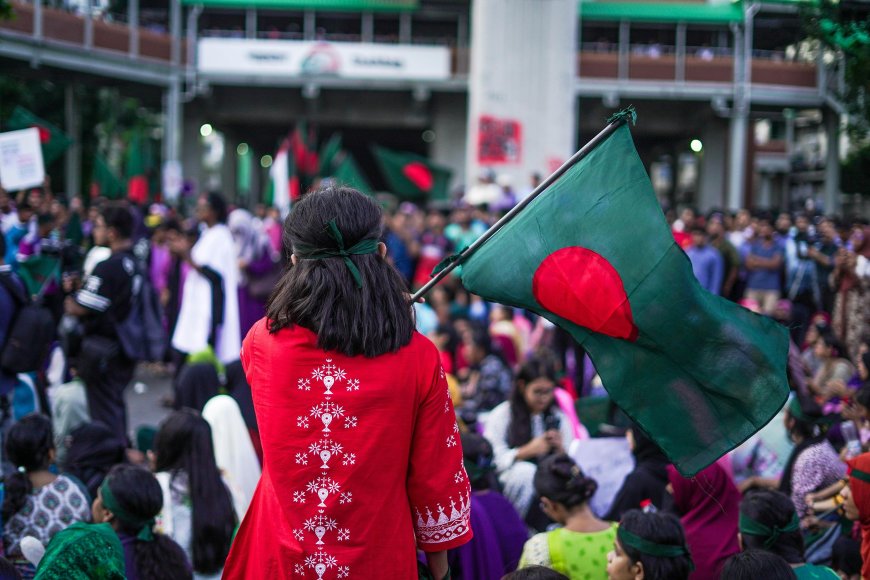
Bangladesh stands at a decisive crossroads. Our economic indicators may rise and our skylines may grow taller, but the true measure of a nation lies elsewhere -- the moral courage of its citizens, the everyday conduct that shapes public life and in the strength of its civil society. History teaches us that nations endure not merely through power or prosperity, but through values lived and defended by ordinary people.
At this critical moment, Bangladesh needs more than growth statistics. It needs patriot hearts -- anchored in love for the country -- and civic smarts -- guided by integrity, skills, and good manners. Together, these are the foundations of a resilient democracy and a flourishing civil society.
Patriots as Social Reformers, Not Spectators
Patriotism is often misunderstood as loud slogans or symbolic gestures. In truth, patriotism is quieter and braver. It is the courage to speak honestly, to act fairly, and to challenge wrongdoing. Every genuine patriot is, at heart, a social reformer and maker of history.
Integrity must be our starting point. Without honesty in public and private life, no institution can command trust, and no democracy can function. Integrity demands transparency in governance, accountability in leadership, and ethical conduct in everyday interactions -- from classrooms to courtrooms, from business offices to community spaces.
Trust, once broken, is painfully slow to rebuild. But trust, once restored, becomes the most powerful asset a nation can possess.
Skills That Empower Citizens, Not Just Careers
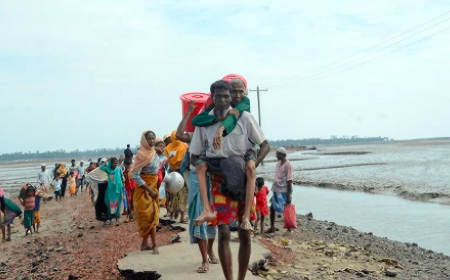
Bangladesh is rich in human potential. From the energetic youth of Dhaka’s alleys to the determined communities of our villages and coastal belts, talent abounds. Yet too often, this potential remains underdeveloped or misdirected.
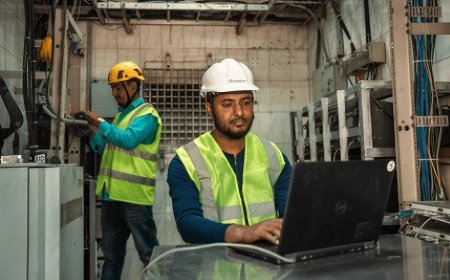
Skills must serve not only employability but civic engagement. Education should produce not just workers or job seekers, but problem-solvers, innovators, and ethical leaders. Technical skills, digital literacy, entrepreneurship, and leadership training must be rooted in social responsibility and nation building.
Good Manners as a National Asset
In a polarized world, almost morally broken now, good manners may seem trivial. They are not. Respect, empathy, and civility are the invisible glue that holds diverse people together. How we disagree matters as much as what we believe. Agree to disagree is the antidote.
Good manners are not signs of weakness; they are expressions of confidence and moral strength. They allow dialogue to replace shouting, persuasion to replace coercion, and unity to overcome division. A society without civility cannot survive for long.
From Awareness to Action: Rebuilding a Strong Society
Strengthening Bangladesh’s civil society requires deliberate, collective action:
First, foster integrity everywhere. Ethics and civic education must be embedded in our homes, schools and universities. Workplaces and institutions should adopt clear codes of conduct, while society must celebrate honesty -- not just success.
Second, enhance skills for civic life. Vocational training, digital education, and leadership development should be accessible to all. Universities, NGOs, and the private sector must collaborate to create pathways for lifelong learning and mentorship.
Third, cultivate respect and responsible behaviour. Nationwide campaigns should promote courtesy, empathy, and constructive dialogue. Hate speech -- online or offline -- must be challenged not only by law, but by social norms.
Fourth, deepen community participation. Democracy does not end at the ballot box. Citizens must engage in local governance, community problem-solving, and collaborative initiatives that address everyday issues -- from cleanliness to climate resilience.
Fifth, promote volunteerism as civic duty. Service should be woven into education and professional life. Volunteering builds empathy, leadership, and social trust -- qualities no nation can afford to lose.
Sixth, use media as a force for good. Ethical journalism and responsible social media use are vital. We need more stories that highlight solutions, integrity, and reform -- stories that inspire rather than inflame.
Finally, demand integrity-based leadership. Leadership at every level -- political, corporate, and civic -- must be grounded in moral accountability. Young leaders should be mentored, not manipulated, and systems must allow citizens to hold power to account.
A Call to the Conscience of the Nation
The future of Bangladesh will not be shaped by policies alone, but by the daily choices of its people. Each honest act, each respectful conversation, each moment of civic responsibility strengthens the nation’s democratic spine.
A stronger Bangladesh will not emerge overnight. But with patriotism and civility, it will rise -- steadily, confidently, and together. To the conscious citizens of Bangladesh: This is your moment. Do not wait for perfect leaders or ideal conditions. Be the example. Act locally. Think nationally. Stand firmly for honesty and integrity, nurture skills, and practise good manners persistently.
A Call to Bangladesh’s Youth: Lead Before You Are Given Permission
To the young people of Bangladesh: The future is not waiting for you -- you are already living in it. Do not underestimate your power, your voice, or your responsibility. History shows us that Bangladesh has always moved forward when its youth refused to remain silent, passive, or indifferent.
Do not wait for titles, positions, or perfect systems. Start where you are. Practise integrity in your studies, your work, and your online presence. Reject shortcuts, corruption, and hate -- even when they appear normalized. Courage today will shape credibility tomorrow.
Equip yourselves with skills that serve society, not just careers. Learn to think critically, communicate clearly, and organise ethically. Use technology not to inflame division, but to solve problems, mobilize communities, and hold power accountable. Be digitally smart -- and morally grounded. Make respect your norm. Disagree without demeaning. Debate without dehumanizing. Build bridges where others build walls. In a noisy and polarized world, remain calm and principled.
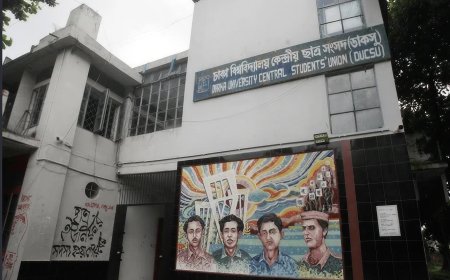
Step into social or civic life. Volunteer. Join local initiatives. Engage in student unions, community groups, climate action, and social enterprises. Democracy is weakened when youth retreat into apathy -- and renewed when they assertively participate with purpose. Most importantly, believe this: Leadership is not inherited; it is earned through service. Bangladesh does not need perfect young people -- it needs committed, ethical, and courageous ones.
The baton is already in your hands. Run with it -- honestly, skillfully, and with dignity.
Dr Muhammad Abdul Bari is an educationalist, author, civic advocate and a parenting specialist.