


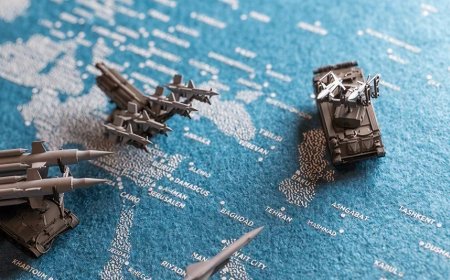
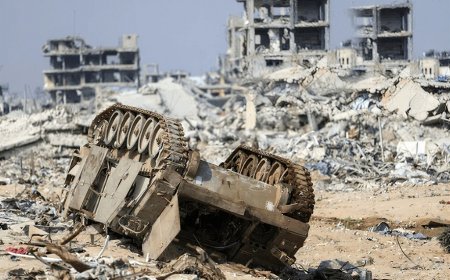


























































International law appears to bind only the weak nations but not the powerful, mighty ones. Afghanistan, Gaza, Guantanamo Bay, and targeted actions against foreign leaders all show how rules can be bypassed without consequence.

Failure to act appropriately will have catastrophic consequences, sooner rather than later. The AL had 15 years before their malgovernance caught up with them. The current government won't have 15 months.
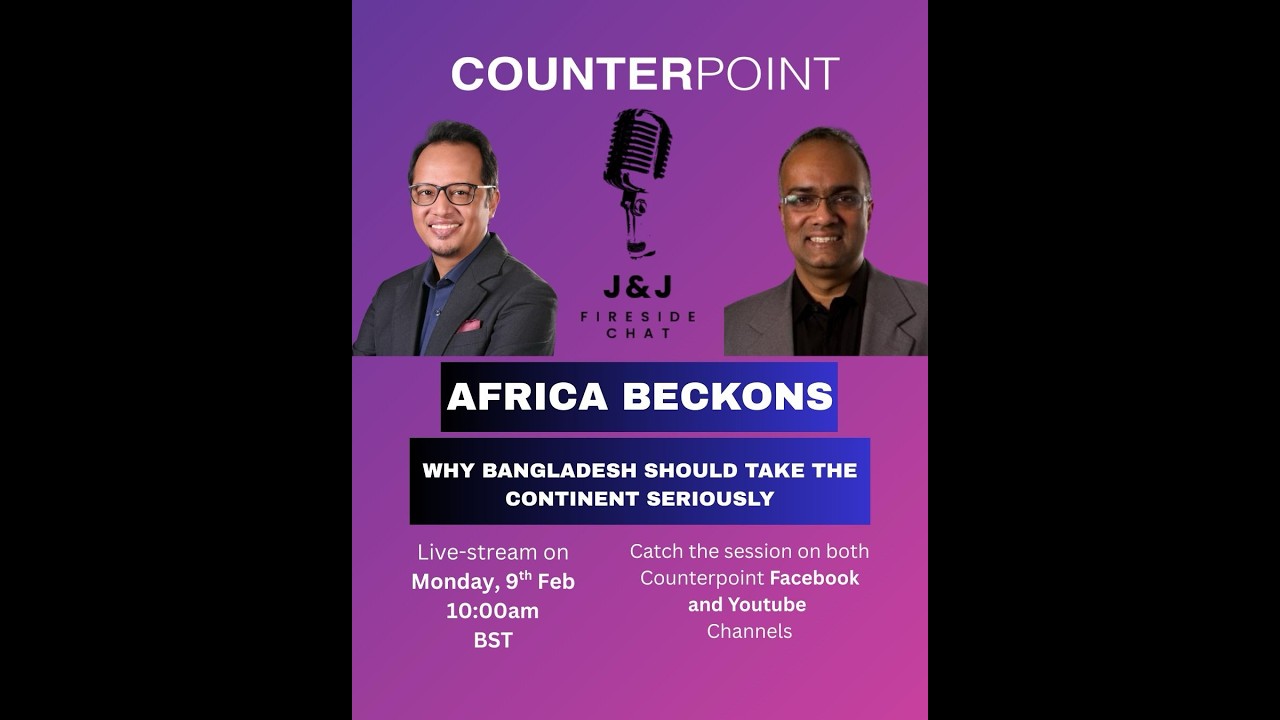
Join Jyoti Rahman, a macroeconomist, and Md Rubaiyath Sarwar, a development economist, as they discuss their observations from their recent travels

Divine gratitude can flow into our everyday lives in such ways, humbling our hearts to appreciate our privileges, the people and experiences that shape us, and the community and world we belong to, all the while realizing that much of life is a gift rather than an entitlement.

It is truly rare for an institution to have played such a prominent role in the founding of a nation during the 1971 Liberation War. Cadet colleges were not exclusively military training schools. These were established with developing both civilian and military leadership in mind.
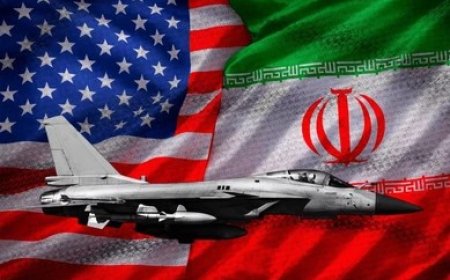
Iranian leadership has demonstrated remarkable resilience, shaped by the mosaic defence, the bolster policy of Iran after the death of Kashem Soleimani.
Policy predictability must become a cornerstone of economic management. Investors must be assured that agreements will be honoured and that regulatory frameworks will not shift unpredictably. At the same time, bureaucratic processes must be simplified and digitized to reduce delays and discretion.
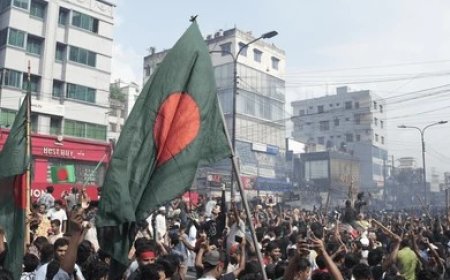
A dual crisis of legitimacy in the opposition and civil society is creating a “twin vacuum” that weakens democratic accountability in Bangladesh

A month into the conflict, we have yet to see any meaningful adjustment in fuel prices. Even as international crude prices have skyrocketed, the domestic market remains insulated, standing in stark contrast to almost all other Asian nations, including our neighbors, which have already implemented price hikes.
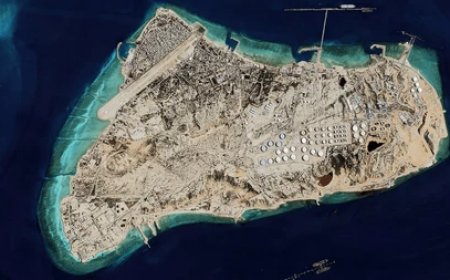
Modern warfare increasingly targets economic infrastructure rather than traditional military formations. Oil terminals, pipelines, power plants and ports have become instruments of pressure in conflicts across the world. The objective is not merely to defeat an enemy army but to weaken an adversary’s economic foundations.

Strengthening healthcare services means investing in frontline workers, improving facility readiness, ensuring reliable supplies of essential medicines, and better integrating services across the continuum of care.
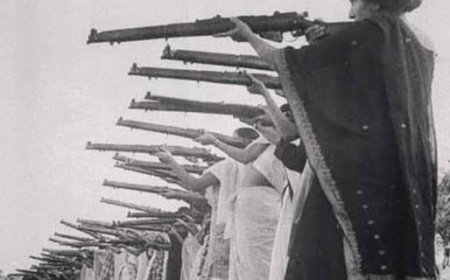
Women were not mere supporters; they were shapers of conditions, bearers of risk, and, in many cases, decisive actors. The war cannot be imagined without them, but its written history has often proceeded as though it could.
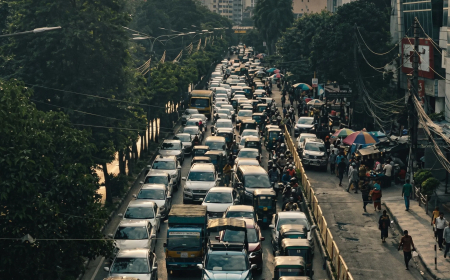
Bangladesh is not short of clever people or workable ideas. What we are short of is institutional willingness to treat a crisis as something other than an inconvenience to be weathered.
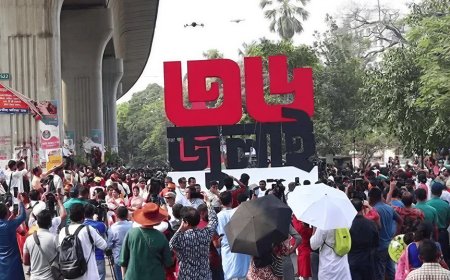
Bangladeshis need to understand who they are and develop the self-confidence necessary to chart their future destiny. Bangladesh is the eighth-largest country in the world by population, it is the 26th-largest economy by GDP-PPP at approximately $1.9 trillion, and one of South Asia's fastest-growing economies -- with GDP per capita projected to reach $10,850 by the end of 2026.
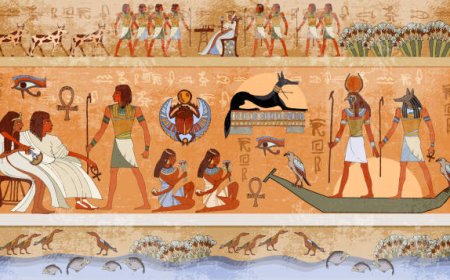
The endurance to hardship, spirit and skills to fight when forced, maturity to restrain, legacy of history to forge their own system of governance rather than blindly copy from the West, are the forte of these old but rich civilizations. They enrich their people not only with their own histories but also with the warring histories of the West, so that they can choose the good from the bad.

Ensuring accountability is the key, and a state cannot design a system, cannot create an institutional design where the only protection is a party's or an individual’s goodwill. A state’s guiding operational principle cannot be to be ruled by the angels.