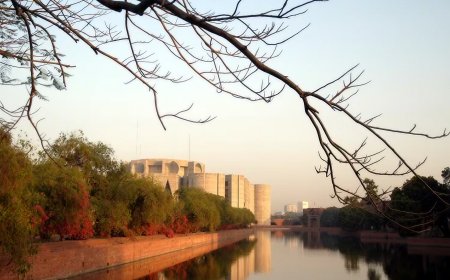
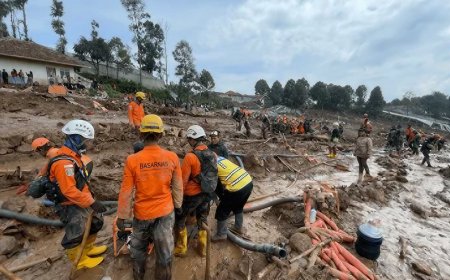

























































When the monsoon comes and two thirds of the land submerges, that is not devastation alone. The water withdraws and leaves behind a fine sediment of silt, and the landscape turns into vast patches of fertility, and then the wind comes and moves across it.
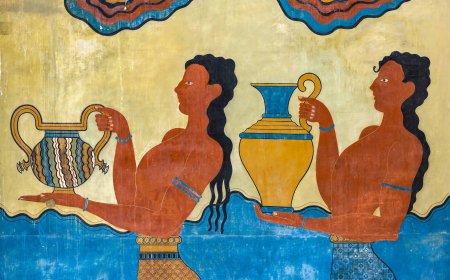
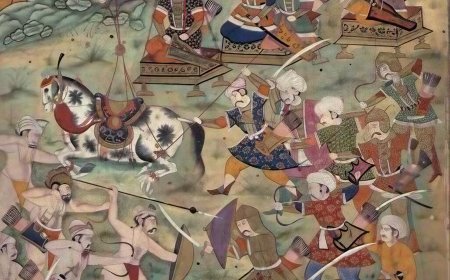
We like our ancient history sorted into clean boxes, but the Late Bronze Age never got the memo, and neither did its stories. This is the story of where those threads actually came from -- and how they came to be woven, unwoven, and rewoven into the tale we now call Troy.

The love is here. The love has always been here. What the love has lacked is doors, and the Legacy Match is one door, opened in front of an audience full of people who have the power to open more.
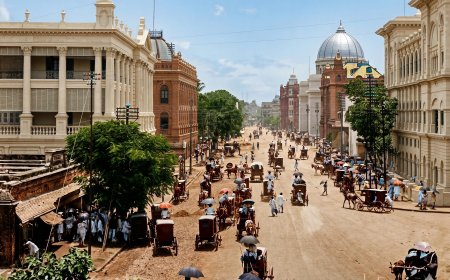
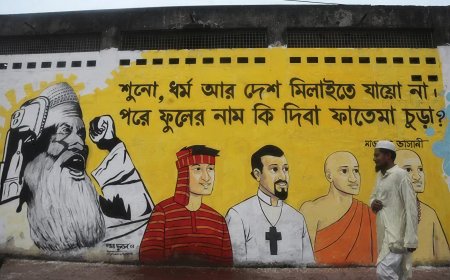
Today, that familiar polarizing language can be heard on both sides of Sher-e-Bangla’s hated ‘false wall,’ a wall which has since devolved into a barbed wire fence, on which dead and dying Bengali bodies have been hung.
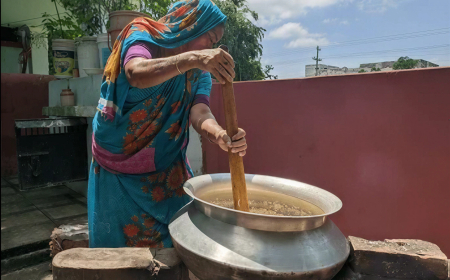
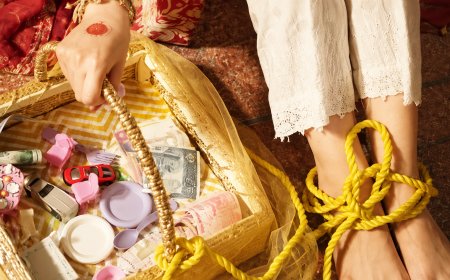
The language of our food carries a social order within it. That is what we name, what we price, what we celebrate, and what we quietly demand of women versus men at the dinner table is not neutral tradition. It is instruction, delivered warm in a serving bowl, generation after generation.
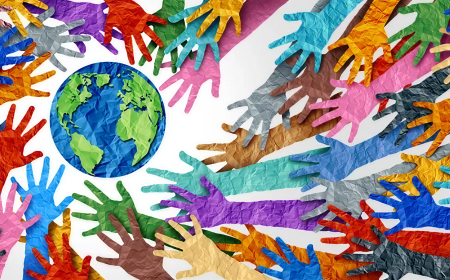
This asymmetry raises an uncomfortable question: If globalization is presented as a two-way exchange, why does cultural traffic so often move in one dominant direction?
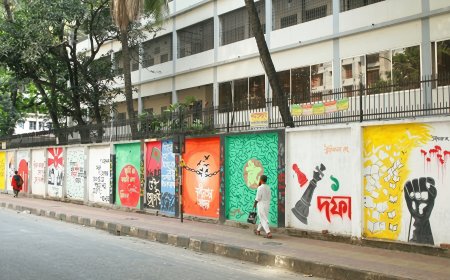
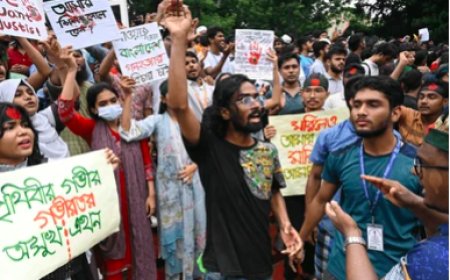
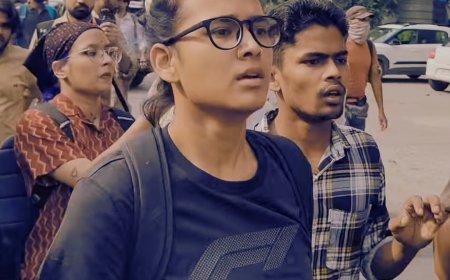
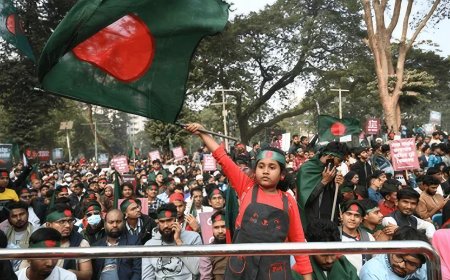
As the second anniversary of the July Uprising approaches, the country has a rare opportunity to move beyond ceremonial commemoration and begin the serious work of preservation.
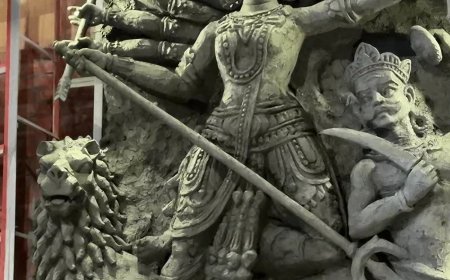
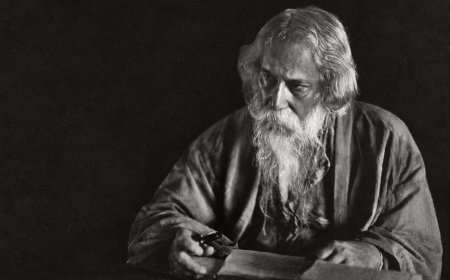
Whenever one reads the great poets and writers of China, India, Russia, Latin America, West Asia, or any other part of the world, they can find themselves inhabiting their worlds and seeing life through their eyes. Their experiences become part of my own intellectual and emotional landscape. In that sense, I cannot confine myself to being only an ethnic Bengali.
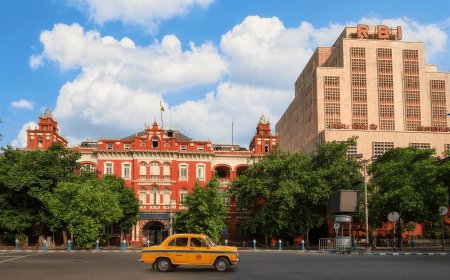
To me it is the story of a city that by its very nature of absorbing for more than 300 years a continued multifarious and rich cultural history of diversity into its DNA offered Zeenie the chance to be a player and observer and gain a wealth of experiences that would shape her befittingly in her later years.
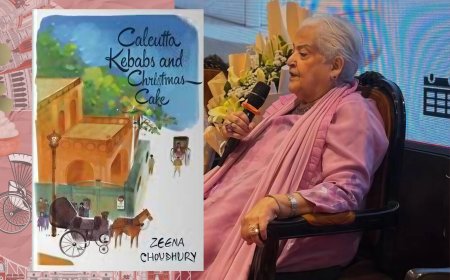
The Calcutta of this book was plural in the way that daily life is plural, messily, in the way that a grandmother bakes a Christmas cake for her Muslim neighbour's grandchildren because they are downstairs and they love cake.
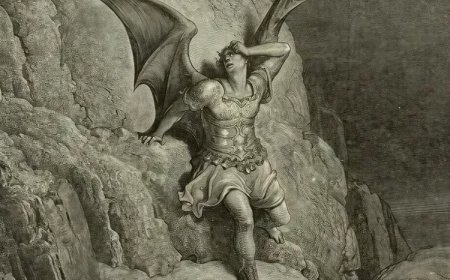
Satan is the most psychologically precise portrait of pride in all of literature, and he is rendered in the most beautiful blank verse in the English language.

I would like young directors to understand that leadership does not require worship. I would like film sets where collaboration replaces hierarchy, where respect replaces fear, and where women are encouraged not only to appear in front of the camera but also to shape what happens behind it.
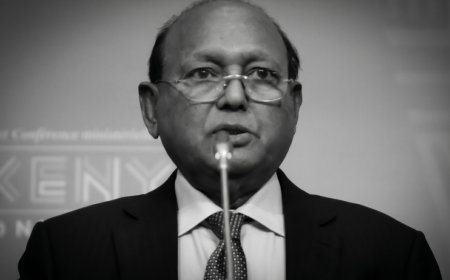
Future generations will continue to study the Mass Uprising of 1969 and the birth of Bangladesh. When they do, they will encounter the name Tofail Ahmed standing prominently among those who transformed resistance into victory and aspiration into nationhood.
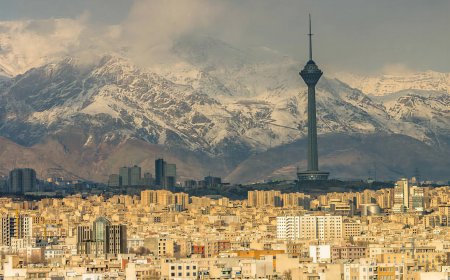
A comparison between Bangladesh and Iran may not be pragmatic, given the vast differences in their rich historical heritages. What is comparable is the repeated dedication and courage shown by the people of both nations in standing up for their respective countries.
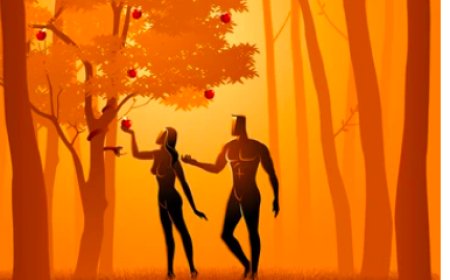
Woman keeps waiting for the world to realize that Lilith and Eve are not two women, polar opposites, black and white, dark and light. They are one. But Man either sees dark or light. We are all performers.

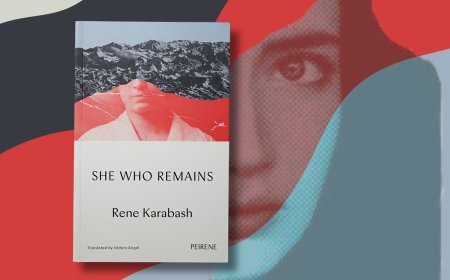
Who is she when she is no longer needed every moment? What remains of her when the role that gave her respect, purpose, and visibility is taken away?