















































![A Ledger of the Soul: Navigating the Allah-Bhagavant Nexus in a 19th-Century Puruṣākāra Jñāna Caupara [Gyan Chauper]](https://counterpointbd.com/uploads/images/202608/image_430x256_6a93baa3b09a7.jpg)


















The Seven Deadly Sins Reading List | Pride
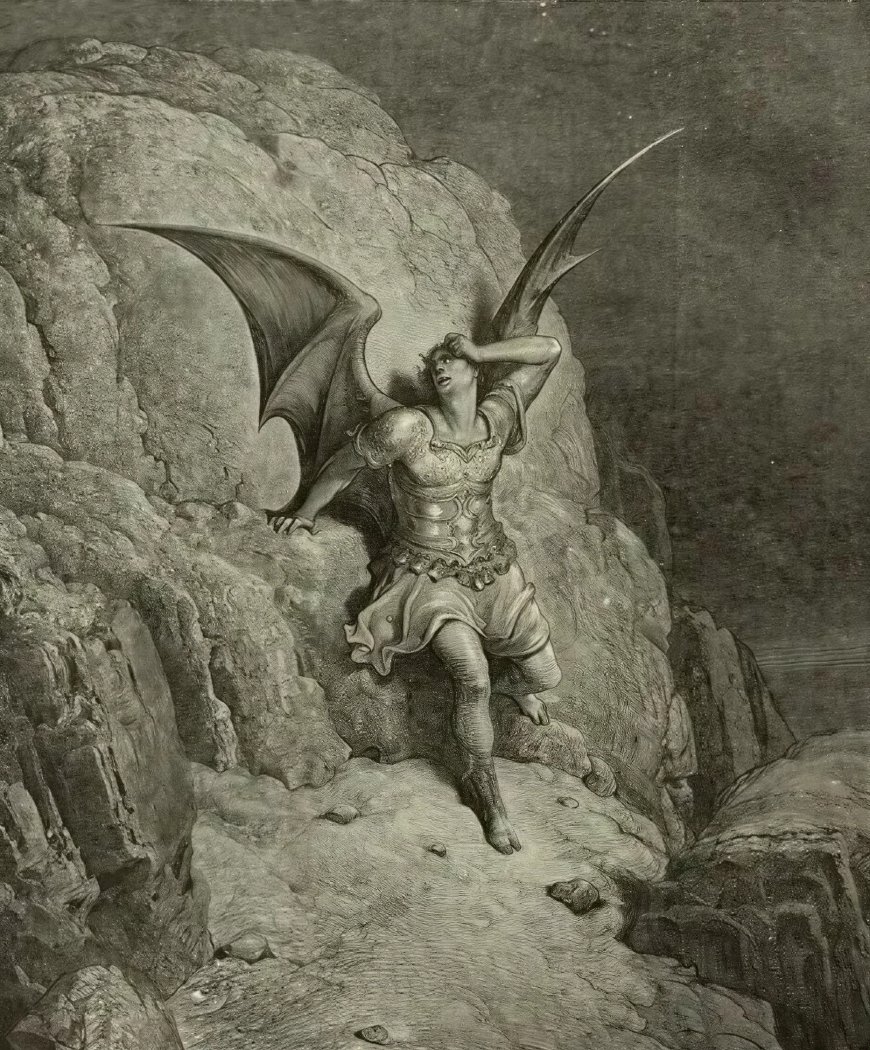
Satan is the most psychologically precise portrait of pride in all of literature, and he is rendered in the most beautiful blank verse in the English language.
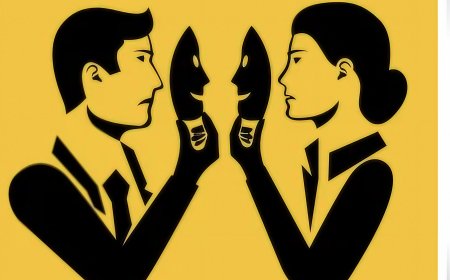
Pride is the oldest of the seven, the root from which the others grow outward like cracks in glass. You can reason with someone who is angry, you can feed someone who is greedy, but pride seals a person from the inside and leaves no visible entry point. The truly proud are not suffering, or at least they do not know they are.
This is the first entry in an ongoing series of reading recommendations built around the seven deadly sins, and we begin here. We begin with Pride.
Pride and Prejudice | Jane Austen
Austen is not writing about one proud man and one prejudiced woman; she is writing about two people who have organized their entire personalities around the belief that they see clearly, and the slow, mortifying process of being proven wrong. What makes this novel so good, and so funny, is that Austen does not exempt Elizabeth from the critique. Elizabeth is sharp, she is right about almost everything, and she is still wrong about Darcy for the better part of two hundred pages, because her pride in her own judgment has made her careless with the evidence. Austen understood that intelligence and pride are not opposites; in her novels, they tend to travel together and cause the same amount of damage.
Middlemarch | George Eliot
Casaubon is the figure worth remembering here, not Dorothea, though her story is the more celebrated one. Casaubon is the scholar who has spent a lifetime constructing a monument to his own significance and cannot tolerate the possibility that it may amount to nothing, and Eliot is ruthless about him and fair to him at the same time, which is an extraordinarily difficult thing to do. Middlemarch understands that intellectual vanity is the most invisible kind of pride because it always has a justification ready.
Paradise Lost | John Milton
Milton wrote Paradise Lost blind, dictating it to his daughters, and the result is an epic in which the villain gets the best lines, the most interesting interiority, and the most convincing argument. Satan falls because he cannot bear to be second. Satan frames his rebellion as a refusal to be enslaved, and the framing is so good that readers have been arguing about whether he has a point ever since Blake declared him the hero of the poem in 1790. Satan is the most psychologically precise portrait of pride in all of literature, and he is rendered in the most beautiful blank verse in the English language, which is itself a kind of trap. You are enjoying the writing, and the writing is the sin.
The Remains of the Day | Kazuo Ishiguro
Ishiguro builds the novel around a road trip Stevens takes in his employer's car, through the English countryside, narrating his own life with the careful, qualified language of a man who has spent decades making sure his feelings could never be used as evidence against him. Stevens is proud of his service, proud of his restraint, proud of the professional standard he has maintained through everything, and that pride has eaten his life so thoroughly that by the end there is genuinely nothing left to recover. He is someone who would rather curate his losses than undo them, because undoing them would require admitting they were losses in the first place.
The Secret History | Donna Tartt
The classics group in The Secret History operates on the shared conviction that beauty and intelligence place a person outside ordinary moral accountability, and Tartt lets them hold this position long enough that you half believe it too. Henry is the centre of gravity, the one whose certainty organizes everyone else's, and his pride is the most dangerous kind in literature: Erudite, quiet, completely sincere. He genuinely believes that a person who has read enough Plato and drunk enough wine in the right company has earned a different relationship to consequence.
Next sin: Greed