











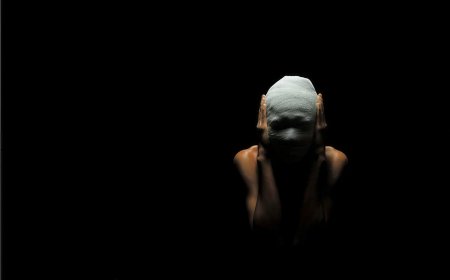

































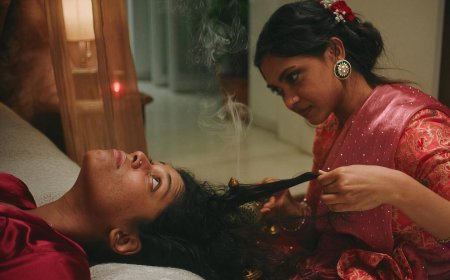







The Gothic leaves us with that uncomfortable space between sympathy and fear. Its women linger there, neither innocent nor monstrous, but painfully human.
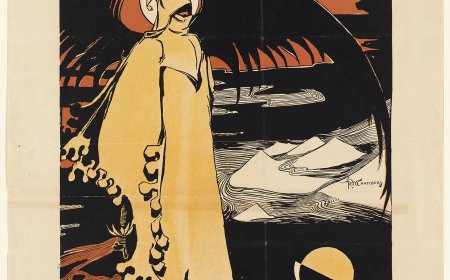
In Bierce's world, Hastur watches over the shepherds. In Chambers' world, the same name is bound to the Yellow Sign, a mark that spreads corruption to anyone who looks at it for too long.
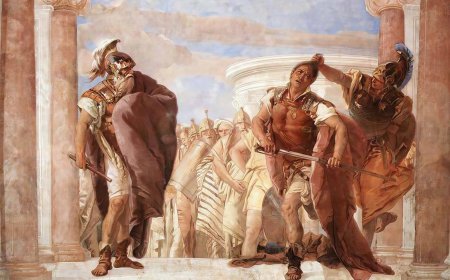
Wrath can be inherited, provoked by confinement, born from obsession, hidden beneath good manners or turned against oneself.

The exchange has never run one way. Bangladeshi karatekas train to standards set in Tokyo. Instructors who came as visitors, stayed close to the country for the rest of their careers. What began as instruction became friendship.
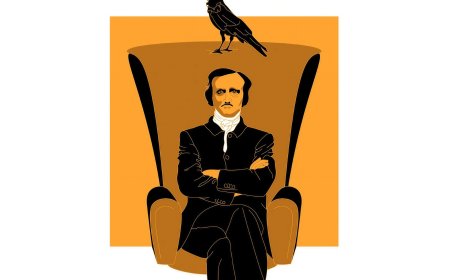
It is more important than ever now to understand the protagonists of Poe’s stories. In an age when the topic of mental disorders is slowly being destigmatized, we need to try even harder to normalize the understanding of one’s mind, especially if it is volatile and potentially harmful.
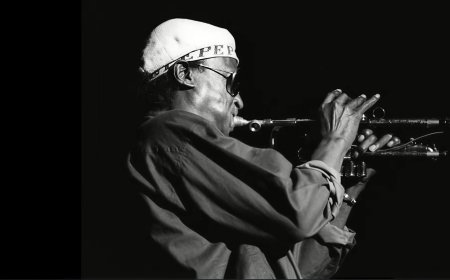
A birthday tribute to Mr. Miles, the one who could translate the entire humanscape into music, the chaotic cacophony of noisy human affairs could be syncopated into high art
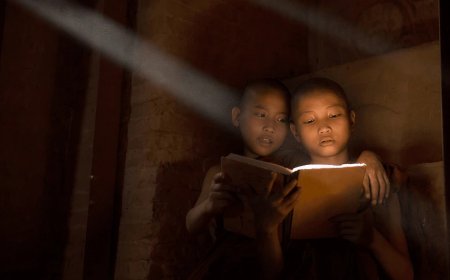
Literature resides in the public domain of human consciousness. It resists those who aim to claim an exclusive license over it
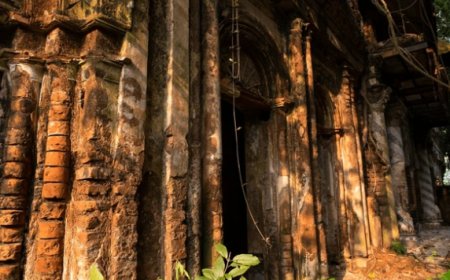
Whereas Khwaja Usman’s lineage was swept into the sidelines of history, Raja Subid Narayan’s descendants gained prominence in the nation.
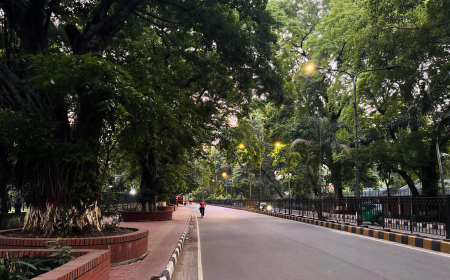
They Packed Their Bags in 1947. But Their Names Are Still Embedded in Dhaka's Oldest Roads.
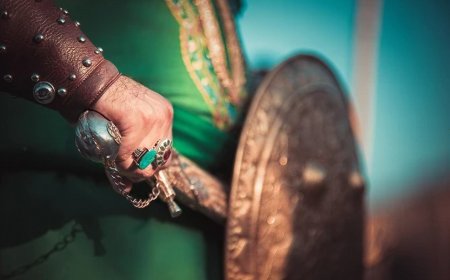
To imagine a post-Western world is not to erase the Odyssey from cultural memory. It is to place it in a larger gallery. To see its frame. To notice what the frame excludes. And to realize that the exclusion is not natural but constructed, maintained, and, when necessary, violently defended.
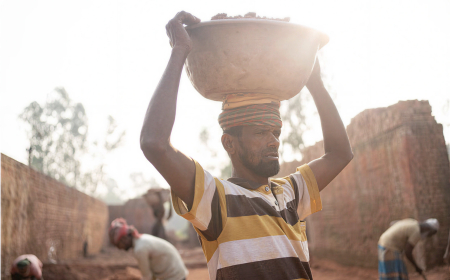
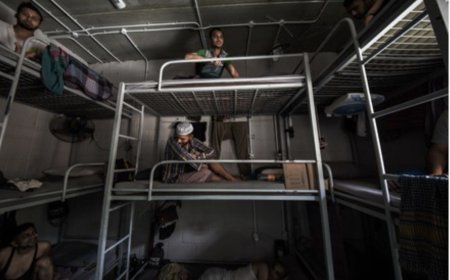
A group was huddled within the narrow shadow of a work pickup truck eating a minimal meal, beneath that smile lies an invisible, chronic condition damaging the lungs with microscopic sharp particles
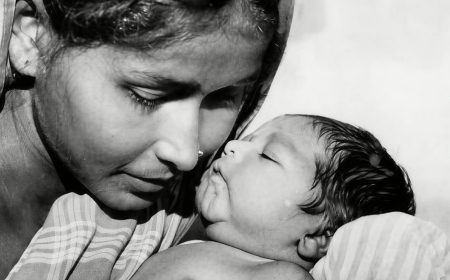
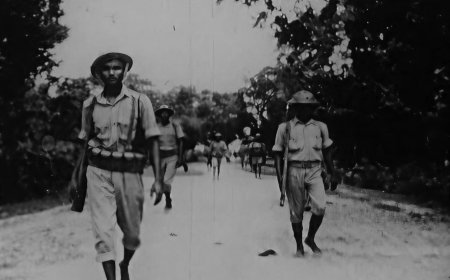
Behind every martyr stood a family, and behind every survivor often lay wounds that no medal, citation or official recognition could ever heal.
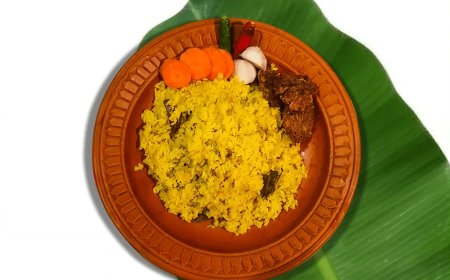
A warm plate of bhuna khichuri is both a memory left behind on a map across oceans, and a treasure brought along in my portable Samsonite suitcase in keeping the monsoon memories alive.
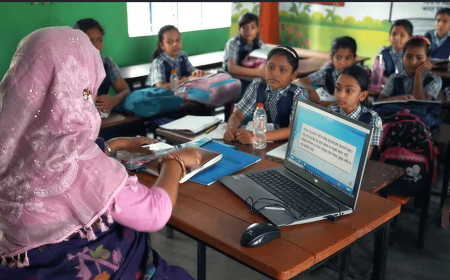
A female teacher's social media reel sparked national outrage -- but the controversy reveals far more about gendered surveillance, respectability politics and patriarchal control than it does about education.

Today, we understand far more about how children learn, how creativity develops, and how deeply our survival depends on our relationship with nature. Yet our education systems often seem designed for a world that no longer exists.
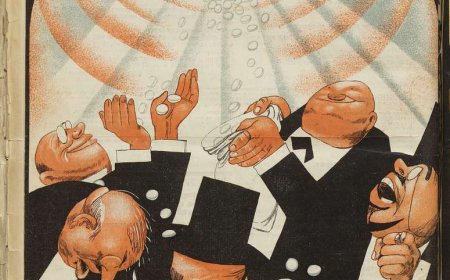
Greed does not emerge within humans as a loud antagonist. More often, it begins with a small justification, a quiet compromise, or the belief that one deserves just a little more than everyone else.