



















































![A Ledger of the Soul: Navigating the Allah-Bhagavant Nexus in a 19th-Century Puruṣākāra Jñāna Caupara [Gyan Chauper]](https://counterpointbd.com/uploads/images/202608/image_430x256_6a93baa3b09a7.jpg)




















A 5-Hour Workday for Mothers Is Welfare Policy, not a Patriarchal Plot
Bangladesh’s working mothers deserve a serious conversation about policies that ease their load and secure their economic future. They deserve thoughtful engagement, not reflexive dismissal. For once, let us debate the policy instead of demonizing the policymaker.
Bangladesh’s political season has produced its usual share of noise, but few debates have been as distorted as the one surrounding Dr. Shafiqur Rahman’s proposal for a 5-hour paid workday for mothers with small children.
Some commentators have rushed to frame this as a sinister ploy by Jamaat-e-Islami to “send women back home.” This narrative may be politically convenient, but it is neither accurate nor intellectually honest.
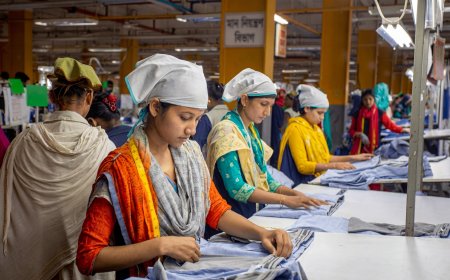
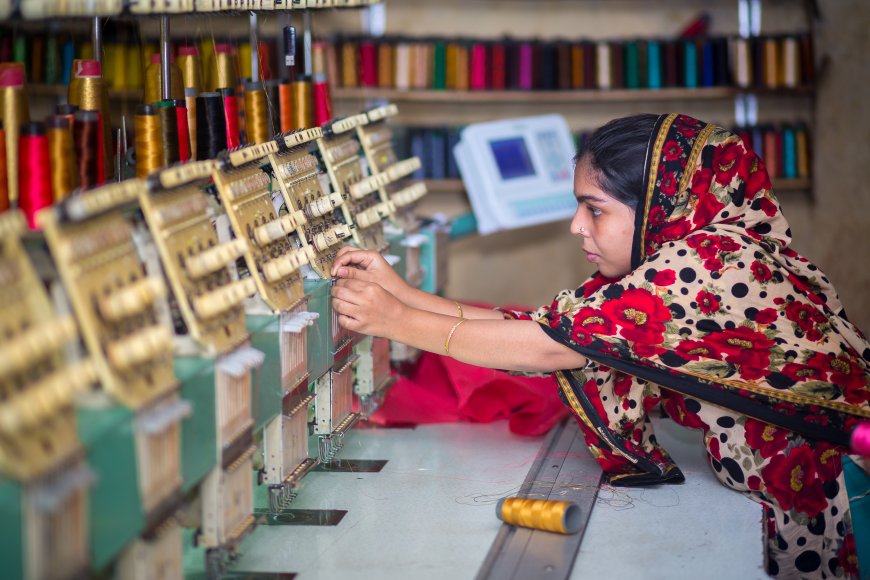
At its core, the proposal is a targeted welfare measure meant to support a very specific group: mothers juggling the relentless demands of childcare and full-time employment. It is not a blanket reduction in women’s working hours. It is not a decree forcing women into domestic confinement. And it is certainly not a stealth attack on women’s economic independence.
Similar benefits exist across the developed world. Sweden, Denmark, Germany and other social democracies routinely offer reduced hours, partial schedules or wage supplements for parents of young children. These policies are widely recognized as progressive tools for gender equity, not patriarchal conspiracies.
Yet when the same idea is proposed in Bangladesh, some critics reflexively dismiss it as regressive simply because of who proposed it. This is a familiar type of stereotyping in which a policy is judged not on merit but on the presumed motives of the proposer.
The economic argument against the plan also fails under scrutiny. Under the proposal, mothers working five hours would receive the full 8-hour salary, with the government covering the remaining portion. There is no pay cut, no loss of income and no disincentive for employers to hire women. The claim that women would face economic hardship does not hold up.
If anything, this initiative could strengthen women’s workforce participation. In Bangladesh, many women leave their jobs after giving birth because childcare is non-existent and workplace flexibility is scarce. By offering a temporary and compensated reduction in hours, the proposal helps mothers stay employed rather than drop out entirely. This benefits families and the national economy.
One may debate the financing or propose improvements. That is healthy. But to portray a globally common welfare measure as a patriarchal plot is to replace reason with political reflex.
Bangladesh’s working mothers deserve a serious conversation about policies that ease their load and secure their economic future. They deserve thoughtful engagement, not reflexive dismissal.
For once, let us debate the policy instead of demonizing the policymaker.
Dr. Mohammad Nakibur Rahman is a Professor of Finance at University of North Carolina at Pembroke and Spokesperson of Bangladesh Jamaat-e-Islami in United States.