






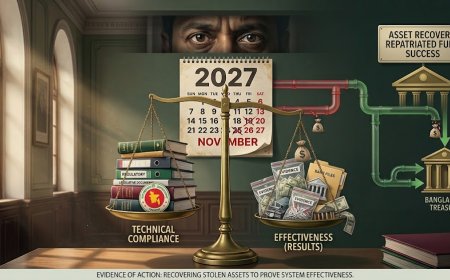












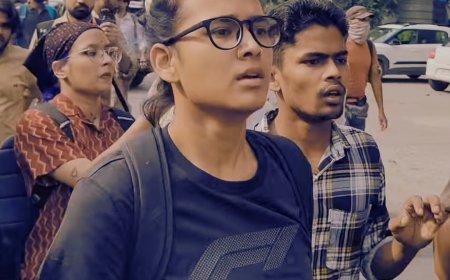

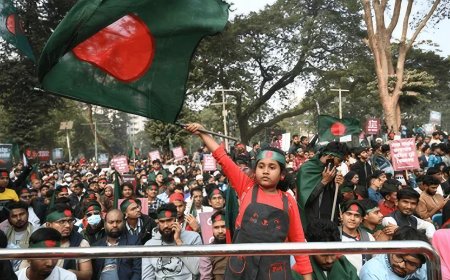








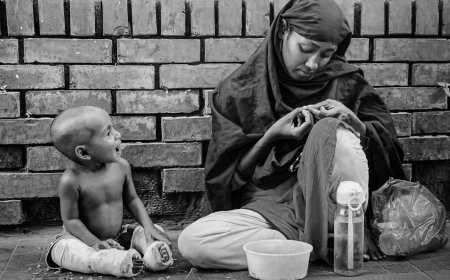



































Bangladesh has turned a page in its political history and a new phase of political governments is about to start. This may therefore be a good time to think about the future socio-economic tasks.
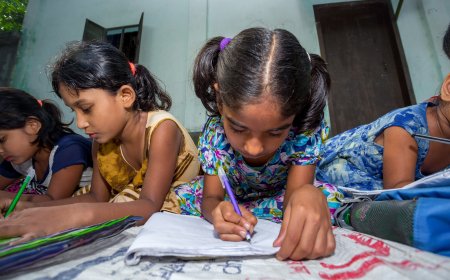
Governments have changed. Elections have come and gone. Political narratives have shifted -- sometimes dramatically. Yet NCTB has remained reliably unable to perform its most basic function.

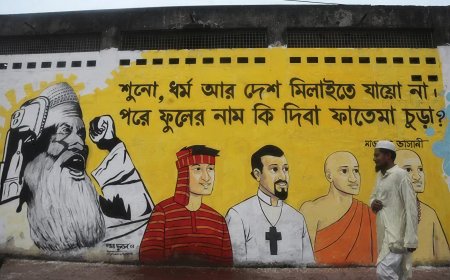
If NCP grows too strong, it risks becoming a genuine rival. My sense is that Jamaat has neither the intention to reform itself nor the willingness to allow such growth. Jamaat will remain the benchmark of right-wing politics in Bangladesh, while exploiting the NCP whenever a secular shield becomes necessary. The greatest casualty of this alliance will be July itself.

What is being proposed is a National Education & Skills Master Plan -- not a document, but an operating system. Its core rule is brutally simple: no training exists unless it maps to a destination country, a verified certification standard, and a real wage ladder.

The critics are right: the system is unjust. But addressing anger without repairing the economic wiring that produces it has only ever muted the noise. We are not risking a tinderbox. We are responsible for the one we are already living in.

This demographic dividend becomes a curse when policy fails to match demography. The interim government’s focus on political stabilization overshadows economic planning, leaving youth unemployed and restless.
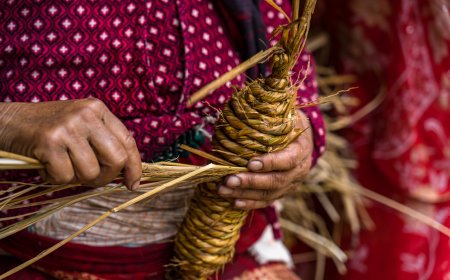
What Bangladesh lacks is not culture, talent, or stories -- but the vision and infrastructure to translate them into sustained soft power

The authoritarian habits cultivated over a decade and a half did not disappear with the fall of a government; they seeped into the public bloodstream. When state violence takes a step back, social violence often steps forward.

We cannot build the Bangladesh we envision -- democratic, just, climate-resilient -- while accepting manufactured water scarcity as inevitable. The rivers that created Bengal sustain us still -- but only if we fight to reclaim them.

Bangladesh needs to develop a national security strategy that forms the basis for decisions on the investments that will be needed to properly train and equip civilian law enforcement agencies, who need to be depoliticized and professionalized, as well as the country’s armed forces.
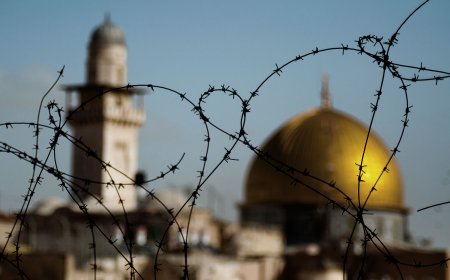
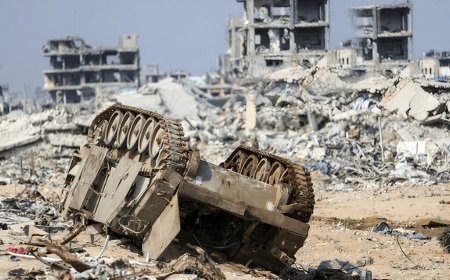
Without accountability, restraint, and a genuine recommitment to Palestinian sovereignty, the truce will remain a mirage -- and peace a far cry

As Bangladesh embraces digital credit, scammers and unregulated apps are turning instant loans into instruments of fear -- exposing a system moving faster than its laws.

True judicial independence cannot rest on the discretion of one office, no matter how elevated.

Can an Approver still be an accused in the Hasina case? It is difficult to defend the proposition that a person who has been formally pardoned, can remain in law an accused for the same conduct.
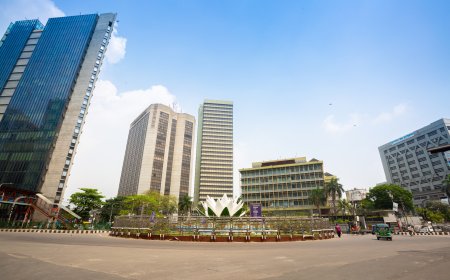
Dhaka’s earthquake threat lies in poor construction, not geology. We need to be concerned about and plan soberly for what would happen if a 6.0 quake hits instead of catastrophizing doomsday scenarios.

The India-Bangladesh Extradition Treaty allows either country to request extradition with an arrest warrant and a conviction. Procedurally, Bangladesh meets the threshold: Hasina has been convicted and sentenced. On paper, this gives Dhaka a strong case. But extradition is never just about procedure. It hinges on interpretation -- and political will.