






























































The question for a republic is whether it can learn to look away from the dazzling, authoritarian image long enough to see -- and rebuild -- the dull, demanding, and essential foundations of a reality-based politics.
Second chances are possible. But history does not reward clever positioning or carefully worded distance. It honors courage, sacrifice, and fidelity to truth -- especially inconvenient truth.

What is ultimately at stake is not merely the ease of obtaining visas. It is how Bangladeshi citizens are perceived as participants in the global order.

Rumour is part of politics and society but now it can be magnified and curated at speed in the age of the (un)smart phone. Compared to the digital control of the previous regime what we have now is the information bomb.
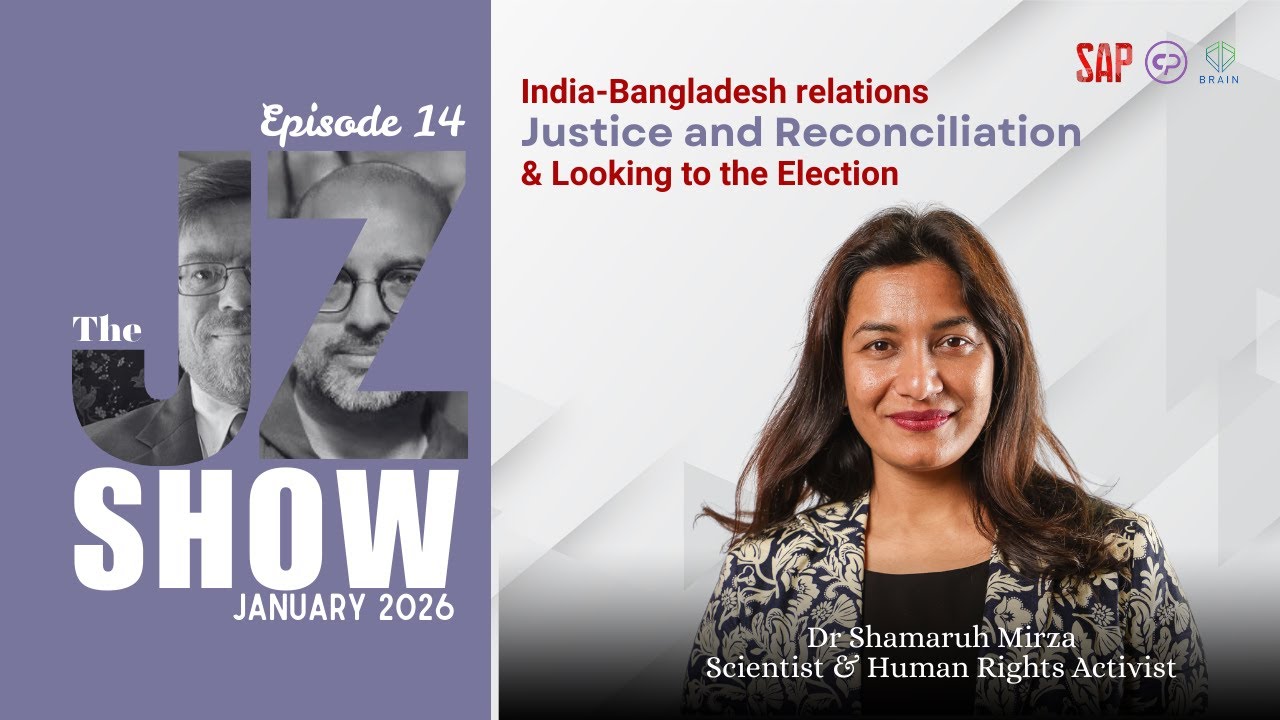
In this episode, Jon Danilowicz and Zafar Sobhan sit down with Dr Shamaruh Mirza for a wide-ranging and insightful conversation on India–Bangladesh relations, questions of justice and reconciliation, and what lies ahead as the country looks toward the upcoming elections.
In this episode, Jon Danilowicz and Zafar Sobhan sit down with Dr Shamaruh Mirza for a wide-ranging and insightful conversation on India–Bangladesh relations, questions of justice and reconciliation, and what lies ahead as the country looks toward the upcoming elections.
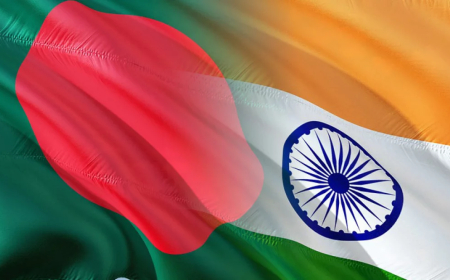
We cannot let the Bangladesh-India relationship and discourse be hijacked by the hard-liners on either side of the border who favour hostility and antagonism over cordiality and cooperation.
Normalizing forced extractions in the name of justice does not advance accountability; it advertises that power can dispense with law

As we enter the final phase before elections Jamaat-e-Islami may be poised to win far more votes than previously predicted. There is still time for BNP to regain the momentum if it appreciates the situation and pivots accordingly. But there is little evidence that it does so.
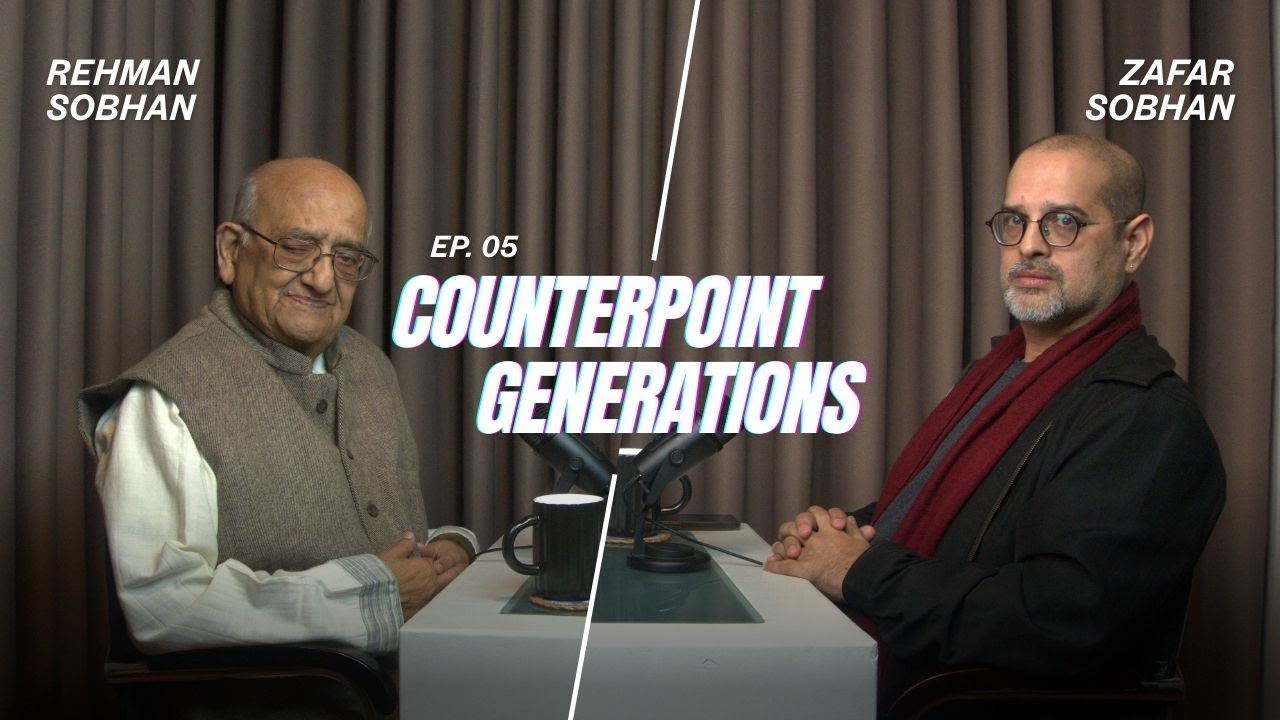
In the fifth episode of Counterpoint Generations, Counterpoint Editor Zafar Sobhan and Professor Rehman Sobhan step back from daily headlines to reflect on history — focusing on the great homecomings, returns, and janazas that have shaped Bangladesh’s political and emotional landscape.

It is often the person of colour who has to bring up colonialism in the room. To name racism even when it makes everyone uncomfortable. To remind people that representation is not neutral, and that curiosity does not absolve power.

The right to live in peace is not a gift from empires. It is a demand, shouted into the barrels of their guns. It is a world, built stone by stone, in the ruins they leave behind.
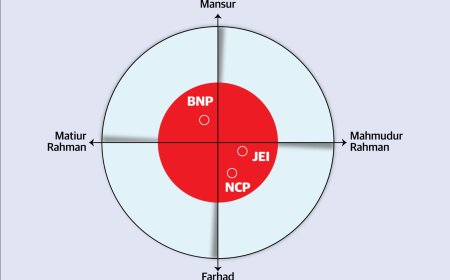
The axes of Bangladeshi politics have shifted dramatically. Where do the political parties line up in the new dynamic?

The uncomfortable truth is this -- America is the capital of a global corporate empire. But the real rulers are not politicians but corporations, whose loyalty lies only with money. The Transnational Private Sector -- TPS -- is not a mere American phenomenon. It’s a global empire, and its influence reaches every corner of the planet.
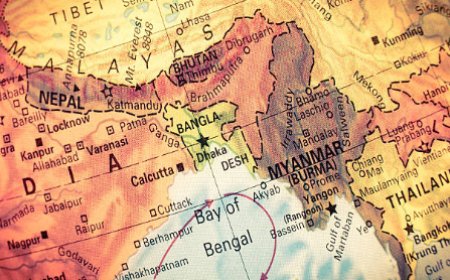
The India-Bangladesh relationship is undergoing not rupture, but delayed normalization. Bangladesh is asserting the right to disagree without permission. India is confronting the limits of informal hegemony