

























































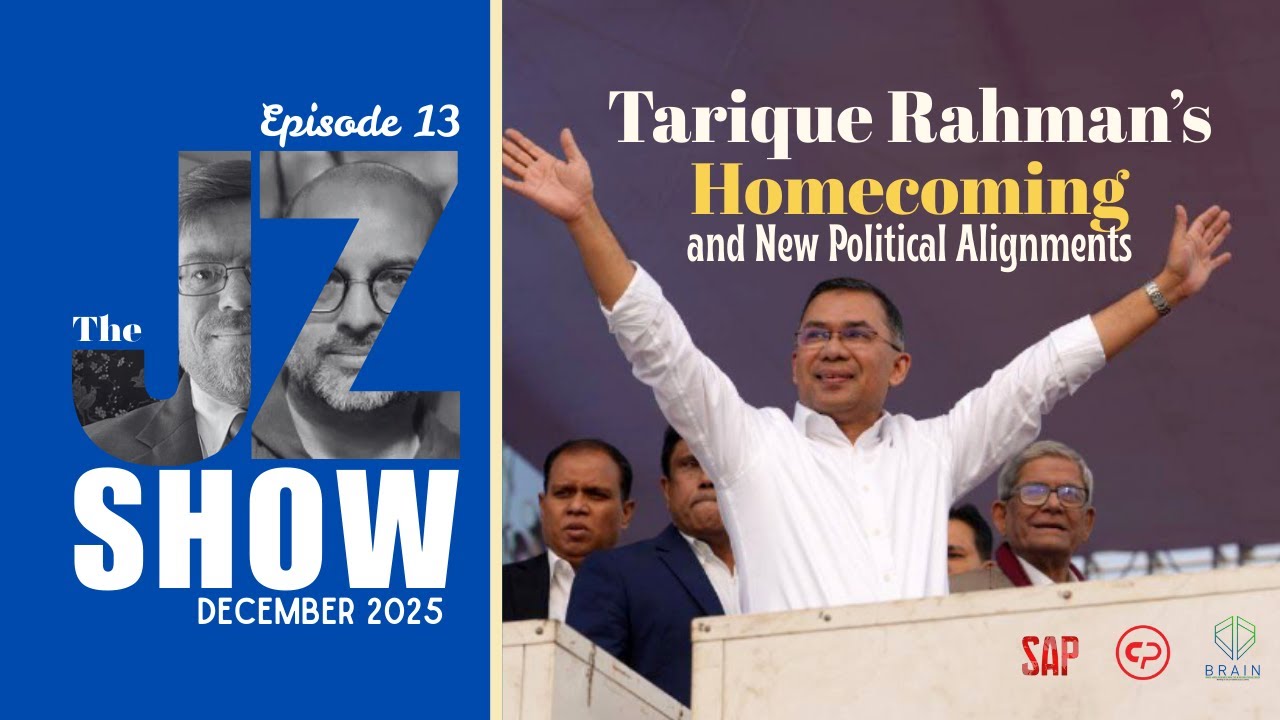
Tarique Rahman's Homecoming and New Political Alignments
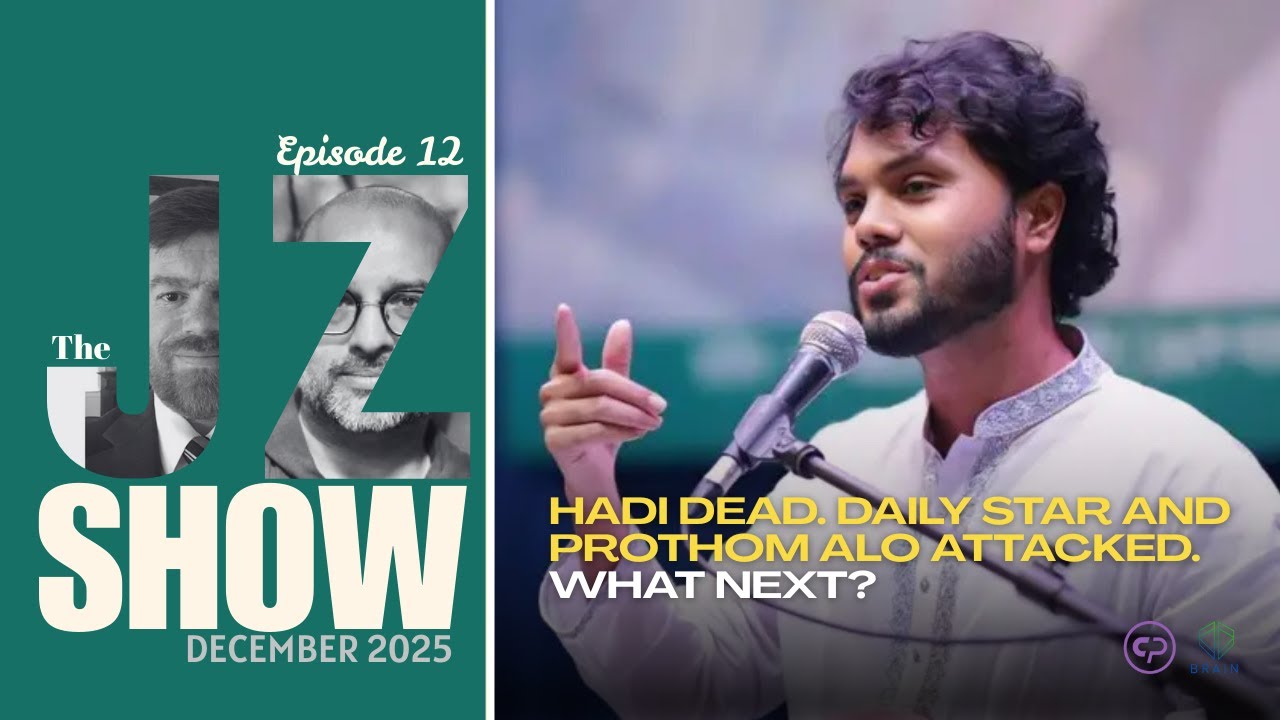
Hadi dead. Daily Star and Prothom Alo Attacked. What Next?

Given how rapidly an emerging narrative hardens in current discourse, we must start our critical evaluations of Hadi’s legacy as soon as possible: Hadi’s image must be snatched away from those who want to worship him.
The decision for Bangladesh is simply this: Either we recognize what is happening to our degree of liberty now, or we will soon read about it in the pages of history books as if it is a novel about something that was simply unavoidable.

For the Interim Government, this election will be how their legacy is viewed by posterity. Whatever they have achieved and whatever mistakes they have made, everything will be subsumed by this election. If they are able to preside over a good election and hand over power without incident to an elected government, then they will be judged a success.
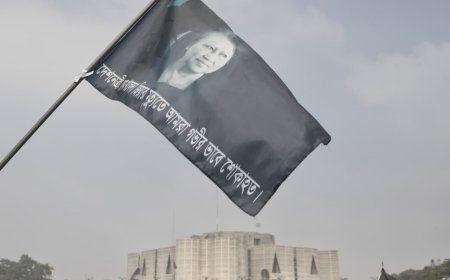
Her entry into politics in the early 1980s was a response to national crisis, not personal ambition. She became more than a political leader. She became a symbol -- of democratic resilience, of refusal to capitulate, and of the belief that political legitimacy must come from the people, not from force.

For a nation like Bangladesh, the challenge is not whether to depend on others, but how to manage that dependence intelligently. The question, then, is not how to escape vassalhood, but how to master it.
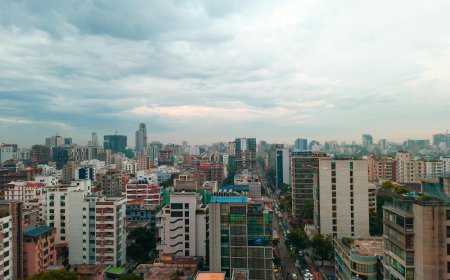
Bangladesh’s current urban planning, development, and management systems are so fragmented, multi- layered, and institutionally weak that administrative restructuring alone will not be sufficient at the moment.

The message for Bangladesh's policy-makers is clear: ground this decision in data, not delusions of grandeur. Commission and publish an independent, peer-reviewed fleet plan.
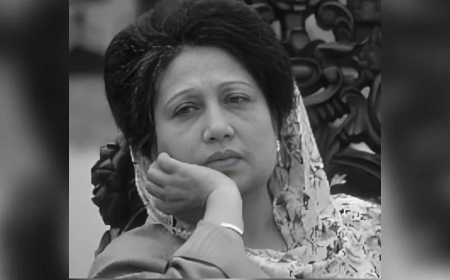
We are glad that she breathed her last a free woman, surrounded by her loved ones, and that she lived to see the end of the despotism that blighted the last years of her life.
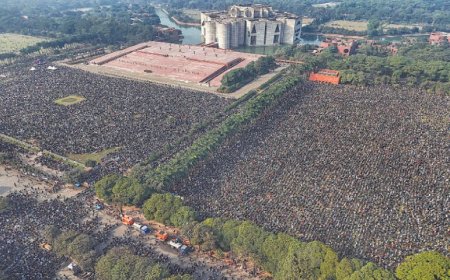
From a modest housewife to a widowed national leader who rose to the highest political office in the country, Begum Zia’s life was a testament to resilience and moral fortitude.
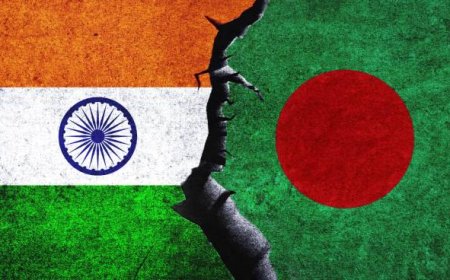
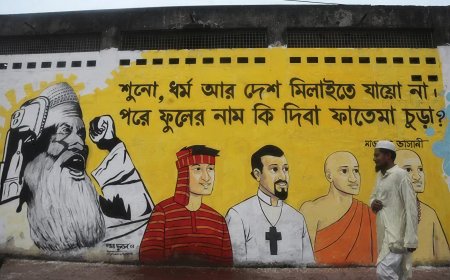
Concern about minority safety in Bangladesh is not illegitimate. But when that concern is amplified selectively, weaponized by domestic political actors, and accompanied by conspicuous silence on India’s own minority challenges, it acquires the flavour of moral exhibitionism.
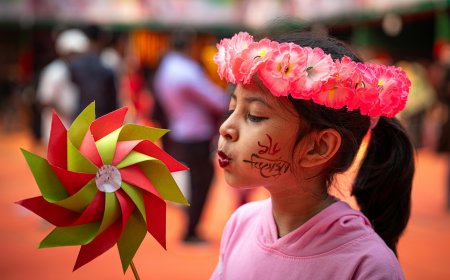
Bangladesh has turned a page in its political history and a new phase of political governments is about to start. This may therefore be a good time to think about the future socio-economic tasks.
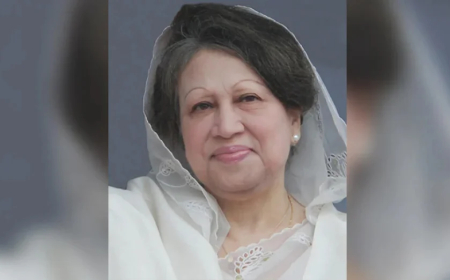
But to me, she remains the woman who could slip through a military blockade as easily as she could appreciate the simple sanctuary of a family meal. She taught us that true power doesn’t come from the title you hold, but from the responsibility you carry for those you love.