











































































The Seven Deadly Sins Reading List | Wrath
Wrath can be inherited, provoked by confinement, born from obsession, hidden beneath good manners or turned against oneself.
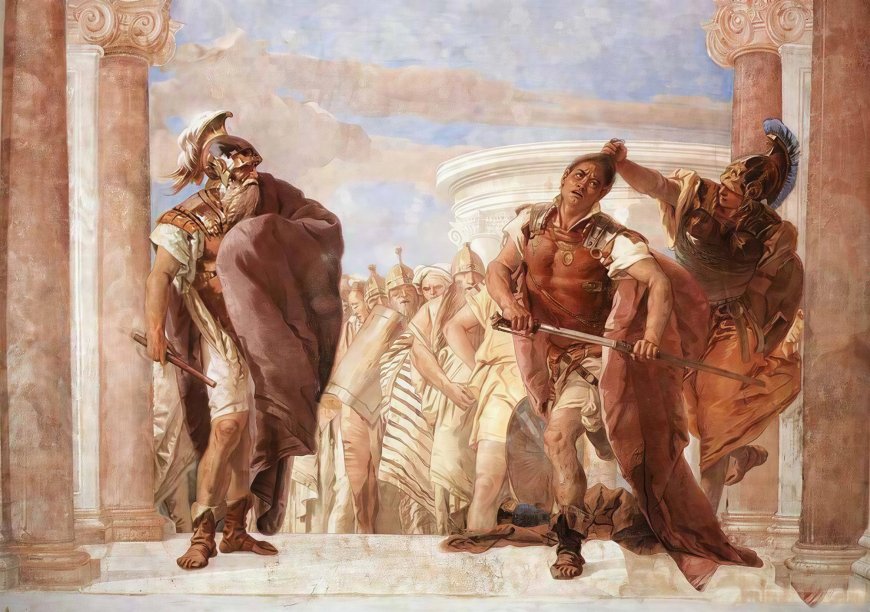
For the third deadly sin of this series, we come to wrath. It begins with something ordinary: An insult, a betrayal. But unlike ordinary anger, wrath does not pass. It keeps the wound raw, holds on to the name of the person who caused it and waits to return the pain.
Literature has always fostered this impulse, perhaps because few things are more human than wanting someone else to feel the pain they caused us. These five books look at wrath in very different forms, from ancient vengeance to personal resentment and the rage that turns inward.
The Oresteia | Aeschylus
Aeschylus's The Oresteia is one of literature's oldest studies of wrath. Across its three plays, one act of violence keeps demanding another, as a family passes its anger, grief and bloodshed from one generation to the next. Agamemnon is murdered by Clytemnestra; Clytemnestra is then killed by her son Orestes; Orestes is pursued by the Furies for what he has done. What makes the trilogy so compelling is the question underneath it all: Can a cycle of wrath ever be brought to an end?
The Woman in the Dunes | Kōbō Abe
Kōbō Abe's The Woman in the Dunes begins with a man who simply wants to spend a few days collecting insects. Instead, he finds himself trapped in a sand pit and forced to help a woman keep her house from being buried. His attempts to escape become increasingly desperate, and his anger grows with his sense of helplessness. His wrath comes from being deprived of control over his own life. The novel becomes a tense study of what prolonged confinement can do to a person.
The Sailor from Gibraltar | Marguerite Duras
In Marguerite Duras's The Sailor from Gibraltar, wrath is tied to desire. The narrator becomes fixated on a mysterious sailor he has never properly known, and the search for him gradually takes over his life. Jealousy, dissatisfaction and longing begin to blur into one another. The book is strange, intimate and deliberately elusive, and its treatment of wrath is about the anger that comes from wanting something that cannot be possessed.
The Death of the Heart | Elizabeth Bowen
Portia is a young girl sent to live with relatives who have little understanding of her. As she encounters indifference, manipulation and emotional cruelty, her innocence begins to disappear. Instead of giving us an obvious eruption of rage, Bowen lets resentment accumulate in silence.
The Book of Disquiet | Fernando Pessoa
Fernando Pessoa's The Book of Disquiet takes wrath in a more inward direction. Written as a series of fragments and reflections by Bernardo Soares, the book is filled with dissatisfaction with work, society, routine and the ordinary demands of being alive. There is no particular enemy for Soares to defeat and no act of revenge waiting at the end of the story. His frustration simply accumulates. Pessoa shows us what happens when disappointment with the world becomes a habit of mind. His anger has no obvious enemy to confront, so it turns inward and quietly eats away at him.
These books show that wrath can be inherited, provoked by confinement, born from obsession, hidden beneath good manners or turned against oneself. And perhaps that is the final cruelty of wrath: It asks to be fed, and is remarkably good at finding reasons to stay hungry.
Next sin: Lust
Azeema Anhar is an English Language Instructor at ULAB and member of the editorial team at the weekly Counterpoint.