














































Beautiful Lies
A group was huddled within the narrow shadow of a work pickup truck eating a minimal meal, beneath that smile lies an invisible, chronic condition damaging the lungs with microscopic sharp particles

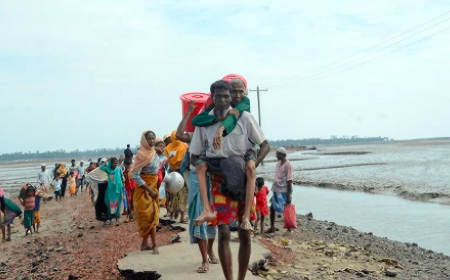
On a barren riverine island on the Indo-Bangladesh border, the noon sun offers no shelter. The land around the rice fields had been cleared of trees. In a video, I saw the harsh realities the farmers face daily.
A group was huddled within the narrow shadow of a work pickup truck eating a minimal meal. The food consisted of nothing but thick, hard rotis, forced down with heated green chili paste -- the only kind of sustenance their earnings could afford.
Seeing an image of a scene stripped of comfort was deeply disquieting and has stayed with me.
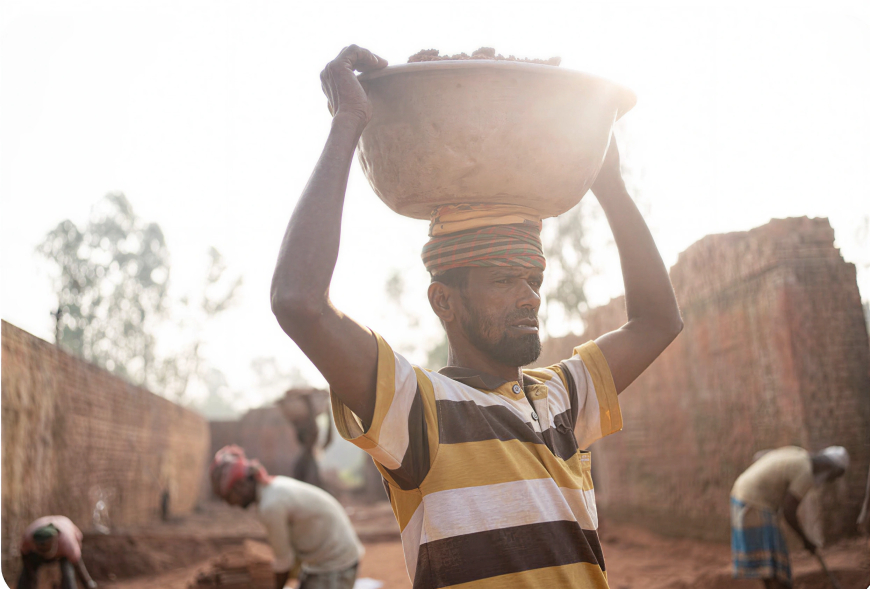
The romanticized image of farmers in the blinding heat, a worker in the monsoon, day laborers working on a construction site, the smile of a female worker with a bent back at the brick kiln are routinely used as symbols of resilience and endurance.
The bent spines under a hot sun are not supposed to be prose about where a system demands unyielding grit from people who should simply be allowed to live a peaceful life.
There is no beauty in forced backbreaking labor; it is a grueling fight for basic survival.
The media has a direct role in normalizing the suffering of the vulnerable. It often captures the city's labor force as an aesthetic appeal but the reality is often written in a rickshaw puller’s back soaked wet, his shirt clinging to the skin pulling another person in the suffocating heat.
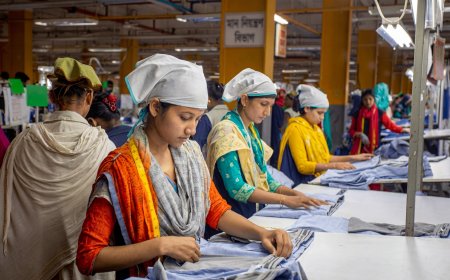
Similarly, a female worker's smile at a brick-crushing site where she labors for hours amid choking brick dust must not be romanticized as an expression of joy.
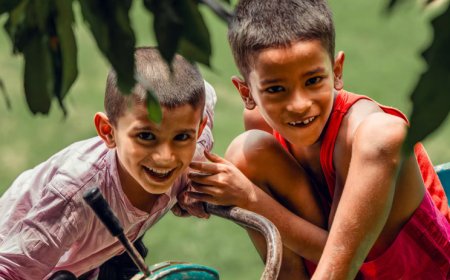
Beneath that smile lies an invisible, chronic condition damaging the lungs with microscopic sharp particles. To paint her reality into a beautiful lie is to ignore the literal degradation of her body for corporate profit.
Corporations and businesses write off human bodies as a cheap cost of doing business.
The system uses these laborers as guinea pigs, testing the absolute limits of human endurance without offering them zero protection.
Often we forget that this economic sentencing they have to endure because their land has been exploited and stripped of its natural resources. Working under heavy and suffocating heat cannot be a brilliant metaphor for endurance.
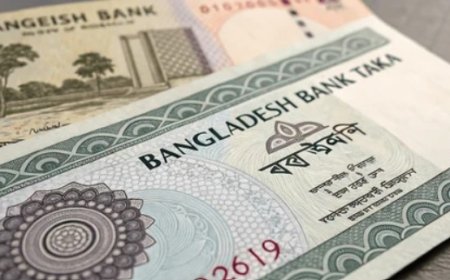
A day laborer’s struggle should not be poetic depictions either, as doing so can desensitize the public and policy makers when they are fighting for higher wages and basic dignity. These manual laborers typically make 300 to 450 taka per day.
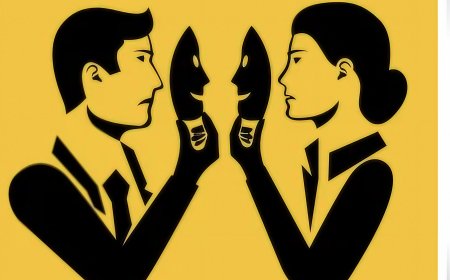
The videographers who usually come from upper-middle and middle class families are comfortable in their roles and transform the desperate struggle for survival into an ‘inspiring’ lesson with their camera lens.
They categorize such scenes under the heading of ‘human resilience’ and ‘beautiful endurance,’ neatly masking the brutal reality.
Resilience is not a beautiful virtue. It is used as a political shield to protect the powerful from liability and to hide the fact that the system is failing the marginalized people.
Using the term resilient in reference to them is a violation of systemic structural accountability, transforming forced survival into a false virtue.
By calling them resilient does them profound disservice. It is equivalent to a menu with limited choices handed over to survive the unlivable, to eat as little as possible.
Real hardships of the working class as an aesthetic background to generate views, strips away the dignity of the people being filmed or photographed.
Oftentimes these struggling people are not aware that their pictures will be distributed across multiple platforms. Their consent is bypassed entirely.
After such videos are made and uploaded, to a detached observer, the scene might have possessed a rustic, cinematic beauty because they are not dealing with reality.
The official narrative that is used is as such: Documenting the workers is used as their strength and work ethic so they are not viewed as helpless victims of a system.
Striking visual imagery often works better than hard data and dry statistics in drawing international attention to labor exploitation. Be that as it may, physical suffering, exhaustive manual labor, and severe hardships should not be painted as poetic and beautiful.
Behind the romanticized exterior lies a devastating physical reality. This forced heroism -- the heat trapped in the lungs, the spine compressed by heavy loads of bricks, the sleeplessness in a cramped city tenement or a small village hut are not subjects to be glorified.
These individuals are cornered into such a life. Endurance and resilience are not carefully orchestrated story lines for them to perform for us. This struggling group makes do with whatever shadow falls on them.
Focusing on the ‘beauty of sweat’ risks treating systemic poverty as a natural, dramatic backdrop rather than an economic injustice that needs fixing.
The border area farmers on riverine islands work in punishing environments. Their capacity to swallow hot chili paste and dry roti is not some spiritual gift ordained by some divine power.
They do it because they have no other choice and that is all they can afford.
As a result, no one has to change the established rules for those who are responsible for the oppression.
Glorifying bent backs ignore the long-term musculoskeletal damage the farmers, the stone breakers, and brick crushers suffer.
Moreover, aestheticizing manual labor can make primitive unsafe conditions look safe and acceptable. It is regularly done to reduce pressure on the owners to offer them the right tools to work effectively.
Showing raw physical intensity does not necessarily mean society acknowledges the true human cost behind the infrastructure and the buildings it uses daily.
The system celebrates their ability to endure suffering because it is a convenient escape route for a society who does not want to admit that the system engineered their suffering. That way they can stay morally absolved of any wrongdoing.
True justice is the opposite of dramatic heroism that the media and content creators crave. They exploit the poor, simplifying complex economic realities into a shallow sideshow.
The documentary filmmakers craft visual stories on human suffering to force societal change. But this idea that a film alone can bring change is an illusion.
Many work under the notion that awareness equals action. Without a strategic plan to convert empathy into action, movies and documentary films become just another form of exploitation.
It could be impactful if they could directly take such films to the policymakers.
Often content creators make videos on those trapped in extreme poverty to build their own reputation as empathetic story tellers.
In the process they show the vulnerable populations as props to evoke pity. They merely scratch the surface, doing little to expose exploitation or pressure the state for policy change.
The person holding the camera ignores the fact that these people have rights, voices, and stories that belong to them. In many instances they are not told beforehand that their images will be used to monetize for viral views and global marketing campaigns.
The farmers that I saw do not necessarily wish to be photographed in NGO-led magazines nor do they want to be portrayed as heroes. They deserve to be respected as equals, not just looked down on pity.
By dehumanizing the marginalized communities, the mainstream media, and the content creators of various social media platforms profit socially and financially.
The cruel irony is the subjects of these films rarely see their own conditions improve.
Presenting these vulnerable groups as strong and resilient does not lessen their suffering. This glorification of someone else’s pain is used as entertainment. That is exactly why the term ‘poverty porn’ was created.
The lives of our fellow beings and their woes and struggles are being romanticized in theatres, on social media, and glossing the pages of NGO brochures.
Those of us who look at such images from the comfort of our lives; we tend to minimize their suffering.
The romanticized notion that people can be happy with nothing is a cruel myth that dismisses the hard realities of poverty and deprivation.
Sometimes vulnerable groups are brainwashed into believing that it is for their own good that they should consent to filming.
They agree to be filmed out of a genuine desire to be seen, trusting that exposing their hardships will force society to care by raising funds for their education and to set up basic services.
On a human level, labor rights should never compromise basic human dignity, mental health, physical safety, and financial autonomy. When such fundamental components are compromised it strips them of a decent human life.
A human being needs downtime to remain psychologically whole. Someone’s right to rest and having a meal in the dignity of a makeshift shade does not cost a fortune.
Asking to set up government funded clinics that heal the suffering body without bankrupting the families is a fundamental human right.
These services should be available for those who grow food to feed us, build foundations for houses that we live in. Tragically, once the work is complete, they are treated as nothing more than disposable scrap parts.
The working class is rarely allowed to tell their stories. Instead they are used as props for some commercial and ideological purposes.
They must not be reduced to comedy ensembles, nor their existence flattened into monolithic caricatures of poverty.
They are everyday working people who simply want a world that allows them to be human.
Zeenat Khan is a regular contributor to South Asia based journals and literary magazines.