




























































Dhaka Still Walks on the Streets That Empire Left Behind
They Packed Their Bags in 1947. But Their Names Are Still Embedded in Dhaka's Oldest Roads.

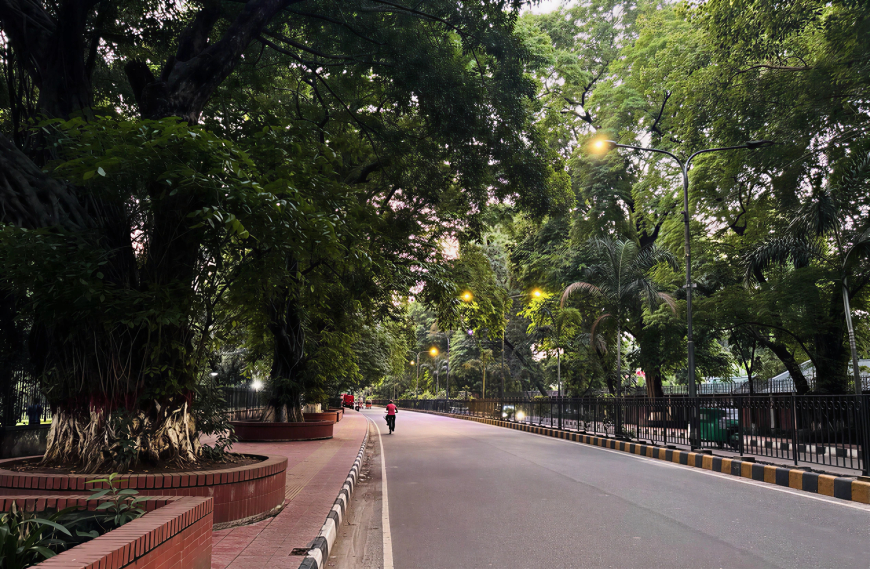
Walking along the quiet, tree-lined stretch of Hare Road in the early morning, the kind of morning when Dhaka briefly forgets that it is one of the most congested cities in the world.
The state guest houses sit behind high spike walls. The Chief Justice's residence stands behind the iron gates. And on the one side, Ramna Park breathes green.
The road is quiet and empty, but then its name knocks you: It doesn't sound familiar. Because Hare Road is named after a British civil servant, Sir Lancelot Hare, who served as Lieutenant Governor of Eastern Bengal and Assam over a century ago.
He has been gone since 1911, but his name has not yet moved an inch from the streets of Dhaka. This is not a small irony.
It is a quiet, persistent reality about Dhaka -- a city that fought one of the bloodiest liberation wars of the 20th century and won independence in 1971.
But it continues to walk in the streets by the name of the men who once ruled it. The British departed Bengal in 1947. In certain corners of Dhaka's map, they never really left.
Three Governors, Three Roads
The story begins with a partition. In 1905, Lord Curzon, Viceroy of India and one of the Raj's most ambitious administrators, divided Bengal and elevated Dhaka to the capital of the newly formed province of Eastern Bengal and Assam.
Overnight, a city that had been in steady decline since the collapse of the Mughal empire found a provincial capital for itself again. Colonial money poured in.
Today's Ramna Park (once Mughal gardens) was cleared and redesigned. Roads were built. Bungalows for civil servants rose from what had been scrubland. Three men held the position of Lieutenant Governor of this new province.
Each served briefly. Each left his name on a road that Dhaka still uses every day. Sir Bampfylde Fuller (1905–1906) was the first, and the most controversial and bad-tempered, administrator who resigned in anger after less than a year.
Apparently, he was not happy that the Government of India would not back his reprisals against student agitators in Sirajganj. His tenure barely lasted twelve months. Yet Fuller Road is still cutting through the heart of the University of Dhaka campus.
It was officially renamed Sir Syed Ahmed Road by the Dhaka Municipality in 1967. But the name Fuller Road was so popular that nobody calls it by its new name.
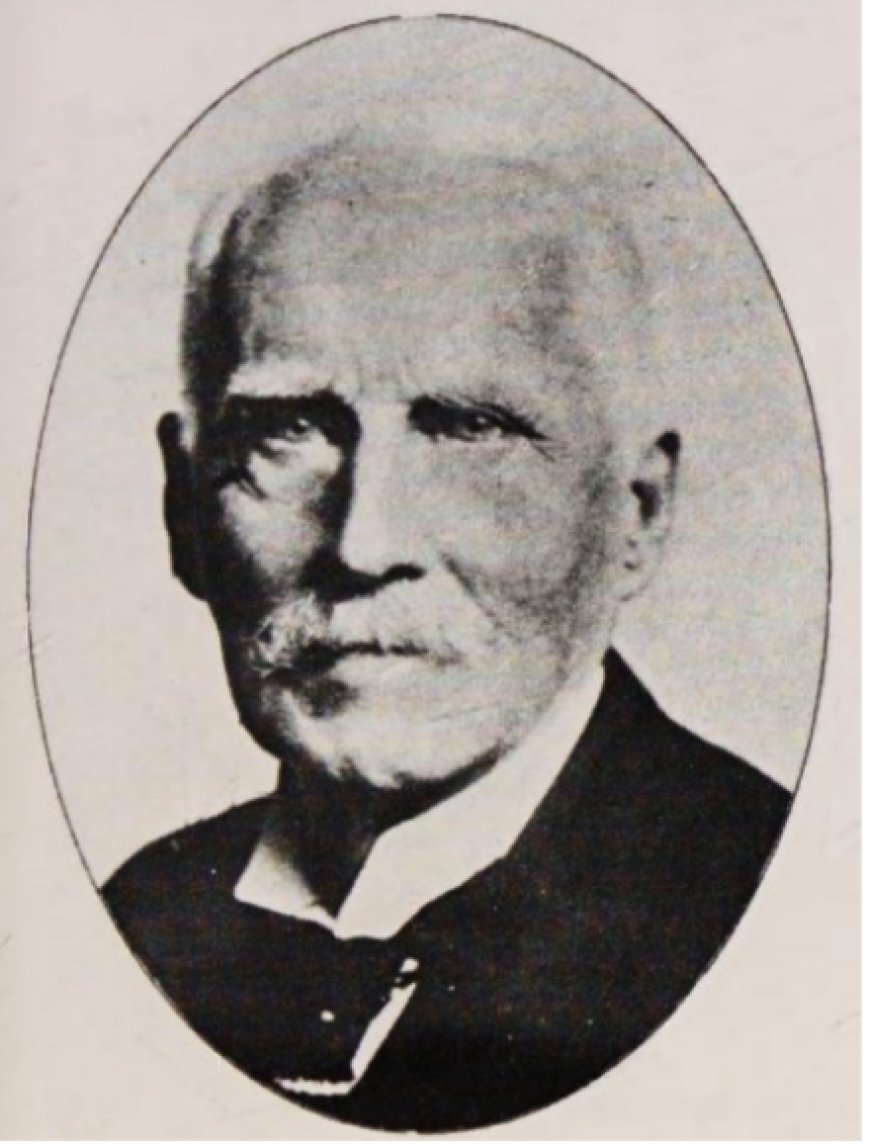
Bampfylde Fuller, Photo: Wikipedia
Sir Lancelot Hare (1906-1911) succeeded Fuller and served the province until the partition was repealed.
Hare Road, now one of Dhaka's most secure and serene corridors, is also the home to the Chief Justice's residence and official state guest house, Jamuna.
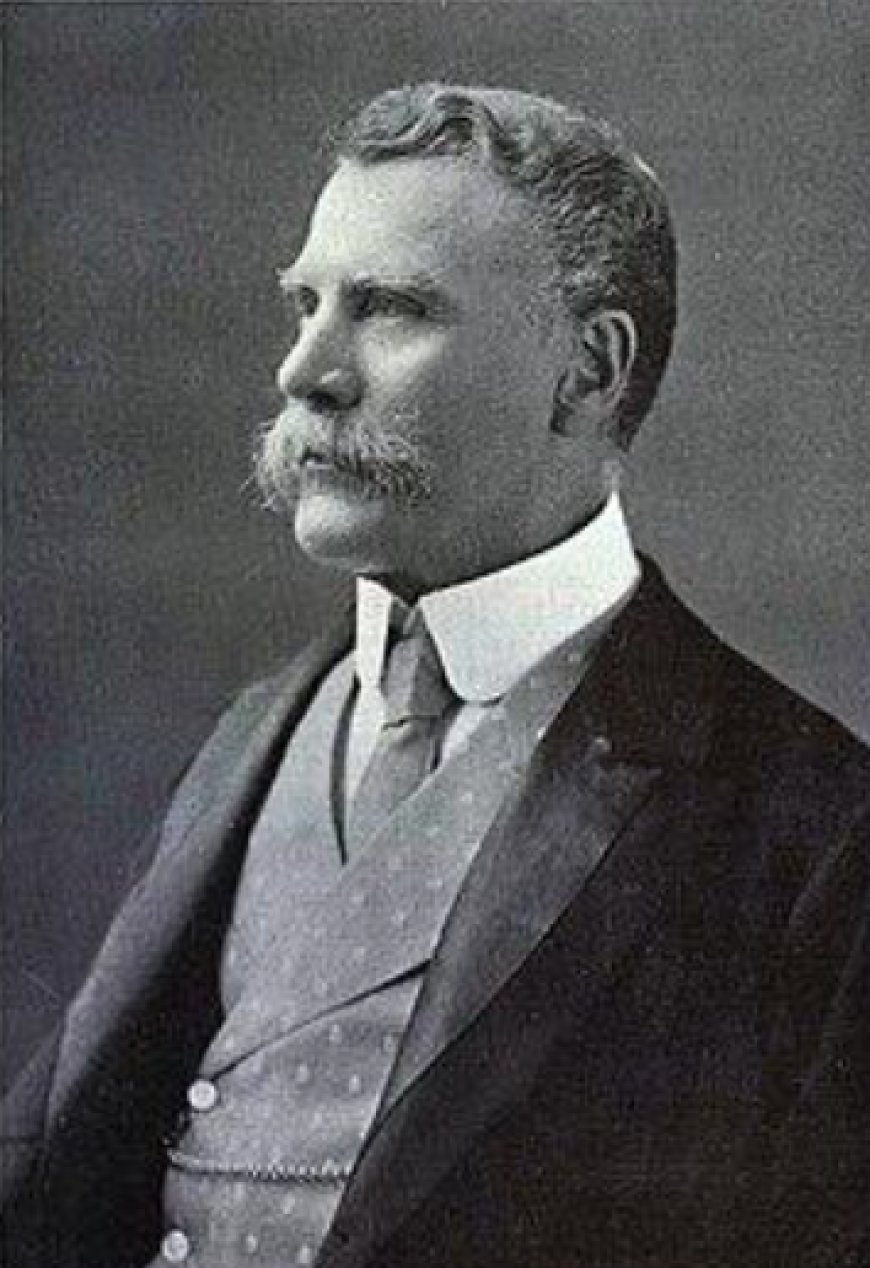
Sir Lancelot Hare, Photo: Wikipedia
Sir Steuart Colvin Bayley (1911-1912), who served the shortest tenure of all, oversaw the dissolution of the Bengal province.
Bailey Road -- history does not relate why the spelling is at it is -- has since transformed from a road of colonial bungalows for senior civil servants into one of Dhaka's most vibrant cultural and dining corridors.
It was officially renamed Natok Sarani (Theatre Street) in 2005, but most people still call it Bailey Road.
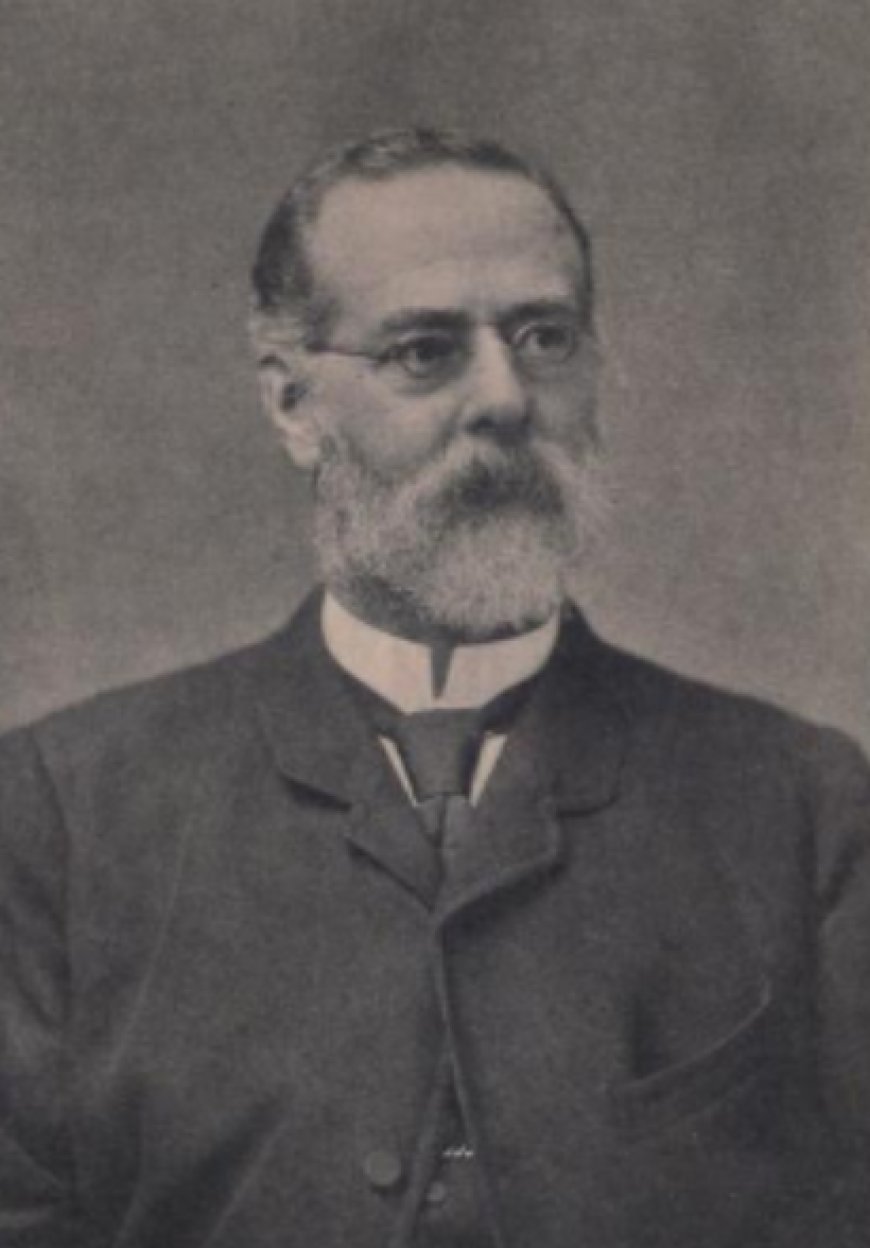
Steuart Bayley, Photo: Wikipedia
If we look carefully at the legacy of these three Lieutenant Governors, it is still living on in the names of three major streets in modern Dhaka: Three men, three roads, and one unmoved colonial inheritance.
Beyond the Big Three
Fuller, Hare, and Bailey are the most documented, but they are far from alone. Minto Road -- now famously known as Mantripara (ministers' area), home to the official residences of cabinet members and reportedly one of the most secure streets in the capital.
But this road is also named after Lord Minto, Viceroy of India from 1905 to 1910. The irony of Bangladesh's sitting ministers living on a road named after a Viceroy of British India is rarely remarked upon.
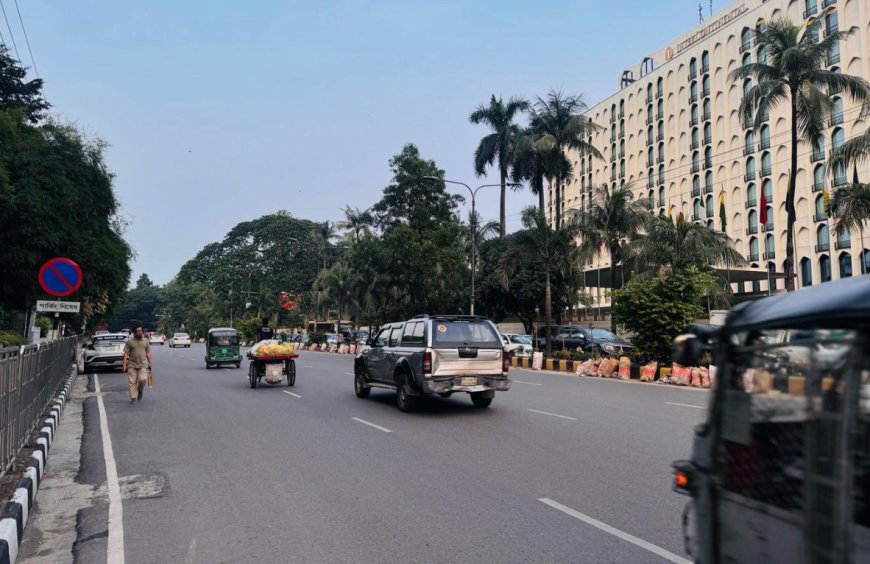
17 May 2026 Minto Road, Photo by Saif Radoun
In Old Dhaka, Johnson Road winds through one of the oldest, most densely populated quarters of the city, its name a remnant of British administrative record-keeping that was never updated.
Strand Road, running along the Buriganga riverfront, borrows a classically British riverside designation used from London's own Thames Embankment to Rangoon and Calcutta -- the same cartographic vocabulary applied across an entire empire.
Then there is Topkhana Road -- topkhana meaning an artillery depot -- a road whose name carries the dual imprints of Mughal military organisation and British administrative continuity. Purana Paltan and Naya Paltan are areas situated at the heart of Dhaka.
But this name was also taken from paltan, a Bengalified version of the English word "platoon." The British military barracks once stationed here have long since gone.
The name of the formation remained, absorbed quietly into the Bengali soundscape. And while Curzon Hall is a building rather than a road, no account of colonial legacy in Dhaka is complete without it.
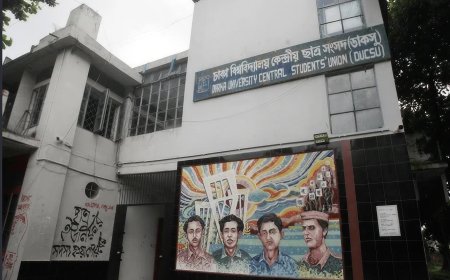
Curzon Hall is a magnificent red-brick structure built at the direct instruction of Lord Curzon, the same man who partitioned Bengal. Curzon Hall is now home to the Faculty of Sciences at the University of Dhaka.
The Raj's most consequential Viceroy in Bengal sits, architecturally, at the centre of Bangladesh's most celebrated public university.
Why Are These Names Still There?
This is the question that rarely gets asked out loud. Bangladesh is not short of heroes, martyrs, or historical figures deserving of commemoration.
Such as the heroes of the Language Movement of 1952, the Liberation War of 1971, and centuries of poets, scholars, and reformers -- the list of men and women whose names could grace a road is very long and distinguished.
And yet Lancelot Hare and Steuart Colvin Bayley endure on the street signboards. Part of the answer is simply administrative inertia. Renaming a road means updating land records, postal addresses, legal documents, and the deeply embedded mental maps of millions of residents.
It is costly, logistically burdensome, and politically unglamorous. No Member of Parliament wins the election for renaming a road. Part of the answer is the nature of independence itself.
In 1947, the transfer of power from British to Pakistani administration was not accompanied by any systematic decolonisation of public space.
The civil servants who inherited colonial bungalows on Minto Road and Bailey Road had little incentive to rename the streets they now lived on.
Post-1971, Bangladesh's energies were directed at economic survival, nation-building, and political consolidation, but not cartographic auditing. But the deeper answer may be more uncomfortable.
The class of people who most frequently use these roads -- politicians, civil servants, judges, academics at Dhaka University are also, broadly, the inheritors of the colonial institutional order.
The Officers' Club on Bailey Road was built on land provided by the colonial Public Works Department, and its membership to this day is restricted to gazetted government officers.
The building changed hands. The logic of exclusivity did not. When the people best positioned to rename a road are also the people most comfortable living with its colonial name, the signboards tend to stay.
Compare this with India's more high-profile renaming -- Bombay became Mumbai, Calcutta became Kolkata, Madras became Chennai -- and with the wave of road renaming in many post-colonial African cities.
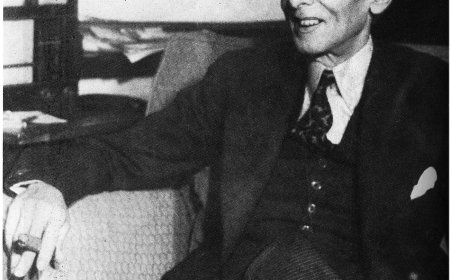
Bangladesh has undertaken some renamings: The Ramna Racecourse became Suhrawardy Udyan; Victoria Park in Old Dhaka was renamed Bahadur Shah Park after the last Mughal Emperor; Jinnah Avenue became Bangabandhu Avenue.
These were politically charged renamings, driven by specific historical moments. What never followed was any sustained, systematic effort to audit the smaller names -- the roads, the lanes, the streets -- where the colonial grammar of the city quietly persists.
What a Name Carries
A road name is not merely an address. It is a form of civic memory, and a public decision about who this city chooses to remember and who it honours, simply by insisting that every letter, every delivery, every commute passes through that person's name.
Bampfylde Fuller resigned from his post in anger after less than a year in Bengal. Yet a road near one of Bangladesh's most celebrated educational institutions still bears his name.
Every student who walks through it, whether they know it or not, is walking through the colonial legacy. None of this is to suggest that these roads should be erased or replaced by a new signboard.
There is genuine value in preserving the historical record, including its uncomfortable parts. Renaming without understanding is its own form of forgetting.
But Dhaka deserves a civic conversation it has not yet fully had -- about which names it carries, why it carries them, and what it might mean to make more deliberate choices about who occupies its streets. The British packed their bags in 1947.
In the map of this city, they are still, quietly, at their old addresses.
Saif Radoun All Nahayan is an independent writer and academic based at Independent University, Bangladesh