






































































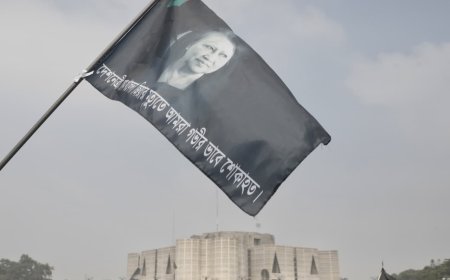
Her entry into politics in the early 1980s was a response to national crisis, not personal ambition. She became more than a political leader. She became a symbol -- of democratic resilience, of refusal to capitulate, and of the belief that political legitimacy must come from the people, not from force.
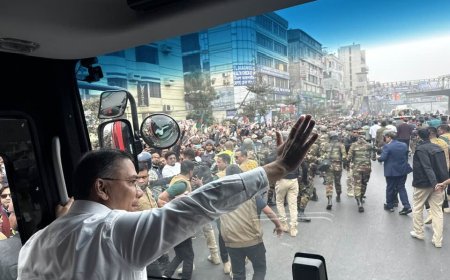
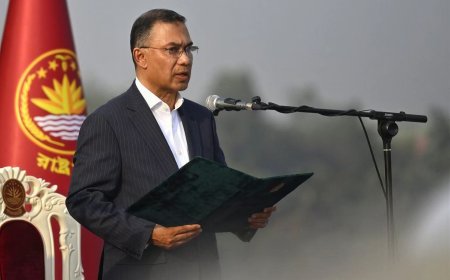
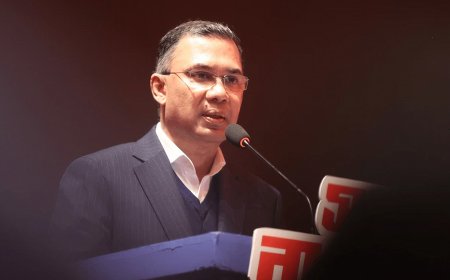
Tarique Rahman’s return is undeniably historic. But history alone does not guarantee success. The comparison with 1972 is not about personalities -- it is about the structural burden placed on returning leaders in moments of national uncertainty.

True judicial independence cannot rest on the discretion of one office, no matter how elevated.

The India-Bangladesh Extradition Treaty allows either country to request extradition with an arrest warrant and a conviction. Procedurally, Bangladesh meets the threshold: Hasina has been convicted and sentenced. On paper, this gives Dhaka a strong case. But extradition is never just about procedure. It hinges on interpretation -- and political will.