


































































A Portrait in Courage
We are glad that she breathed her last a free woman, surrounded by her loved ones, and that she lived to see the end of the despotism that blighted the last years of her life.

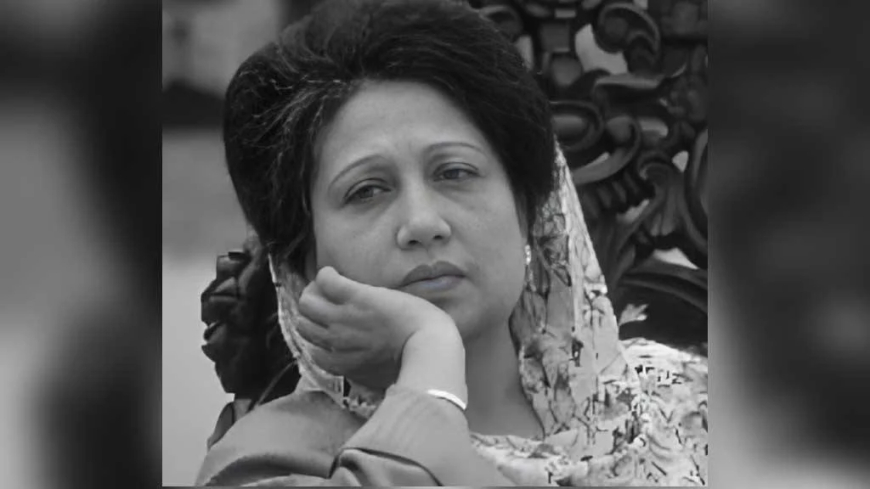
The death of Begum Khaleda Zia, Bangladesh’s first female prime minister, feels like the end of an era.
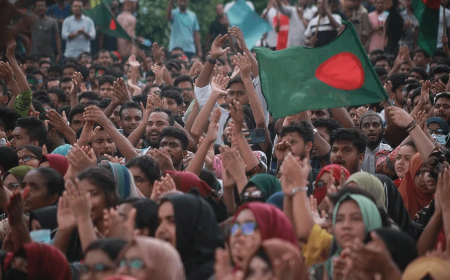
With her great rival and antagonist Sheikh Hasina now out of the country and convicted of crimes against humanity in connection with the July Uprising, it feels like we are turning a new page in Bangladesh’s political history.
Amidst all the encomiums and hagiographies that have been published since her death, let us start by acknowledging that Begum Zia was not perfect and that her time in office contributed to many of the ills that continue to afflict Bangladesh.
It was she who formed RAB and it was under her watch that extra-judicial killings became a routine occurrence in the country. It is true that they existed before she came to power and got worse after she left, but she cannot escape responsibility for her contribution to this darkening of the political firmament.
There are many other blemishes on her time in office, from the targeting of Ahmadiyyas and a diminution in the security of minorities to the killings of political opponents, in which, while she may not have been directly complicit, as prime minister, she needs to take responsibility for.
However, while no politician can be entirely free from recrimination and especially no politician who has not once but twice sat at the pinnacle of power, when we weigh up Begum Zia’s political career it is evident that must be counted as a force for good in our political history and that posterity will be kind to her.
Here, we would like to focus on three elements of her leadership that we feel are especially worthy of remark.
The first was her courage and steadfastness, demonstrated countless times when she faced adversity in opposition, first in the 1980s, then during 1/11, and finally again throughout the last 15 years of Awami League rule when she faced the worst kind of ill treatment and indignity.
Such adversity would have broken a lesser woman a hundred times, but she neither broke nor bent. I often wondered as I drove past her house in the last few years when things looked so bleak for her, how she found the strength to keep going, but the answer is in the person she was.
Her second great quality was in her willingness to surround herself with able people and to listen to their counsel. In a country such as ours, where power almost invariably leads to megalomania and despotism, this is no small accolade, and all future leaders would do well to follow her example.
She was the only truly consultative leader we have had in our history and her style and manner of governance should be the template for how Bangladesh is governed, moving forward.
Finally, we would like to take this opportunity to highlight the dignity with which she comported herself in office and out, and the political culture that she tried to impart as a consequence. Politics in Bangladesh is too filled with vitriol and bile, personal attacks and petty vindictiveness – if we ever wish to advance as a nation, we need to rediscover the politics of decency and dignity, of calm and composure – and that, more than anything else, is the example set by Begum Zia and the legacy that she leaves us with that we should be grateful for.
There are politicians who debase our political culture, and there are those who enrich it. Begum Zia was emphatically of the latter category. Bangladesh is better off for her leadership and for her life, and we should be appreciative of all she did for the nation and all she leaves behind for us.
We are glad that she breathed her last a free woman, surrounded by her loved ones, and that she lived to see the end of the despotism that blighted the last years of her life.
That is the answer to the question I would ask myself as to how she survived such persecution: she survived through sheer force of character and courage, she survived because she was a survivor and determined to live long enough to see the world change again for the better and to go out on her own terms.
That is true courage. True strength.
May she rest in peace. She has earned it.