





























































One institution will carry three kinds of weight at once: The grief of a country that has buried its young; the fragile hope that it can still build rules stronger than instinct; and the scrutiny of a world deciding what kind of Bangladesh it must now learn to live with.

This government came to power with a democratic mandate. But it risks squandering it. City administrations must look neutral. International crimes prosecutions must feel independent. And the central bank must signal credibility beyond politics.

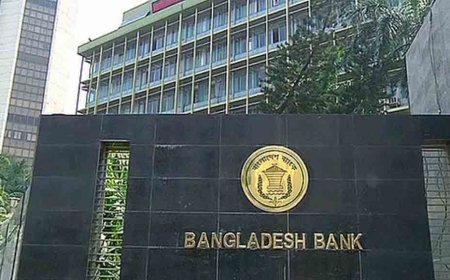
When it comes to the central bank governor, optics are everything. If he is perceived to be the government's man, then no one will have the necessary faith in him, and he will fail before he even starts.

You cannot have a stable nation where the youth are unemployed and the factories are silent. Stability built on silence is an illusion.
If the BNP's goal had been to signal to the Bangladeshi people that everything their adversaries say about them is true, that nothing has changed from the time they were last in office 20 years ago, that they remain exactly the same party of cronyism, corruption, and contempt for public opinion, they could not have done a better job.
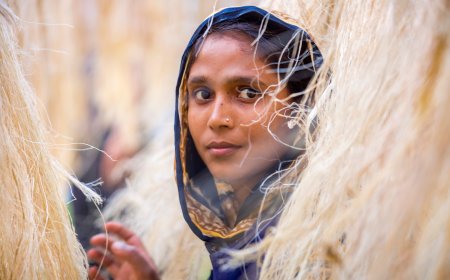
The immediate challenge before Prime Minister Tarique Rahman is to slow down the gyration of the turning wheel and to set us on a straight path. To assess such possibilities we need to clearly understand the political lessons from the recent elections and to explore the pitfalls which lie ahead.

Keeping interest rates artificially low is a recipe for disaster. We have been here before -- not even too long ago -- and we know how this story ends. It won't be pleasant for anyone, least of all the newly-elected government.

The central question is no longer whether knowledge matters. It is who governs its movement, who benefits from its creation, and whether emerging economies will remain sites of extraction in a global knowledge marketplace or become sovereign producers within it.
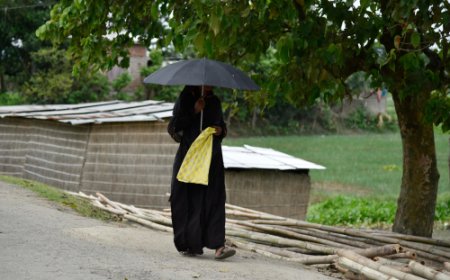
Jamaat’s political ecosystem has long been associated, at least in public discourse, with moral policing and deeply conservative positions on women’s roles. It would represent a significant social shift if large numbers of women, especially younger ones who have faced online and offline harassment from JIB affiliated groups, were now turning toward the party.

Remittance inflows are not merely a function of diaspora goodwill or seasonal rituals; they are the mirror image of confidence in the domestic market’s fairness and functionality.

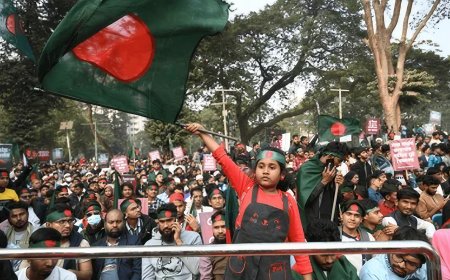
A two-thirds parliamentary majority means nothing if the streets of Dhaka turn against you, as Sheikh Hasina learned. If Tarique governs with the same composure and restraint he has shown since his return, there is reason for hope. If he does not, the verdict of the streets will be swift.

Who is the Facebook or Instagram of this era? Which AI platforms are being deployed into children’s bedrooms, classrooms and social lives without full transparency about internal research? Which companies are already measuring how certain prompts, filters or recommendation engines affect adolescent self-image, loneliness, or compulsive use?

If Bangladesh treats artificial intelligence simply as another digital tool, it risks falling behind in a world where advantage increasingly rests on capability and commodified intelligence rather than labour alone.
Calling it fascism narrows our field of vision. It directs us toward interwar Europe -- uniforms, total mobilization, ideological conquest -- when our own trajectory resembles something different.

In the final analysis, a truly elected government is powerful not because it controls the state machinery, but because it commands the consent of the governed. That consent, however, is not permanent; it must be earned every day through performance, integrity, and humility.

We want to live in a country where the jails are not filled with innocent men and women. This is a basic measure of the probity of any government. This is the rule of law. If there is one thing that the government can deliver for the Bangladeshi people it is this.