






















































Our future cannot be entrusted to outrage merchants on YouTube. It must rest with leaders and citizens who understand that justice is built through patience, responsibility, and steady labor, not performed for clicks and applause.
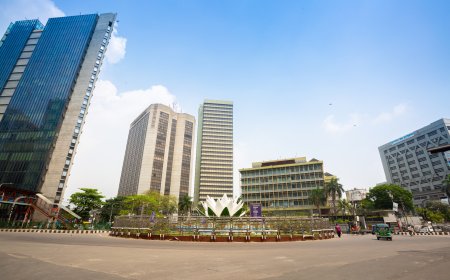
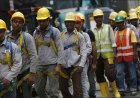
Ashfaq Chowdhury Piplu’s death is a question thrown at our feet by the city we are building. The falling rod asks: What do you value more? The abstract future value of a building, or the concrete, present life of a person walking?

Jamaat has emerged as one of the two main parties in the current dispensation. Its student wing has won student council elections in five universities. Its online activists dominate the cyberspace. It has consistently polled sufficiently well to emerge as the main opposition in the next parliament if not outright win the election.
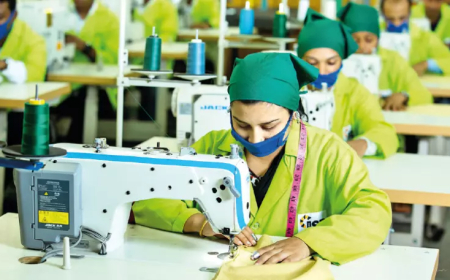
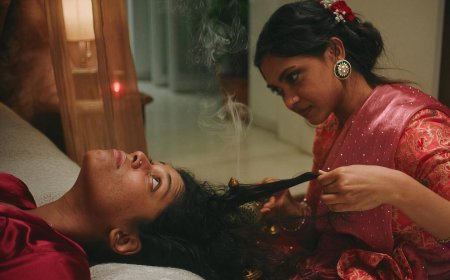
In the hands of Jamaat-e-Islami, a five-hour workday is not welfare. It is soft patriarchy, cloaked in empathy. Bangladesh should not repeat the mistakes of others when better models are already visible.

The notion that Jamaat-e-Islami is on the cusp of ruling Bangladesh tells us less about Bangladesh’s politics and more about the fantasies and anxieties of those observing it from insulated rooms.
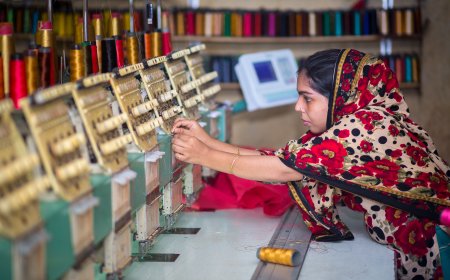
Bangladesh’s working mothers deserve a serious conversation about policies that ease their load and secure their economic future. They deserve thoughtful engagement, not reflexive dismissal. For once, let us debate the policy instead of demonizing the policymaker.

The path forward begins by refusing to accept the silent exclusion as normal. It requires naming the disagreement for what it is: an attack on the pluralistic foundation of the state.
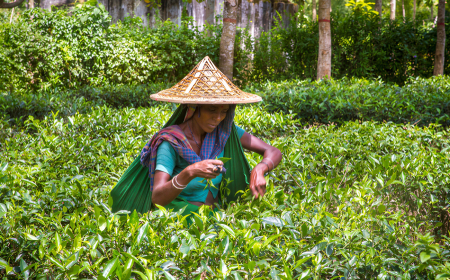
Tea workers exist and spend their entire lives on lands that they do not and will not own, unable to build assets or escape the plantation system.
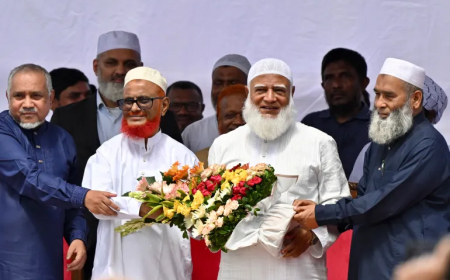
To understand whether an individual is honest, we need to know whether that person is committed to alternation of power, whether he understands the value of inclusivity and dissent, whether he knows that people with different ideas live within the same society, and whether he is willing to let them survive, grow, and challenge him.
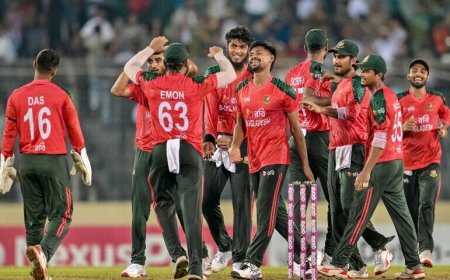
Our cricketers will suffer the most over this difficult period which is why they must receive full sympathy and financial support. If this means that we forfeit participation in the 2026 World Cup (as has now transpired) so be it. There will be another opportunity in 2 years.
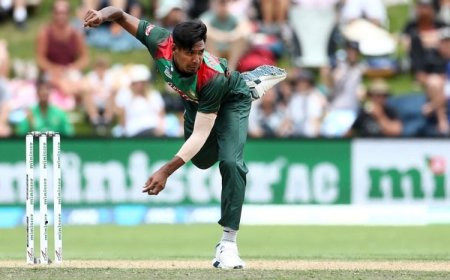
The question isn't whether Bangladesh made the tactically perfect decision. The question is whether middle powers everywhere -- in cricket, in trade, in international relations -- are ready to stop performing compliance and start building alternatives. That's what sovereignty looks like when the old order collapses and the new one hasn't been built yet.

The economy is busier, but not necessarily more capable. After presenting eight charts, they tell basically one story. On the economic front, Bangladesh’s achievements are real. But the transformation is still incomplete.

Televised debates won't solve every problem with Bangladesh's political discourse. They won't eliminate partisanship or guarantee honesty. But they offer something increasingly rare: a structured opportunity for truth-testing, where claims meet challenges and voters can judge for themselves.

Where does the Awami League stand today, 18 months after the July Uprising, and is there any way back for the party post-February 12?

Why “Bangladesh First” Is Coherent Politics and “We Are the People” Is a Theological Trap for Jamaat. The first is a moral ordering principle which prioritizes responsibility. The second is a sovereignty claim and defines power.

In complete idiocy, that nation, while it prepares to scan the citizens’ history and moral character, in order to judge their citizens eligibility criterion, they forgot that the digital space has records of all they once were, all they currently are and all that they will become in the near future