



























































One of the core reasons behind Bangladesh’s political malaise is blind partisan loyalty. The tendency to select candidates based on party identity, factional allegiance, religion, or gender -- rather than competence -- has repeatedly rendered parliament ineffective. The entire nation has paid the price.

Opponents of the referendum write as though rejecting this package will clear the way for a more measured, item by item process of constitutional improvement. But nothing in Bangladesh’s recent history suggests that such a sequence will materialize on its own.

Jamaat can only win if this is a wave election, signaling a tectonic shift in the national mood. There is little evidence of this in the polls and available data. It is possible, but not probable.
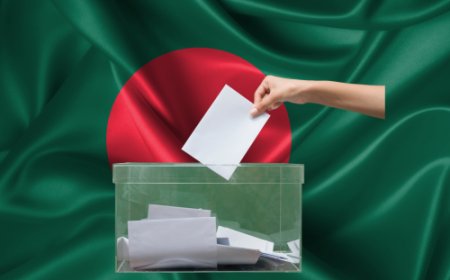
The question is not whether this election will solve all of Bangladesh’s problems, it will not. The real question is whether it can reopen a democratic pathway that has long been blocked.

Bangladesh’s citizens face a crucial choice: Will they allow the state to bypass constitutional limits, pressure institutions, and control the vote, or will they insist that the Constitution not the government remains the ultimate authority?
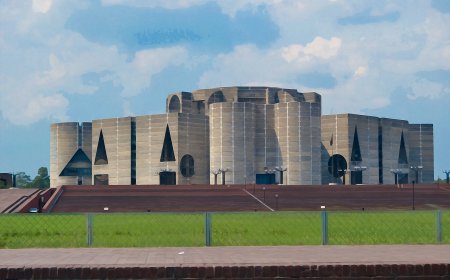
While turnout may not reach historic highs, it is nonetheless expected that up to 70% of voters will participate. Yet, as election day draws near, a palpable sense of anxiety and security concern has settled over the public.

Bangladesh has tremendous potential to grow both economically and institutionally but the growth depends on the trust that people and investors place in its institutions, and that trust is nurtured through elections that are fair, transparent, and conducted with integrity.

The US has accidentally left a vacuum that Europe has been taking advantage of to establish itself as a geopolitical power. Europe does not have to remain hooked to the shackles of the dependency that was the Cold War, but now, it can move in its own direction and make new alliances and address what concerns it.

The wording in the referendum question, set out in the four separate categories of reforms, only clearly match with 20 of the 47 numbered proposals set out in the July Charter

Trolling is hit-or-miss politics. It is unstable, often unserious, and frequently destructive to governance. But when it works, its impact is asymmetrical -- geometric, even gigantic-- compared to traditional campaigning.
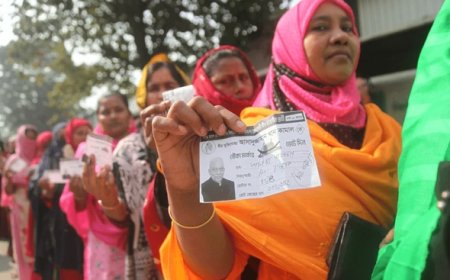
The greater challenge lies not in predicting who will dominate a flawed structure, but in recognizing how much uncertainty -- political, institutional, and informational -- has been baked into its foundations and may reflect in the vote itself.
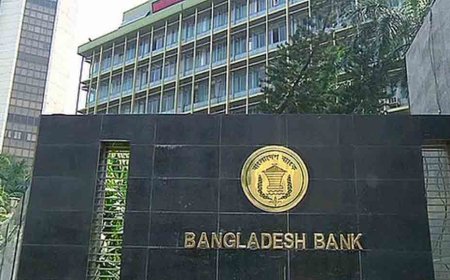
An independent central bank could have prevented bank fraud and inflation. There is no alternative unless we want to return to the bad old days of high inflation and a plummeting Taka.

As Bangladesh prepares for the long-awaited national election, it is important to remember that strengthening democracy and building peace on the foundation of collective amnesia will be a disaster for our nation.
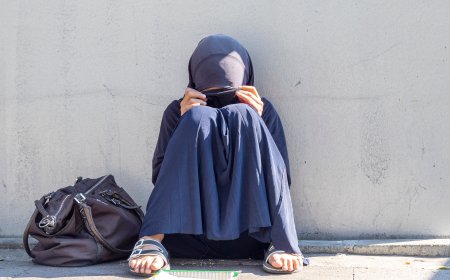
Under the Prophet’s leadership women’s contribution was embedded in the building blocks of the new Islamic era of Madinah al Munawwara.
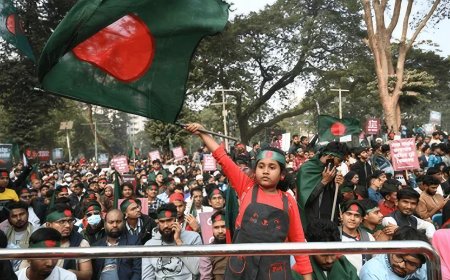
As Bangladesh enters into its first real general election since 2008, we will finally be given a snapshot of where the country stands electorally. Have the polls and the pundits called it correctly, or are we in for a February surprise? Only Election Day will tell.

Success depends on three commitments that cannot be deferred: Speed. Visible, funded action in year one. Not plans for action. Action. Resources. Specific, budgeted commitments, not proposals